20 Unlicensed Crypto Exchanges Blocked in Philippines: What Happened and What It Means for Users
 Dec, 14 2025
Philippine Crypto Exchange Verification Tool
Verify Exchange License Status
Check if a cryptocurrency exchange is currently licensed by the Philippine Securities and Exchange Commission (SEC).
Licensed Exchanges
These exchanges are currently licensed by the Philippine SEC:
- Coins.ph
- PDAX
- Bitpanda Philippines
Philippines Blocks 20 Unlicensed Crypto Exchanges in Major Regulatory Move
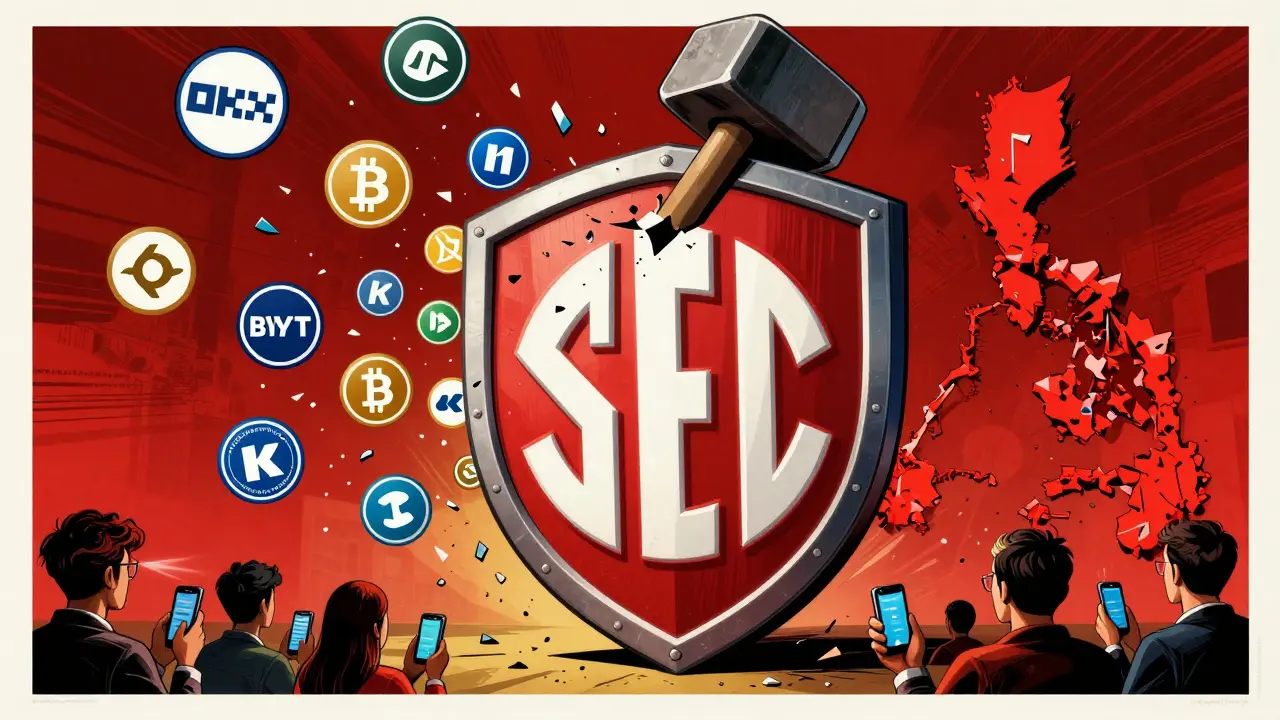
In August 2025, the Philippine Securities and Exchange Commission (SEC) took decisive action against 20 cryptocurrency exchanges operating without authorization in the country. This wasn’t just a warning - it was a full shutdown. Internet service providers, led by PLDT and Smart Communications, blocked access to these platforms, making them unreachable for millions of Filipino users. The list included major global names like OKX, Bybit, KuCoin, Kraken, Mexc, Bitget, and Poloniex. These weren’t small operators. They were platforms with millions of users worldwide. But in the Philippines, operating without a license now carries real consequences.
Why Did the SEC Act?
The SEC didn’t act on a whim. It was enforcing two new rules that took effect on July 5, 2025: Memorandum Circular No. 4 and No. 5. These weren’t vague guidelines. They were hard requirements. Any company offering crypto services - trading, staking, lending - to Filipinos had to register with the SEC. They needed at least PHP100 million (about $1.76 million) in capital. They had to set up a legal office inside the Philippines. And they had to keep customer money completely separate from their own funds.
Why? Because people lost money. When exchanges like FTX collapsed in 2022, customers couldn’t get their assets back because the company had mixed their money with its own. The Philippines wanted to make sure that never happened again. The SEC’s message was clear: if you want to serve Filipino investors, you play by our rules. No exceptions.
The 20 Blocked Platforms
The SEC named 20 exchanges as non-compliant. These weren’t random picks. They were the most popular platforms used by Filipinos. The list includes:
- OKX
- Bybit
- KuCoin
- Kraken
- Mexc
- Bitget
- Phemex
- CoinEx
- BitMart
- Poloniex
- Binance (already blocked in 2024)
- Huobi
- Gate.io
- Bitfinex
- Upbit
- Bitstamp
- AscendEX
- Zigzag
- Bitrue
These platforms are still accessible elsewhere. But for anyone using PLDT, Globe, or Smart in the Philippines, they’re gone. The National Telecommunications Commission ordered ISPs to block them, and the companies complied. No court order needed. Just a regulatory directive - and the tech to enforce it.
How the Block Worked
It wasn’t complicated. The SEC gave the list to the National Telecommunications Commission. The NTC told ISPs to stop routing traffic to those websites. PLDT, the country’s largest telecom provider, confirmed it blocked over 100 billion access attempts to malicious domains in the months leading up to the crackdown. That’s not just crypto - it’s fraud, scams, phishing. But the crypto block was the biggest single action they’d ever taken.
Users trying to access these sites now see connection errors. No error page. No warning. Just a blank screen. Some users turned to VPNs to bypass the block. But the SEC warned that using VPNs to access unlicensed platforms could still make users liable if they’re involved in tax evasion or money laundering. The government isn’t just blocking websites - it’s trying to change behavior.
New Crypto Taxes and Rules
The crackdown wasn’t just about licensing. It was part of a broader overhaul of how crypto is treated in the Philippines. Starting July 2025:
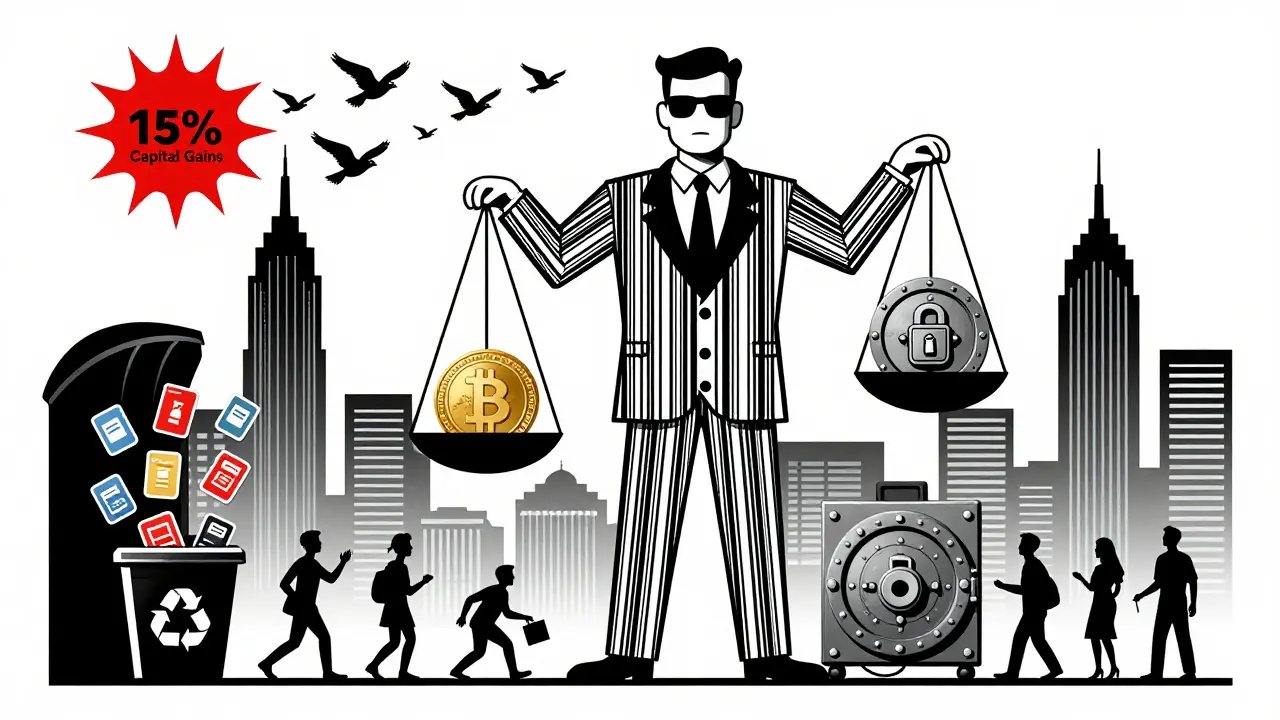
- Capital gains from selling crypto for pesos or goods are taxed at 15%
- Income from mining, staking, or receiving crypto as payment is taxed as regular income
- Buying goods with crypto triggers 12% VAT - just like paying with cash
- Anyone promoting crypto platforms must be a registered business with SEC approval
- Content creators who recommend specific exchanges must clearly state if they’re being paid to do so
These rules hit hard. Many Filipinos used crypto to avoid traditional banking fees or send remittances. Now, every trade has tax consequences. That’s changed how people trade. Some moved to peer-to-peer platforms. Others stopped trading altogether.
What This Means for Filipino Investors
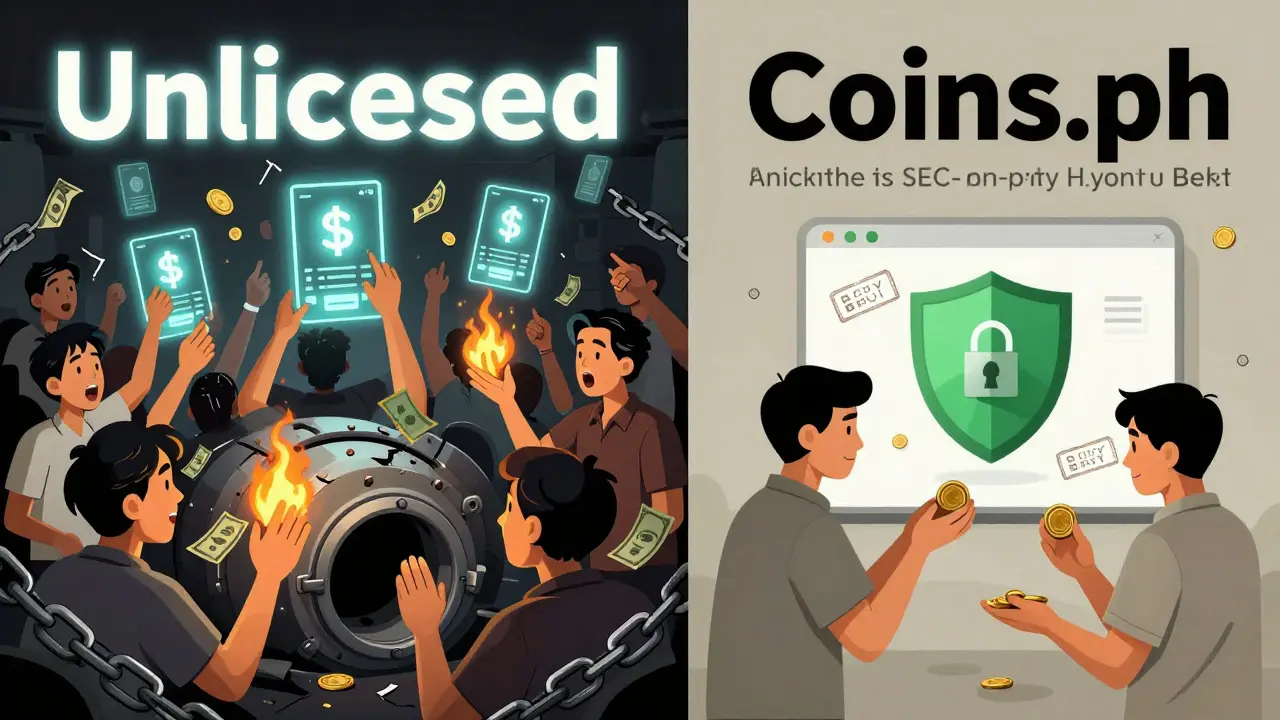
For users, the message is simple: use only licensed platforms. The SEC has approved a handful of local exchanges that meet the new standards. These include Coins.ph, PDAX, and Bitpanda Philippines. They’re smaller. They don’t have the liquidity of OKX or Bybit. But they’re legal. And your money is protected.
Investors who kept funds on the blocked platforms faced real losses. Some couldn’t withdraw before the shutdown. Others found their accounts frozen. The SEC made it clear: if you used an unlicensed exchange, you’re on your own. There’s no government bailout. No refund. That’s the price of ignoring the rules.
Regional Trends and Global Context
The Philippines isn’t alone. Thailand blocked five major exchanges in May 2025, including Bybit and OKX. Indonesia raised taxes on offshore crypto trades from 0.2% to 1%. Singapore tightened licensing rules. Even in the U.S., regulators are cracking down on unregistered platforms.
What’s different in the Philippines is the speed and coordination. The SEC, NTC, and ISPs acted together. There was no public debate. No delays. Just a list, a block, and a warning. It’s a model other countries are watching - especially in Southeast Asia, where crypto adoption is high but regulation is still catching up.
Can You Still Trade Crypto in the Philippines?
Yes - but only through licensed platforms. The market has shrunk. Trading volumes dropped by nearly 40% in the two months after the crackdown. But the ones left are safer. Coins.ph, for example, now holds customer funds in segregated bank accounts. It files daily reports with the SEC. It’s audited by local firms.
Peer-to-peer trading still exists. People use Telegram groups, Facebook marketplaces, and local cash exchanges. But those carry higher risk. No protection. No recourse. No oversight. The SEC doesn’t regulate them - and won’t help if something goes wrong.
What’s Next?
The SEC says it’s not done. More platforms could be added to the block list. App stores like Google Play and Apple App Store are being asked to remove unlicensed crypto apps. Fines and criminal charges are possible for platform operators who continue serving Filipino users.
For users, the path forward is clear: use only SEC-registered platforms. Check the SEC’s official website for the current list. Don’t trust YouTube influencers who push unlicensed exchanges. Don’t assume a big name means it’s safe. In the Philippines, safety now means compliance - not popularity.
Why This Matters Beyond the Philippines
This crackdown shows that countries no longer have to wait for global regulators to act. They can protect their citizens with local laws, technical tools, and strong enforcement. The Philippines didn’t ask for permission. It didn’t wait for international consensus. It acted - and it worked.
For the global crypto industry, it’s a wake-up call. You can’t ignore national laws. Even if your company is based in Singapore or the Cayman Islands, if you market to Filipinos, you’re subject to Philippine law. The days of operating in the shadows are over.
Abby Daguindal
December 16, 2025 AT 18:40Wow. So now the government decides what financial tools you can use? Next they’ll ban cash because it’s ‘unregulated.’ At least in the U.S., we still have the illusion of choice. In the Philippines, it’s just another authoritarian move dressed up as ‘consumer protection.’
SeTSUnA Kevin
December 17, 2025 AT 03:21The SEC’s actions are legally sound, technically precise, and economically rational. Any jurisdiction with a functioning legal framework must enforce capital adequacy, segregation of client assets, and territorial jurisdiction over financial intermediaries. The failure of unregulated entities to comply constitutes a material risk to retail investors - not a freedom issue.
Madhavi Shyam
December 18, 2025 AT 07:25On-chain surveillance + KYC-enforced ISP-level blocking = regulatory supremacy. The 15% capital gains tax is actually conservative - most jurisdictions tax crypto as property, not as currency. The real win here is the segregation mandate: custodial risk mitigation via legal enforceability. This is the future of DeFi regulation - not permissionless chaos.
Sue Bumgarner
December 18, 2025 AT 11:53Let me get this straight - the U.S. lets crypto exchanges run wild, but the Philippines steps up and actually protects its people? Of course they do. That’s what real sovereignty looks like. While Americans are still arguing about whether Bitcoin is money, Filipinos are making sure their savings don’t vanish into some offshore shell company’s vault. This is how you do it. No excuses. No lobbying. Just action.
And don’t even get me started on those ‘global’ exchanges acting like they’re above the law. If you want to serve a market, you follow its rules. Period. The SEC didn’t ask for permission. They didn’t need it. They’re not here to please Silicon Valley VCs - they’re here to protect ordinary Filipinos. Respect.
Kayla Murphy
December 19, 2025 AT 12:58Change is scary, but safety is worth it. If you’re worried about losing access to big-name exchanges, remember - your money was never truly safe there anyway. Coins.ph and PDAX might not have the flashy interfaces, but they’re backed by real oversight, real audits, and real accountability. This isn’t the end of crypto in the Philippines - it’s the beginning of a smarter, safer era. You’ve got options. Use them wisely. Your future self will thank you.