How to Trade Cryptocurrency Legally in Indonesia: 2026 Guide
 Apr, 6 2026
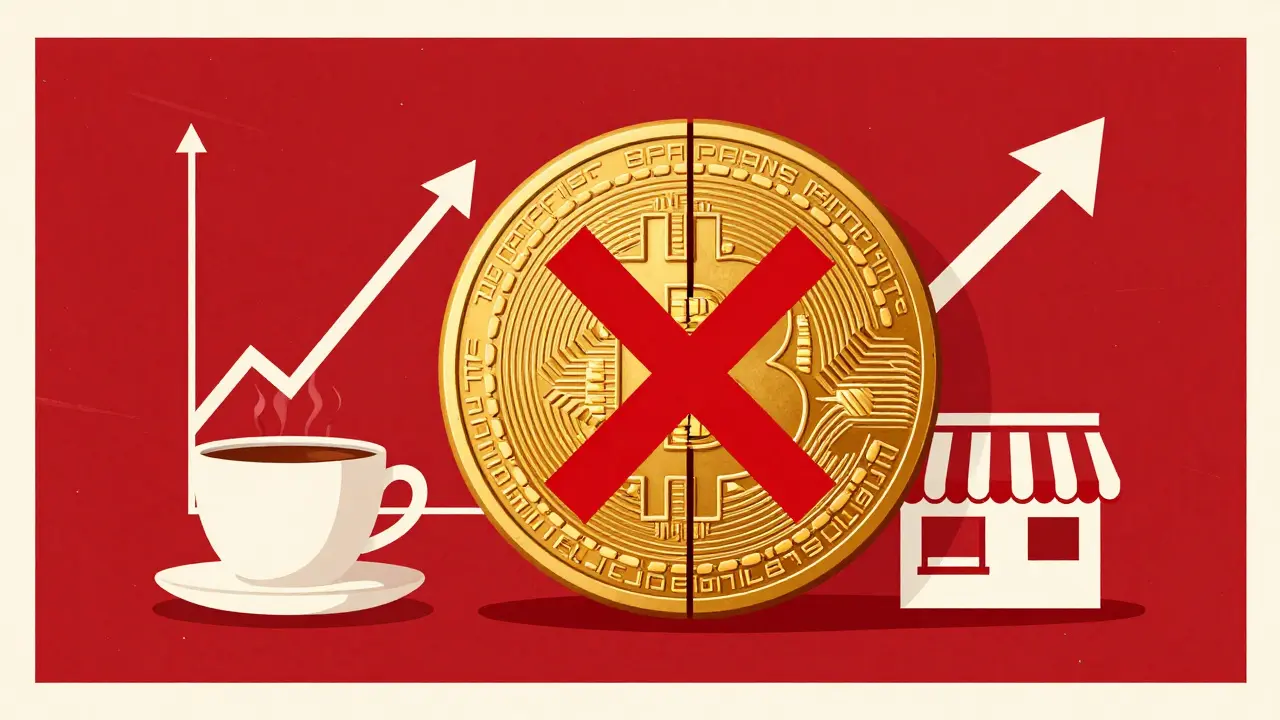
If you're looking to get into the crypto market in Indonesia, you've probably noticed that the rules aren't as simple as just downloading an app and buying some Bitcoin. The biggest thing you need to understand right away is the "split personality" of digital assets in the country. While the government is perfectly fine with you buying and selling cryptocurrency is a digital or virtual currency that is a medium of exchange using cryptography to secure financial transactions as an investment, using it to buy a coffee or pay for a service is strictly illegal. The Indonesian Rupiah remains the only legal tender for payments. If you try to use crypto as a currency, you're breaking Bank Indonesia's rules, but if you treat it like a stock or a piece of gold, you're on the right side of the law.
The New Sheriff in Town: OJK Oversight
For years, crypto was handled by BAPPEBTI, but that changed on January 10, 2025. Now, the Financial Services Authority (also known as OJK) is the primary regulator. This shift isn't just a change in letterhead; it means crypto is now officially treated as a digital financial asset, similar to securities, rather than just a commodity. Because of this, the standards for the platforms you use have gone up. To be legal, an exchange must have at least IDR 5 billion in capital and meet strict ISO/IEC 27001 cybersecurity standards.
For you, the trader, this means your money is theoretically safer, but getting started takes a bit longer. You can't just sign up with an email and start trading. You'll need to go through a more rigorous onboarding process. Many users have reported that while security is better, the KYC (Know Your Customer) process can now take 3 to 7 business days, which is a jump from the 1-2 days we saw in the old regime.
Step-by-Step: How to Start Trading Legally
To stay compliant and avoid any headaches with the tax office or the OJK, follow these specific steps:
- Pick a Licensed Exchange: Use only platforms approved by the OJK. As of 2025, there are 22 licensed exchanges. Major names like Indodax and Tokocrypto are the most popular choices.
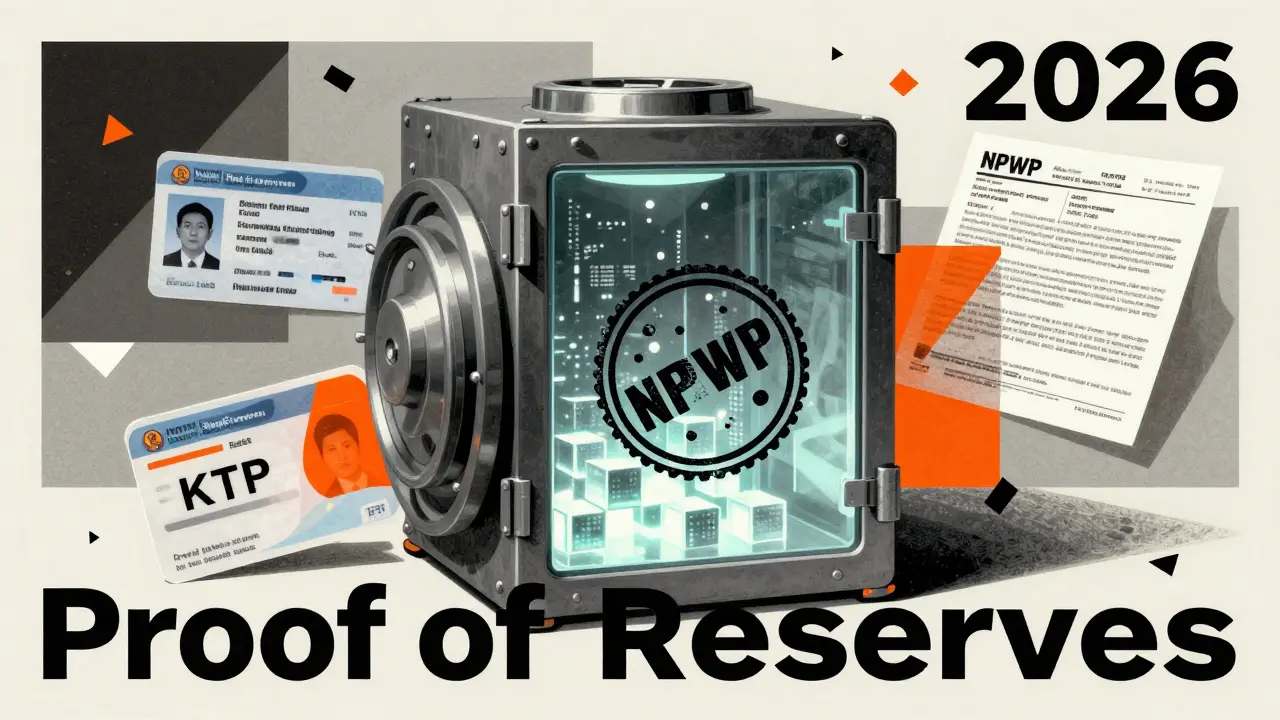
- Prepare Your Documents: You will need a valid National Identity Card (KTP) and a Tax Identification Number (NPWP). Without an NPWP, you might face higher tax hurdles or registration delays.
- Pass the Literacy Test: This is a new requirement under OJK Regulation No. 27/2024. You'll have to answer a 15-question quiz about crypto risks. You need a score of 80% or higher to pass. If you fail, you'll likely have to retake it before you can trade.
- Link a Local Bank Account: Your fiat on-ramps must be connected to a bank account registered with Bank Indonesia to ensure all funds are traceable and legal.
Navigating the Crypto Tax Landscape
Taxation used to be a bit of a mess, but the introduction of Regulation No. 50 of 2025 (PMK 50/2025) simplified things by removing VAT. Now, you're dealing with a final Income Tax system. The rate you pay depends entirely on where you trade.
If you use a domestic, OJK-licensed exchange, the tax is a lean 0.21%. The exchange handles this for you, remitting the tax to the government within 72 hours of your trade. However, if you decide to use a foreign platform or self-report your gains, the rate jumps to 1%. That's a massive difference. Some traders have accidentally lost thousands of dollars thinking the 1% was a suggestion, but the Directorate General of Taxes (DGT) is quite strict about it.
| Channel Type | Tax Rate (Final Income Tax) | VAT Status | Reporting Method |
|---|---|---|---|
| Domestic Licensed Exchange | 0.21% | Exempt | Automatic by Platform |
| Foreign Platform / Self-Reported | 1.00% | Exempt | Manual Self-Reporting |
Common Pitfalls and How to Avoid Them
Even for experienced traders, the Indonesian system has a few traps. One common issue is calculating taxes on "multi-leg" transactions-like when you trade BTC for ETH and then ETH for USDT. About 34% of users report errors here. The best way to avoid this is to use an exchange that provides quarterly tax statements, which they are now required to do by the 10th business day of the following quarter.
Another hurdle is moving large sums of money. If you're planning a cross-border remittance exceeding IDR 100 million (roughly $6,500), you can't just hit "send." You'll need special approval from the OJK under Circular Letter No. 15/SEOJK.04/2025. Trying to bypass this by breaking the amount into smaller transfers can trigger AML (Anti-Money Laundering) flags, which could lead to your account being frozen.
The Future: What's Coming in 2026?
The regulatory environment is still evolving. Starting January 1, 2026, the OJK is mandating "proof-of-reserves" audits for all licensed exchanges. This means the platforms must prove they actually hold the assets they claim to have, which should significantly reduce the risk of exchange collapses. There is also talk about allowing certain stablecoins for cross-border payments, though Bank Indonesia is still debating this.
If you're into DeFi (Decentralized Finance), be careful. Most DeFi apps currently operate in a legal gray area. While not explicitly banned, they don't fit into the OJK's current licensing framework, meaning you have very little legal recourse if a DeFi protocol you use disappears with your funds.
Is it legal to buy Bitcoin in Indonesia?
Yes, it is completely legal to buy and trade Bitcoin as an investment. However, it is illegal to use Bitcoin as a payment method for goods or services within Indonesia, as the Rupiah is the only legal tender.
Do I need an NPWP to trade crypto?
While some platforms might allow initial registration without one, you will need an NPWP (Tax Identification Number) to fully comply with tax regulations and avoid higher tax rates or potential account restrictions during OJK audits.
What happens if I trade on a foreign exchange like Binance?
Trading on foreign exchanges is not explicitly banned, but you are responsible for self-reporting your taxes. The tax rate for foreign transactions is 1%, which is significantly higher than the 0.21% rate applied to licensed domestic exchanges.
What is the OJK crypto literacy test?
It is a mandatory 15-question assessment required by OJK Regulation No. 27/2024. You must score at least 80% to prove you understand the risks of cryptocurrency before you are allowed to trade on a licensed platform.
How are crypto taxes collected in Indonesia?
For licensed domestic exchanges, taxes are collected automatically (withheld) at a rate of 0.21% and remitted to the government. For foreign platforms, you must manually report and pay a 1% final income tax.
Next Steps for Traders
Depending on where you are in your journey, here is how to handle your next move:
- For Beginners: Head to the OJK Crypto Asset Trading Portal (portal.lkd.ojk.go.id) to find the latest list of 22 licensed exchanges. Start your KTP and NPWP verification immediately to avoid the 7-day onboarding delay.
- For High-Volume Traders: If you're currently using offshore exchanges, calculate the 0.79% tax difference. Moving your volume to a domestic exchange like Indodax or Tokocrypto could save you a significant amount of money in taxes.
- For Institutional Investors: Ensure your compliance systems are ready for the January 2026 proof-of-reserves audits and check if your cross-border movements exceed the IDR 100 million threshold to avoid OJK freezes.