KAKA NFT World Airdrop Guide: How to Claim, Tokenomics & Risks
 May, 12 2026
Have you seen the buzz around KAKA NFT World, a competitive gaming ecosystem that promises free tokens through its airdrop program? With claims of massive token distributions and exclusive NFT benefits, it’s easy to get excited. But before you jump in, you need to know exactly how this works, where the risks lie, and whether the hype matches reality.
The crypto space is full of projects promising "free money," but few deliver without strings attached. KAKA NFT World positions itself as a metaverse blockchain gaming project combining NFTs and DeFi. However, recent data shows significant contradictions in its technical setup and market performance. This guide breaks down everything you need to know about the KAKA airdrop, from eligibility criteria to potential red flags.
Quick Takeaways
- Airdrop Mechanism: Users can earn KAKA tokens through Mystery Boxes, mining rewards, and official channel challenges.
- Token Supply Confusion: Sources conflict on total supply (100M vs. 1B) and blockchain (BNB Chain vs. Solana).
- NFT Utility: KAKA-rabbit NFTs offer priority access to games and community status, with only 10,000 unique pieces.
- Market Status: Current trading volume is $0, indicating low liquidity or inactive markets.
- Risk Factor: Renounced contracts and burned liquidity mean no developer control but also no future updates or refunds.
Understanding the KAKA NFT World Ecosystem
To understand the airdrop, you first need to grasp what KAKA NFT World actually is. It operates as a metaverse blockchain gaming platform that integrates NFT trading, DeFi applications, and e-sports prediction markets. The goal is to create a decentralized autonomous organization (DAO) structure where users have a say in governance.
Here’s the catch: there are conflicting reports about its technical foundation. Some sources list it under the BNB Chain ecosystem, while others claim it runs on Solana. This ambiguity matters because it affects wallet compatibility, transaction fees, and security audits. Always verify which network you’re interacting with before connecting your wallet.
The platform focuses on two main areas:
- NFT Services: R&D, sales, trading, and circulation of game and art NFTs.
- E-Sports Prediction Markets: Betting on outcomes using decentralized protocols.
This dual focus suggests a complex ecosystem, but complexity often brings hidden risks. For beginners, stick to the basics: understand how you’ll receive tokens before committing any personal data or funds.
How the KAKA Airdrop Works
The core of the KAKA NFT World strategy is its aggressive token distribution model. According to available data, up to 59% of the total supply is allocated for mining and airdrop programs. That’s a massive chunk designed to drive community engagement.
So, how do you actually get these tokens? There are three primary channels:
1. Mystery Box Distributions
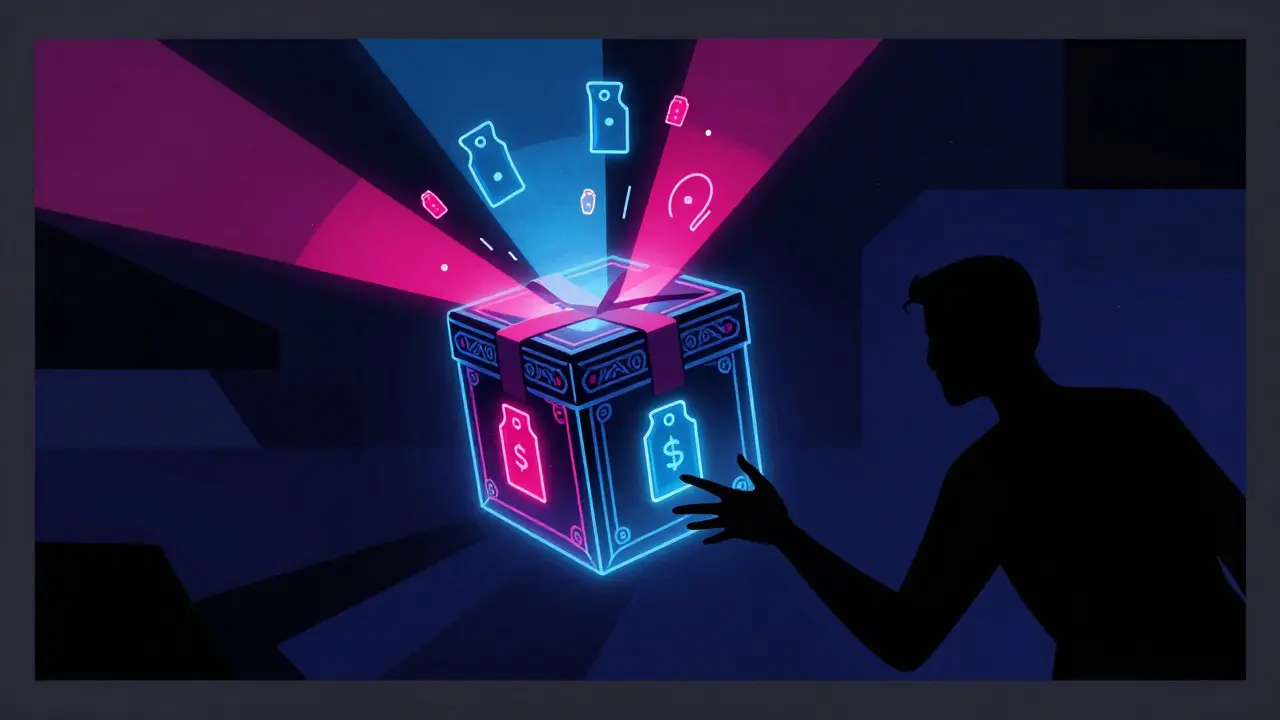
Users receive periodic Mystery Box airdrops directly from the official website. These boxes contain varying amounts of KAKA tokens. The value proposition here is interesting: proponents claim that within three to four Mystery Box acquisitions, participants might recover their initial investment costs (if any were incurred for entry). However, since current prices are listed at $0.00, "recovering investment" is currently theoretical.
2. Official Channel Challenges
You can earn free tokens by participating in promotions via social media and official platforms. Tasks often include joining Telegram groups, following Twitter accounts, or sharing referral links. All rewards earned through these activities convert directly into KAKA tokens.
3. Mining Rewards
The platform offers mining rewards distributed through its website. Unlike traditional Proof-of-Work mining, this likely refers to yield farming or liquidity provision incentives. Rewards may include various popular cryptocurrency tokens, not just KAKA.
| Method | Effort Required | Reward Type | Risk Level |
|---|---|---|---|
| Mystery Boxes | Low (Claim) | KAKA Tokens | Medium (Gas fees if applicable) |
| Social Challenges | Medium (Time) | KAKA Tokens | Low (Privacy risk) |
| Mining/Yield | High (Capital) | Various Crypto | High (Smart contract risk) |
Tokenomics: The Numbers Behind the Hype
Let’s look at the hard numbers. Here’s where things get confusing. Different data aggregators report vastly different figures for KAKA NFT World.
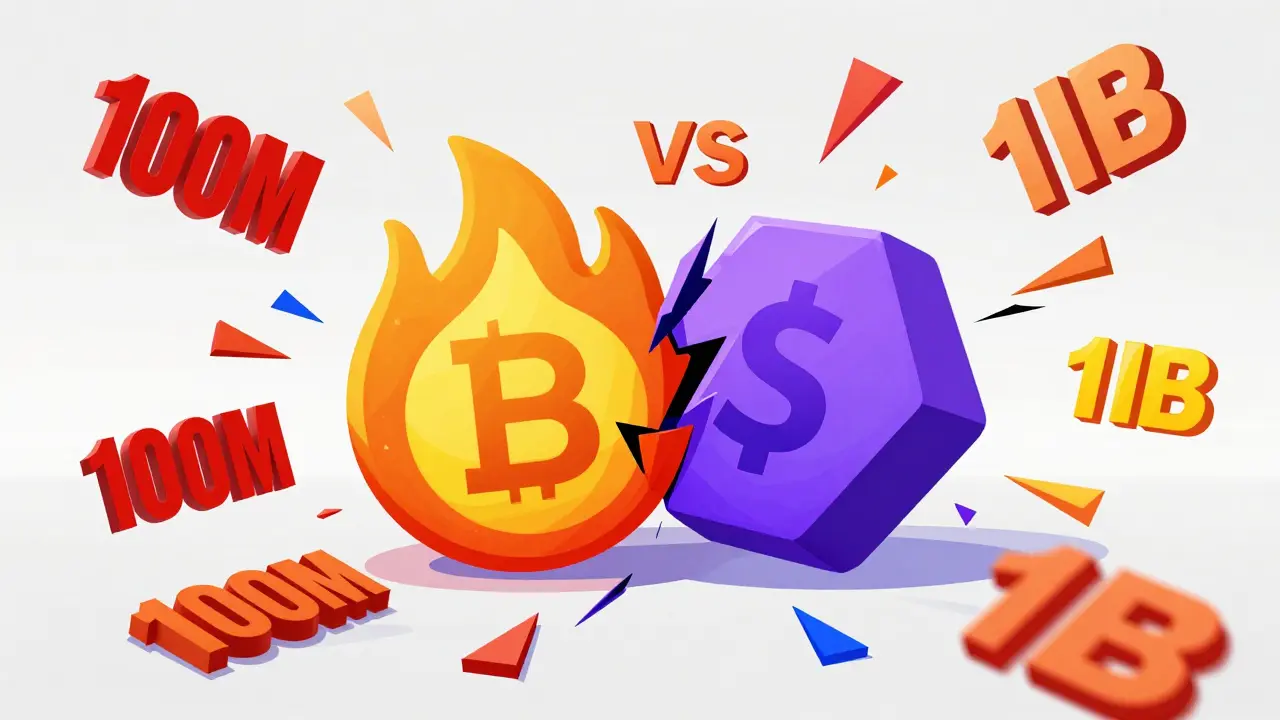
Scenario A (CoinMarketCap Data): Total Supply: 100 million KAKA tokens. Circulating Supply: 5.5 million KAKA. This suggests a highly deflationary model with limited availability.
Scenario B (Alternative Sources): Total Supply: 1 billion KAKA tokens. Blockchain: Solana. Allocation Breakdown: - 59% (590M) for Mining/Airdrop - 25% (250M) for Investment Institutions - 15% (150M) for Team - 1% (10M) for Initial DEX Offering (IDO)
Why does this discrepancy matter? If Scenario B is true, the inflation rate could be high as those 590 million tokens enter circulation. Additionally, the team holds 15%, which could lead to sell pressure if unlocked early. Always check the latest smart contract verification on explorers like BscScan or Solscan to see real-time holder distributions.
The Role of KAKA-Rabbit NFTs
Not all value in KAKA NFT World comes from tokens. The KAKA-rabbit NFT collection serves as both profile pictures (PFPs) for Twitter and utility keys for the platform. Key details include:
- Limited Supply: Only 10,000 pieces globally.
- Artistic Value: Each piece is hand-drawn by CG artists, not computer-generated avatars.
- Utility: Holders get priority access to card games, enhanced user rights, and potential competitive advantages in battles.
- Exclusivity: 20 special pieces were sold exclusively on the Binance NFT marketplace.
Owning a KAKA-rabbit NFT isn’t just about aesthetics; it’s a membership pass. In many Web3 games, holding specific NFTs grants better loot drops or lower transaction fees. If KAKA delivers on its gaming promises, these NFTs could appreciate significantly.
Market Reality Check: Price and Liquidity
Here’s the uncomfortable truth: as of May 2026, KAKA NFT World is trading at $0.00 USD with $0.00 USD in 24-hour volume. Platforms like Bitget and CoinMarketCap show zero movement.
What does this mean? 1. No Liquidity: You might own tokens, but you can’t sell them without crashing the price further. 2. Inactive Development: The project may be stalled or abandoned. 3. Pre-Launch Phase: Trading hasn’t officially started yet, and current listings are placeholders.
Cryptocurrency tracking algorithms, such as those used by CoinCodex, require several hours of historical data to generate predictions. Without trade history, any "price forecast" for 2025 or 2026 is pure speculation. Do not trust sites claiming exact future prices for illiquid assets.
Risks and Red Flags
Before participating in the airdrop, consider these critical factors:
- Renounced Contracts: Reports indicate the contract has been renounced and liquidity burned. While this signals decentralization, it also means developers cannot fix bugs, upgrade features, or refund users in case of exploits.
- Blockchain Ambiguity: Conflicting info between BNB Chain and Solana creates confusion. Ensure you’re using the correct wallet (e.g., MetaMask for BSC, Phantom for Solana).
- Zero Volume: No trading activity makes exit strategies impossible. If you invest time or small amounts of capital, assume it could go to zero.
- Scam Potential: Always verify URLs. Fake airdrop sites steal private keys. Only interact with links from official verified social media accounts.
Step-by-Step: How to Participate Safely
If you decide to proceed, follow these steps to minimize risk:
- Verify Official Channels: Go to the official KAKA NFT World website. Cross-reference links with trusted directories like CoinMarketCap or CoinGecko.
- Use a Burner Wallet: Never connect your main wallet holding significant funds. Use a separate wallet with minimal balance.
- Complete Social Tasks: Join Telegram, follow Twitter, and engage in community discussions. This builds reputation and ensures you don’t miss announcements.
- Claim Mystery Boxes: Log in periodically to claim available boxes. Track your earnings in a spreadsheet.
- Monitor Contract Updates: Watch the smart contract address (e.g., 0x26a1...d13a8a) on block explorers for unusual transactions.
Frequently Asked Questions
Is the KAKA NFT World airdrop free?
Yes, the basic airdrop mechanisms like Mystery Boxes and social challenges are free to participate in. However, some advanced mining opportunities may require staking other tokens, which involves financial risk.
Which blockchain does KAKA use?
There is conflicting information. Some sources cite BNB Chain, while others specify Solana. Always check the latest official documentation or smart contract verification to determine the correct network before connecting your wallet.
Why is the KAKA token price $0?
A price of $0 with zero volume indicates no active trading pairs or extreme illiquidity. This could mean the project is pre-launch, paused, or abandoned. Do not expect immediate monetization.
What is the total supply of KAKA tokens?
Reports vary widely. CoinMarketCap lists 100 million tokens, while other sources claim 1 billion. This discrepancy highlights the importance of verifying data through multiple independent sources.
Are KAKA-rabbit NFTs worth buying?
Their value depends entirely on the success of the KAKA gaming ecosystem. They offer utility like priority access and community status. Given the limited supply of 10,000, they may appreciate if the platform gains traction, but they carry high speculative risk.
Can I sell my KAKA tokens now?
Currently, no. With $0 trading volume, there are no buyers. Attempting to sell would result in failed transactions or negligible returns due to lack of liquidity.
Is the contract renounced safe?
Renouncing a contract means developers give up control, preventing malicious changes. However, it also means no bug fixes or upgrades. It’s a double-edged sword common in meme coins but risky for utility projects.
Next Steps for Participants
If you’re interested in KAKA NFT World, start small. Engage with the community on Discord and Telegram to gauge developer activity. Monitor the official website for Mystery Box drops. Keep an eye on blockchain explorers for any sudden spikes in transaction volume, which could signal renewed interest. Remember, in crypto, patience and verification are your best tools against scams and losses.
Bradley Geldenhuys
May 12, 2026 AT 13:29look at this mess of a project. total supply confusion? blockchain ambiguity? it smells like a rug pull waiting to happen. i say dont waste your time on these mystery boxes unless you enjoy watching money burn. the devs are clearly hiding something behind that renounced contract nonsense. just stay away from anything with zero volume and conflicting data sources.
Jocelyn Garcia
May 13, 2026 AT 07:37the tokenomics structure here is quite fascinating from a DeFi perspective. allocating 59% to mining and airdrops suggests a hyper-inflationary model designed for rapid user acquisition rather than sustainable value retention. however, the lack of liquidity pools makes any theoretical yield farming impossible without significant slippage risks. one must scrutinize the smart contract verification on BscScan or Solscan before interacting with such volatile assets.
Amit Varpe
May 15, 2026 AT 01:18why do we always fall for these western scams :/ india has better tech talent but people still chase these fake nft projects. keep your wallet safe and stop being so naive about free tokens. real crypto is built on code not hype.
Pauline Larocco71
May 15, 2026 AT 22:54i feel so anxious reading this guide honestly. its scary how easy it is to lose everything in crypto if you dont know what you are doing. please everyone use a burner wallet like the article says. i almost clicked a link once and lost my savings. lets look out for each other and share warnings if we see suspicious activity in the telegram groups.
Ankush Pokarana
May 17, 2026 AT 18:27one must consider the philosophical implications of a decentralized autonomous organization that lacks clear governance structures yet claims to offer community status through digital artifacts. the ambiguity between bnb chain and solana reflects a broader uncertainty in the metaverse sector where utility often precedes technical stability. perhaps the true value lies not in the token price which remains zero but in the social capital accumulated through participation in these early stage ecosystems. patience is indeed a virtue when navigating such uncharted territories
Bianca Vilas Boas Lourenço
May 18, 2026 AT 09:34oh great another dead project pretending to be alive 😒 why do i even bother checking these lists anymore. nobody cares about rabbit nfts they are just ugly pixels. i am so bored of this whole crypto circus. can we just go home now? 🙄💔
Yash Lodha
May 18, 2026 AT 21:29the contradiction in blockchain networks is not a mistake but a deliberate obfuscation tactic employed by shadowy entities to evade regulatory scrutiny. the renounced contract is a classic move by syndicates to create an illusion of decentralization while maintaining off-chain control through proxy wallets. the zero volume indicates a coordinated pump-and-dump scheme is dormant until the next cycle of retail manipulation begins. trust no official channel for they are all fronts for the greater deception.