Norway's Crypto Mining Ban: New Data Center Restrictions Explained
 Apr, 13 2026
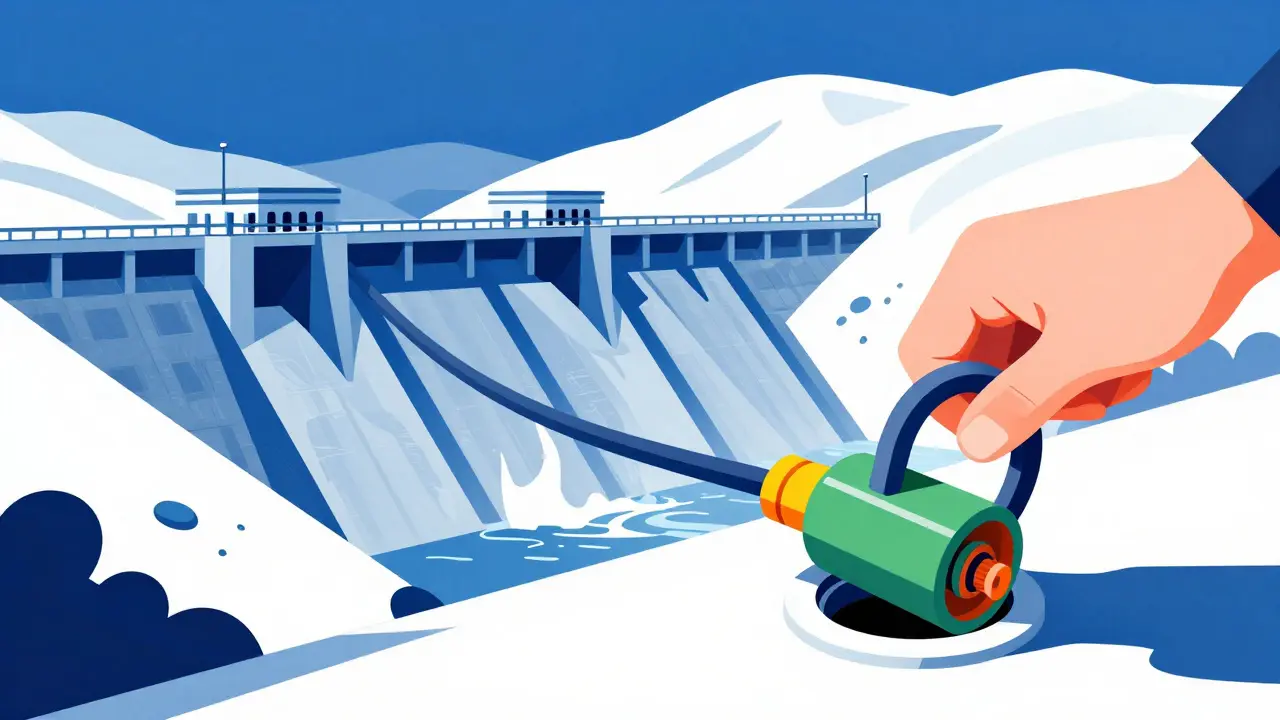
Norway used to be a paradise for crypto miners thanks to its cold climate and cheap hydroelectric power. But the party is winding down. The government has shifted its stance, deciding that the massive amounts of electricity used by mining rigs aren't doing enough for the local economy to justify the cost. If you're looking to set up a new operation in the Nordics, Norway is no longer the easy win it once was. Between a mandatory national registry and a targeted ban on new power-hungry facilities, the rules have changed fundamentally.
The New Rulebook: Registration and Oversight
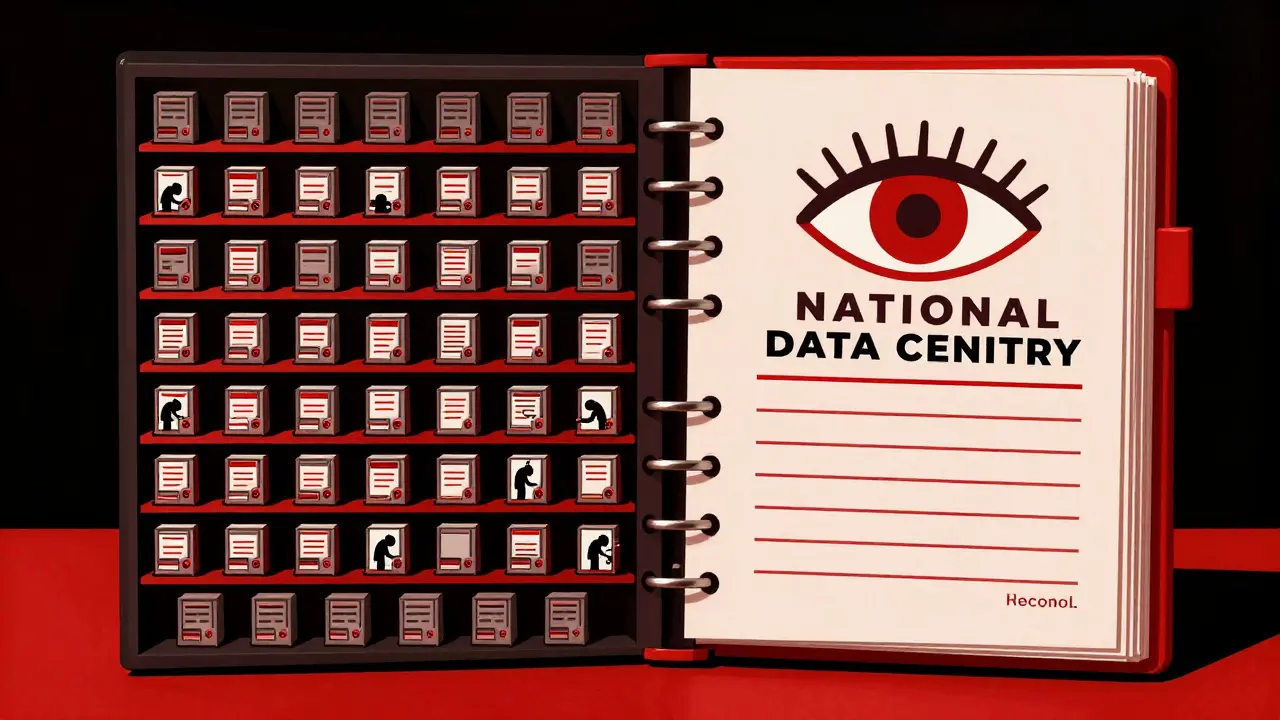
Starting January 1, 2025, the game changed with the Norwegian Electronic Communications Act is a legislative framework that established the first national data center registry in Europe. This isn't just a formality; it's a tool for the government to see exactly who is plugging what into the grid.
The Norwegian Communications Authority (also known as Nkom) is the agency calling the shots here. They handle the registration system. If you run a data center, you have to hand over the keys to your operation: company names, physical addresses, legal status, and a full list of customers. They specifically want to know if you're providing mining services.
For those already operating, there was a grace period that ended on July 1, 2025. If you're starting something new, you have to register before you even break ground. The stakes are high-if you dodge the registration, you could face fines up to 5% of your annual turnover. That's a heavy hit that could easily wipe out the profit margins of a mid-sized mining farm.
The Temporary Ban on New Mining
While registration is about visibility, the temporary ban is about restriction. Announced in April 2024 and rolled out in autumn 2025, this ban stops new, energy-intensive cryptocurrency mining data centers from opening. It's not a total blackout-existing farms can keep humming along-but the door is effectively shut for new entrants using high-power hardware.
This move is driven by the Ministry of Digitalization and Public Administration and the Ministry of Energy. Minister Karianne Tung has been blunt about it: the government wants to limit crypto mining as much as possible. Why? Because they believe the electricity should go to industries that actually create jobs and boost the local economy, rather than just powering servers for digital assets.
| Feature | Norway | China (2021) | Iceland/Sweden |
|---|---|---|---|
| New Operations | Banned (Temporary) | Banned | Generally Welcomed |
| Existing Farms | Permitted | Shut Down | Permitted |
| Registration | Mandatory/Detailed | N/A (Illegal) | Standard Business |
| Primary Driver | Social/Energy Value | Financial Stability | Economic Growth |
Why Norway is Turning Its Back on Mining
You might wonder why a country with so much renewable energy would care about a few thousand miners. It comes down to resource allocation. Norway relies heavily on hydroelectric power, and while they have a lot of it, the government views crypto mining as a "low-value" use of a precious resource. In their eyes, mining generates very few local jobs and almost no taxable income for the communities where the data centers are physically located.
By restricting mining, the state hopes to free up electricity for manufacturing and traditional industries that provide more stable employment. It's a pivot from the "digital gold rush" mindset toward a more sustainable, community-focused energy policy. Essentially, if your business doesn't help the local town grow, the government doesn't want you using their power.
Navigating the Legal Maze
For operators still in Norway, the headache doesn't stop at energy laws. You also have to deal with financial regulations. The Norwegian Financial Supervisory Authority (FSA) is integrating the Markets in Crypto Assets (MiCA) regulation throughout 2025. This means mining operations are now caught between two different sets of rules: one governing their physical energy use and another governing the financial assets they produce.
This creates a massive compliance burden. Small-scale miners are feeling the pinch the most, as the cost of legal documentation and ongoing reporting can be overwhelming. Many are finding that the administrative costs of staying legal in Norway are eating into their electricity savings.
Where is the Mining Moving?
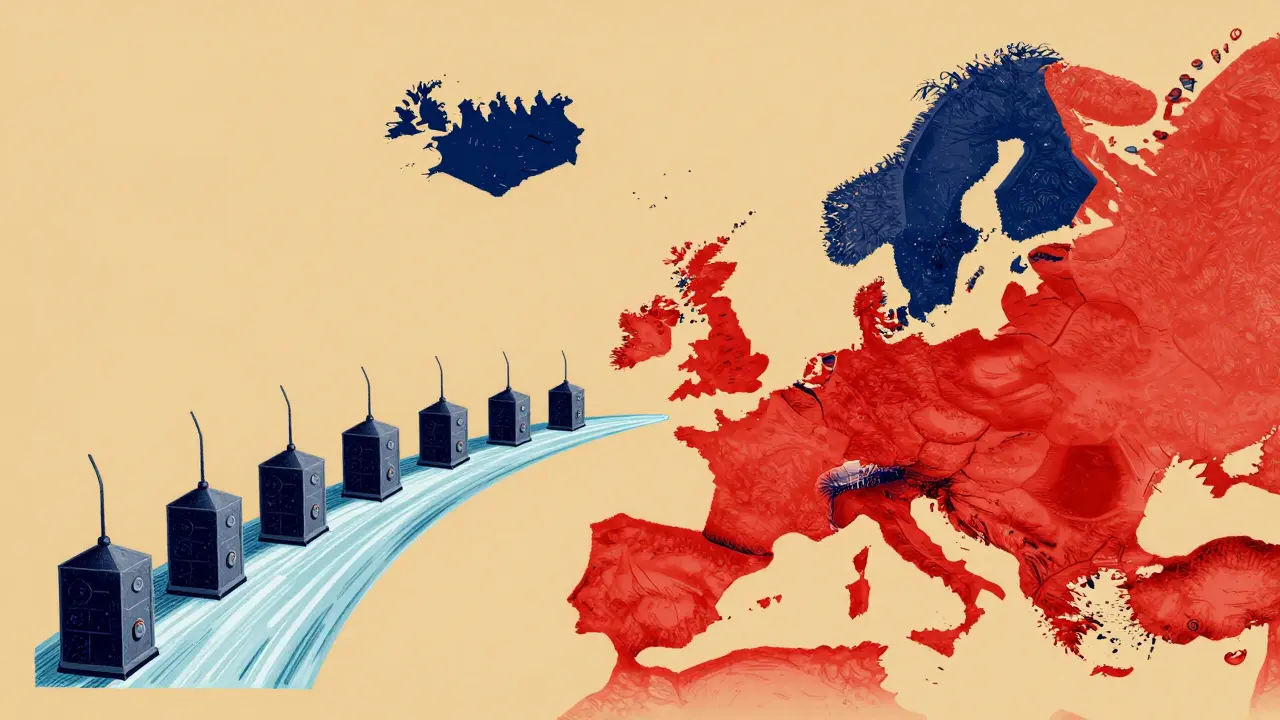
When a country closes its doors, the industry moves. We're seeing a trend of "regulatory arbitrage" where companies shift their investments to other Nordic neighbors like Iceland, Sweden, or Finland. These countries still see crypto mining as a way to attract foreign investment and utilize their own renewable energy grids.
North America is also seeing a bump in interest. Many firms are choosing regions with abundant wind or solar power and more predictable regulatory environments. The result is a shift in the global hash rate, as mining clusters migrate away from restrictive zones toward places that prioritize industry growth over strict energy conservation.
Practical Tips for Operators
- Audit Your Energy Use: If you're borderline on what constitutes "power-intensive," get a professional energy audit now. The government hasn't published a hard number, but having your data ready is your best defense.
- Register Early: If you are planning any expansion or new builds, do not start construction until your Nkom registration is fully approved. The 5% turnover fine is not a risk worth taking.
- Consult Local Experts: Don't rely on generic crypto forums. Because Norway's laws are so specific to their Electronics Communications Act, you need legal advice that understands Norwegian administrative law.
- Explore Alternatives: If the compliance cost is too high, look into jurisdictions that offer tax incentives for renewable-powered mining.
Is all crypto mining illegal in Norway?
No, it is not illegal. Existing mining operations are allowed to continue. The restrictions primarily target new data centers and facilities that use extremely energy-intensive mining technologies.
Who manages the data center registry?
The Norwegian Communications Authority (Nkom) is responsible for enforcing the registration system and ensuring that all data center operators provide required operational details.
What happens if a data center fails to register?
Non-compliance can result in heavy financial penalties, potentially reaching up to 5% of the company's annual turnover.
Why is the government banning new mining centers?
The government argues that cryptocurrency mining consumes excessive electricity while providing very few jobs or economic benefits to local communities compared to traditional manufacturing or public services.
Does MiCA affect miners in Norway?
Yes. While the energy ban is a separate administrative issue, the Markets in Crypto Assets (MiCA) regulation adds a layer of financial oversight that miners and crypto-asset service providers must navigate.
william manes
April 13, 2026 AT 19:13USA is the only place for real gains 🇺🇸💪 Norway just can't handle the heat! 🤣
James Bone
April 14, 2026 AT 21:04It's honestly hilarious that people think 'social value' is a real metric for energy. The state is just playing a game of musical chairs with electricity to keep their precious little social safety net from crumbling while they pretend to be morally superior. It's the classic paradox of the modern state: they want the prestige of being a tech hub but are terrified of any industry they can't fully leash and tax into oblivion. Basically, they're just admitting they failed to innovate and now they have to cannibalize the energy grid to save their skin. Just peak bureaucratic failure right here.
Aaliyah BROTHERS
April 15, 2026 AT 03:25This is EXACTLY how the New World Order starts!!! First they register your servers, then they register your thoughts!!! It's a total power grab by the globalist puppets in Norway to keep us in the dark ages while they hoard the energy for their secret bunkers!!! Absolutely sickening behavior!!! Wake up people, this is just a rehearsal for the great reset!!! 😡😡😡
Tyler Webb
April 16, 2026 AT 20:10It sounds like a really stressful transition for the small business owners there. Hopefully they find a way to adapt without losing everything. :)
Kelly Cantrell
April 18, 2026 AT 07:24The transition to these registries is just a smokescreen. They aren't worried about 'local jobs,' they're building a database of dissidents and independent wealth to seize when the currency collapse finally hits. It's a strategic move to eliminate financial sovereignty under the guise of environmentalism. Very clever, but not fooling anyone who actually reads between the lines.
Carroll Foster
April 19, 2026 AT 03:21Oh look, another jurisdiction attempting to solve the hash rate problem with a blunt instrument. Truly a masterclass in regulatory arbitrage. I'm sure moving the GPUs to Iceland will magically solve the systemic inefficiency of Proof-of-Work without any 'unforeseen' environmental externalities. Groundbreaking stuff, really. 🙄
Will Dixon
April 19, 2026 AT 16:16i think its fair for a gov to want jobs for ppl instead of just machines humming in a room 🤷♂️ just gotta find a new spot
Rima Dinar
April 21, 2026 AT 14:32If you are currently operating in Norway and feeling the pressure of these new regulations, please remember that this is a moment for strategic pivoting and growth. While the administrative burden of the Nkom registry and the MiCA framework may seem overwhelming at first glance, it is actually an opportunity to refine your business model and perhaps look into more sustainable, hybrid energy solutions that could make your operation more resilient in the long run. I truly believe that those who take the time to properly audit their energy consumption and engage with local legal experts will find a way to thrive even in a restrictive environment, because adaptability is the most valuable asset in the crypto space. Stay positive and keep pushing forward toward your goals!
ssjuul z
April 22, 2026 AT 00:55Let's get after it! If Norway is closing the door, it just means there are bigger and better opportunities waiting in other markets. Time to optimize and scale elsewhere! ^_^
Adam Auksel
April 23, 2026 AT 06:21It's a tough pill to swallow for the miners, but it's a good lesson in diversifying your geographic risk. Don't put all your rigs in one country! 🌍💡