OneRare Ingredient NFTs: How to Earn Food NFTs in the Foodverse Without an Airdrop
 Dec, 23 2025
There’s no official OneRare Ingredient NFT airdrop. If you’re waiting for free NFTs to drop into your wallet, you’re looking in the wrong place. OneRare doesn’t give away ingredient NFTs like coupons. Instead, it rewards you for playing - and that’s how the system was built to work.
What OneRare Actually Is
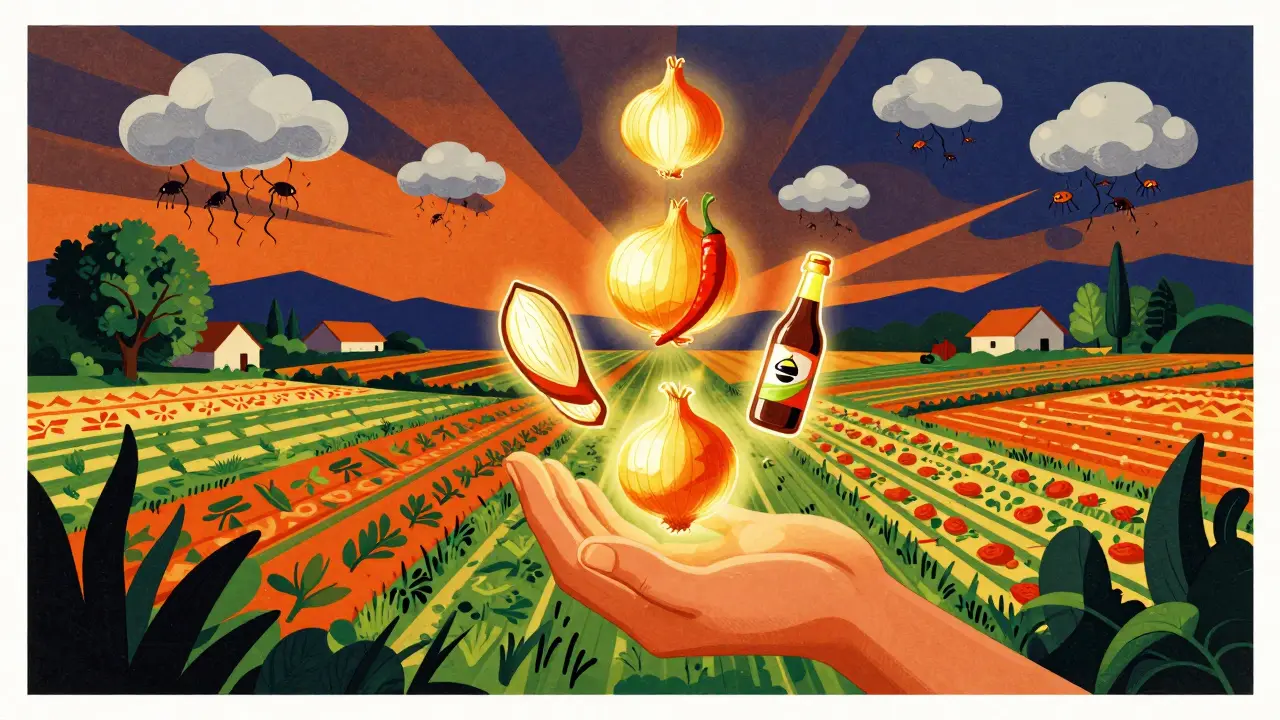
OneRare is the first food metaverse - or 'Foodverse' - built on the Polygon blockchain. It turns cooking into a game. Not a fantasy RPG with dragons and swords, but a real-world food experience. You collect NFTs of onions, tomatoes, chili peppers, and soy sauce. Then you combine them to make NFT dishes like sushi, pasta, or tacos. Each dish you mint is unique, and once you make it, the ingredients vanish. Burned. Gone forever.
This isn’t just digital collectibles. It’s a living economy. Environmental events like droughts or pest outbreaks in the game can wipe out entire ingredient farms for days. That makes certain NFTs scarce. When that happens, prices in the Farmer’s Market spike. Someone who hoarded potatoes during a drought can make a profit. That’s the core of OneRare: real food economics, simulated on-chain.
How You Actually Get Ingredient NFTs
You don’t get them from an airdrop. You earn them by staking ORARE tokens.
OneRare has six themed farming pools - each tied to a global cuisine: Italian, Indian, Japanese, Mexican, Chinese, and American. You lock up your ORARE tokens in one of these pools. Every hour, the system randomly distributes ingredient NFTs to stakers. You might get garlic one hour, rice the next. You can’t choose what you get. That’s intentional. It mimics how real farmers can’t control the weather or harvest yields.
Here’s the catch: you can’t farm specific ingredients. The system is randomized. If you want bell peppers, you have to farm the Mexican pool and hope they drop. There’s no shortcut. No magic address to claim them. Just patience, staking, and luck.
The Four Zones of the Foodverse
Once you start farming, you enter a four-part world:
- Farm: Where you stake ORARE and earn ingredient NFTs.
- Farmer’s Market: A marketplace with three shops. You can sell your excess ingredients, buy rare ones you can’t farm (like truffle or saffron), or trade dish NFTs with other players.
- Kitchen: This is where you cook. Combine three or more ingredient NFTs to mint a dish. A potato + oil + salt = French Fries NFT. A rice + fish + seaweed = Sushi NFT. Once you mint, the ingredients are gone. You can’t undo it.
- Playground: Mini-games where you use your NFTs to win more rewards. Race with your sushi NFT. Defend your curry from thieves. These games give you bonus NFTs, ORARE tokens, or special cooking tools.
Every part connects. You farm → you trade → you cook → you play → you earn more. It’s a loop. And the better you play, the more value you create.
Why No Airdrop? The Strategy Behind It
OneRare could’ve done an airdrop. Many Web3 projects do. But they didn’t. Why?
Airdrops attract speculators. People who grab free tokens and sell them the next day. OneRare wants cooks, not flipper. They want people who care about food culture, who’ll spend hours combining ingredients, who’ll trade with others, who’ll get invested in the game’s world.
By making you stake ORARE to earn ingredients, they filter out the noise. Only those who believe in the project will put in the capital. That creates a more loyal, active community. It also keeps the NFT economy stable. No sudden flood of free NFTs crashing the market.
Plus, staking ORARE gives the token utility. It’s not just a speculative asset. It’s the key to the entire Foodverse.
Real Chefs, Real Dishes
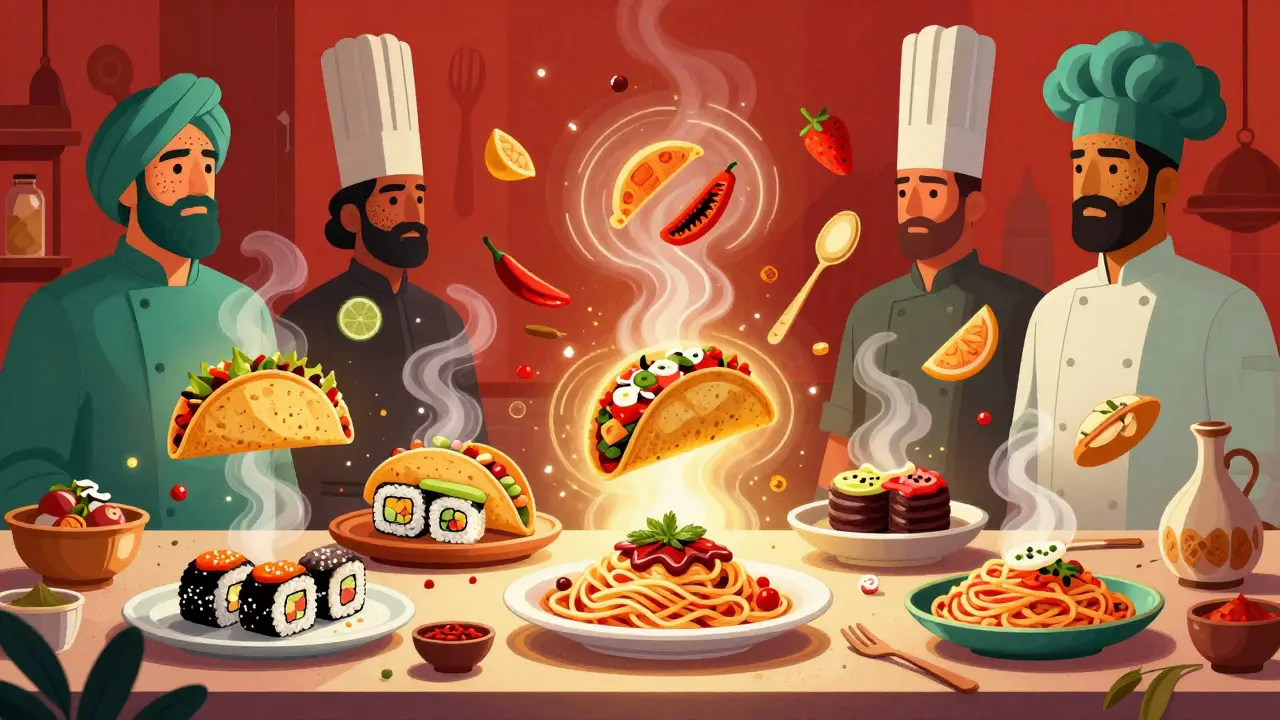
OneRare isn’t just a game. It’s a collaboration platform. They’ve partnered with real chefs and restaurants to turn famous dishes into NFTs.
Think of it: a signature dish from Michelin-starred chef Anthony Sarpong. A curry from Zorawar Kalra, one of India’s most famous chefs. Or a taco recipe from a popular U.S. food truck. These aren’t just random NFTs. They’re limited-edition culinary artifacts. Some of these dishes require rare ingredients you can’t farm - you can only buy them in the Farmer’s Market.
These partnerships give the Foodverse credibility. It’s not just pixels. It’s food history, culture, and expertise encoded on-chain.
Why Polygon? Speed and Cost Matter
OneRare runs on Polygon, not Ethereum. That’s not an accident.
Gas fees on Ethereum can kill a food game. Imagine trying to make a stir-fry and paying $15 in fees just to combine your NFTs. No one would play. Polygon keeps transaction costs near zero and speeds under two seconds. That’s critical for a game where you might cook five dishes in a row.
It also means average users - not just crypto whales - can join. You don’t need a fortune to start. You need a wallet, some ORARE, and curiosity.
What You Need to Get Started
Here’s how to begin:
- Get a Web3 wallet like MetaMask or Trust Wallet.
- Buy some MATIC (Polygon’s token) to pay for gas.
- Buy ORARE tokens on exchanges like Gate.io or MEXC.
- Connect your wallet to onerare.io.
- Stake your ORARE in one of the six farming pools.
- Wait. Check hourly. Collect your randomized ingredient NFTs.
That’s it. No forms. No KYC. No waiting for an airdrop list. Just stake and play.
What Happens If You Don’t Stake?
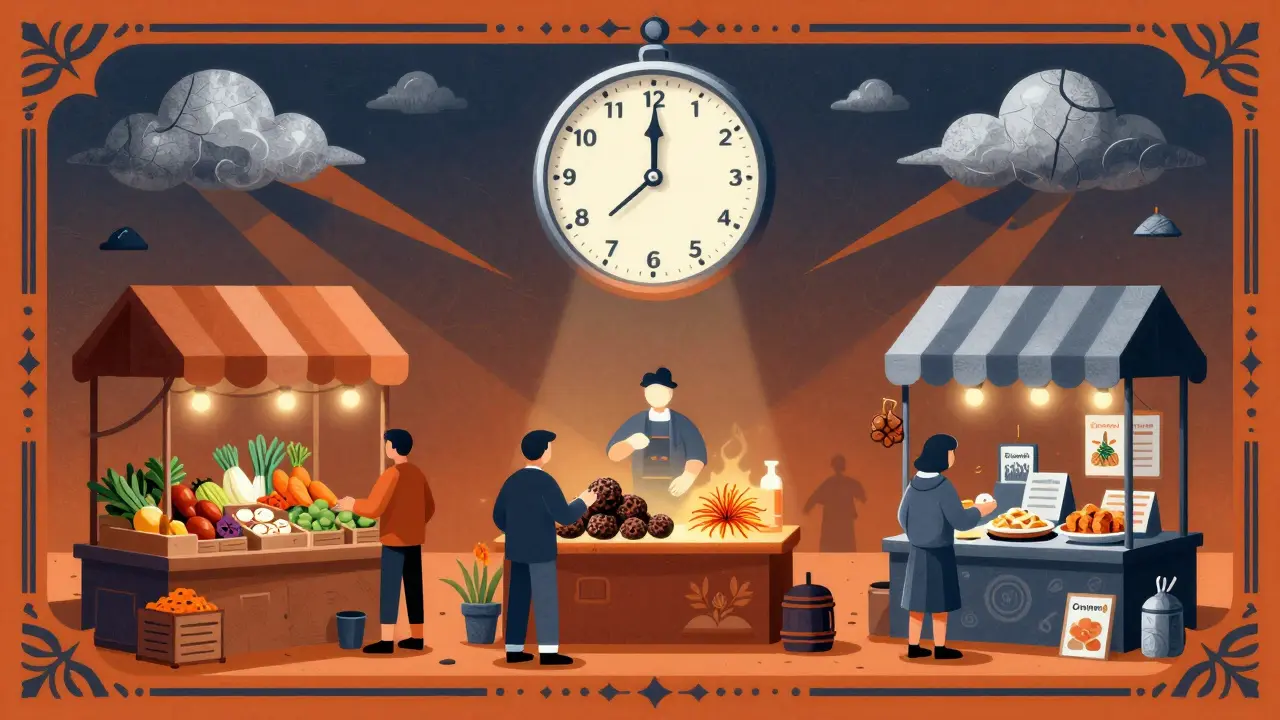
If you don’t stake ORARE, you can still visit the Farmer’s Market and buy ingredients. But you’ll pay market prices - which can be high if a drought hit. You can also buy dish NFTs directly. But you won’t earn anything. You’ll just be a spectator.
OneRare rewards participation. Not ownership. The more you farm, cook, and play, the more you’re part of the Foodverse. The less you do, the more you’re just browsing a digital menu.
Is This Just a Game? Or Something Bigger?
OneRare isn’t trying to replace your kitchen. But it’s reimagining food culture in the digital age.
Think about it: kids in Tokyo can learn about Mexican cuisine by minting tacos. A chef in New York can trade a rare ingredient with someone in Mumbai. A family in Brazil can play a mini-game with their NFT curry and teach their kids where the spices come from.
This is education. Culture. Community. Built on blockchain.
It’s not the next big crypto bubble. It’s the first big food metaverse. And it’s alive - running 24/7, changing with the weather, shaped by its players.
Final Thought: No Free Lunch, But Real Value
There’s no OneRare Ingredient NFT airdrop. And that’s a good thing.
Real value isn’t given. It’s earned. Through time. Through effort. Through understanding the system.
If you want ingredient NFTs, stake ORARE. Farm. Cook. Play. Trade. The Foodverse doesn’t hand out gifts. It rewards curiosity.
Is there a OneRare Ingredient NFT airdrop right now?
No, there is no active or planned airdrop for OneRare Ingredient NFTs. The platform distributes ingredients exclusively through staking ORARE tokens in its farming pools. Any claim of a free airdrop is likely a scam.
How do I earn ingredient NFTs in OneRare?
You earn ingredient NFTs by staking ORARE tokens in one of the six themed farming pools (Italian, Indian, Japanese, Mexican, Chinese, American). Ingredients are randomly distributed every hour based on your staked amount. You can’t choose which ingredients you get.
Can I buy ingredient NFTs instead of farming them?
Yes, you can buy ingredient NFTs in the Farmer’s Market. Some rare ingredients - like truffle or saffron - can only be purchased, not farmed. Prices change based on supply and environmental events like droughts or pest outbreaks.
What happens to my ingredient NFTs when I make a dish?
They’re burned permanently. Once you combine ingredients to mint a dish NFT, the original NFTs are destroyed. This creates scarcity and makes each dish unique. You can’t get the ingredients back.
Do I need a lot of money to start playing OneRare?
No. You need a Web3 wallet, some MATIC for gas, and enough ORARE to stake. You don’t need thousands of dollars. Many players start with small stakes and grow their collection over time through farming and trading.
Why does OneRare use Polygon instead of Ethereum?
Polygon offers near-zero transaction fees and fast confirmations, which are essential for a game where players combine NFTs multiple times per hour. Ethereum’s high gas fees would make the game unplayable for most users.
Are the chefs and restaurants in OneRare real?
Yes. OneRare has partnered with real-world chefs like Zorawar Kalra, Saransh Goila, Anthony Sarpong, and Reynold Poernomo. Their signature dishes are minted as limited-edition NFTs in the game, adding authenticity and cultural value.
Can I sell my dish NFTs?
Yes. You can list your dish NFTs for sale in the Farmer’s Market. Some rare or chef-crafted dishes sell for high prices, especially if they use scarce ingredients or are tied to celebrity chefs.
What are the environmental events in OneRare?
The Farm simulates real-world agricultural challenges: droughts, floods, tornadoes, pests, and global warming. These events temporarily stop farming of certain ingredients, causing supply shortages and price spikes in the market. This adds realism and economic depth to the game.
Is OneRare a good investment?
OneRare is a game, not a financial product. While ORARE tokens and NFTs have market value, their worth depends on player activity, not speculation. Play for the experience - cooking, trading, and discovering global cuisines - not for quick profits. The game’s long-term value comes from community and culture, not price charts.
Janet Combs
December 24, 2025 AT 11:41i just staked my orare and got three garlics in a row. like… is this a joke? i wanted chili peppers for tacos 😭
Radha Reddy
December 25, 2025 AT 05:32As someone from India, seeing the curry pool included with authentic spice profiles is deeply meaningful. This isn't just gaming - it's digital heritage preservation. Well done, OneRare.
Sarah Glaser
December 26, 2025 AT 03:29There's something beautiful about how this system mirrors real agriculture - you don't control the harvest, you adapt to it. That’s life. That’s resilience. That’s why this isn’t just another NFT gimmick. It’s a meditation on scarcity, patience, and trust in systems larger than yourself.
roxanne nott
December 27, 2025 AT 03:45stop pretending this is art. you’re just paying gas fees to roll dice. anyone who calls this ‘cultural preservation’ is delusional. also, polygon is fine but still a rug pull waiting to happen.
Rachel McDonald
December 27, 2025 AT 22:07so… i spent 3 weeks farming and got 12 onions and 1 salt. i’m crying. like, literally crying. who designed this? it’s cruel. 😭💔
Mmathapelo Ndlovu
December 28, 2025 AT 21:12the way this game connects people across borders through food… 🌍❤️ i traded my mexican chili for a japanese rice with someone in Tokyo. we didn’t speak the same language but we both knew what umami meant. this is magic.
Melissa Black
December 30, 2025 AT 14:23OneRare’s economic model leverages tokenized scarcity via PoS-driven stochastic distribution to incentivize long-term engagement over speculative extraction. The absence of airdrops ensures a non-inflationary NFT supply curve anchored in active participation, not passive accumulation. This is Web3 infrastructure as cultural substrate - not entertainment.