Crypto Exchange Shutdown: Why Exchanges Fail and How to Stay Safe
When a crypto exchange shutdown, a digital platform where people buy, sell, or trade cryptocurrencies stops operating, often abruptly and without warning. It’s not always a glitch—it’s usually a sign of fraud, regulatory pressure, or total collapse. These aren’t rare events. In 2024 alone, over a dozen platforms vanished overnight, leaving users with nothing but empty wallets and broken promises.
Most unregulated crypto exchange, a platform that operates without oversight from financial authorities, often hiding behind offshore registrations and fake customer support. Also known as offshore crypto platform, it typically lacks basic security, has no real audit trail, and shows suspicious trading volume. Platforms like LocalTrade and PayCash Swap aren’t just risky—they’re warning signs. They don’t get shut down because they’re bad—they get shut down because they were never real to begin with. Then there are the crypto exchange scam, a fraudulent operation designed to steal funds under the guise of offering high returns, low fees, or exclusive access. These often mimic legit sites, use cloned logos, and push fake airdrops to lure victims. Once you deposit, withdrawal requests vanish. The team disappears. The website goes dark. These scams thrive when people skip basic checks: no KYC, no transparency, no history. If a platform doesn’t have reviews on trusted forums or isn’t listed on CoinGecko or CoinMarketCap, treat it like a red light.
Regulators aren’t the only force behind shutdowns. Sometimes, exchanges collapse under their own weight—poor security, insider theft, or just running out of cash. The crypto exchange risks, the dangers users face when using platforms with weak controls, hidden fees, or no insurance for stolen funds. Also known as crypto platform vulnerabilities, they include everything from hacked wallets to manipulated trading data. You don’t need to be a hacker to lose everything. All it takes is trusting the wrong site. That’s why so many people now use only regulated names like Coinbase or Kraken. They’re not perfect, but they’ve got legal obligations, insurance, and real teams you can contact.
What you’ll find below isn’t just a list of failed exchanges. It’s a collection of real cases—each one showing how the same patterns repeat: fake volume, ghost teams, impossible promises. Some posts expose outright scams like DDM and UniWorld. Others reveal how countries like Angola and Pakistan respond to mining surges. You’ll see how FATF blacklists force users into risky alternatives, and how people try to dodge restrictions using multiple exchanges—only to get caught. These aren’t hypotheticals. These are the stories of real people who lost money because they didn’t know the signs.
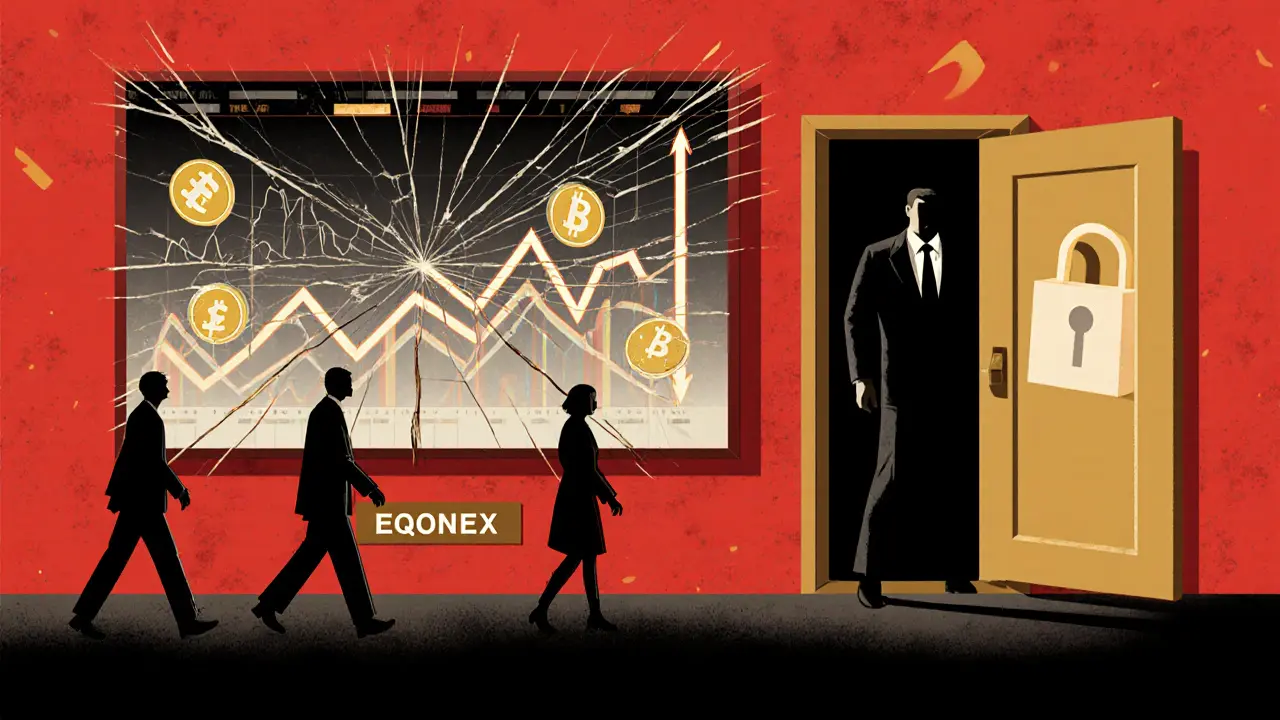
EQONEX Crypto Exchange Review: Why It Shut Down and What Happened to User Funds
EQONEX was a crypto exchange that shut down in 2022 after bankruptcy. Learn why it failed, what happened to user funds, and how to avoid similar platforms in 2025.
Read More