Proof of Work efficiency: How mining impacts crypto, energy, and regulation
When you hear Proof of Work, a consensus method where miners solve complex math problems to validate blockchain transactions. Also known as PoW, it's the original engine behind Bitcoin and many early cryptocurrencies. But here’s the real question: is it efficient? Or is it just a power-hungry relic? The answer isn’t simple—it depends on where you live, how much electricity costs, and who’s regulating it.
Crypto mining, the process of using hardware to confirm transactions and earn rewards eats massive amounts of energy. Angola banned it outright in 2024 because its grid couldn’t handle the load. Meanwhile, Pakistan just allocated 2,000 megawatts of surplus power to mining operations—enough to power a small country. That’s not a contradiction; it’s reality. In places with cheap, underused power, mining makes economic sense. In places with shortages, it’s seen as theft from households and hospitals.
Energy consumption crypto, the total electricity used by blockchain networks isn’t just about Bitcoin. It’s about the trade-off: more security versus more waste. Proof of Work is secure because it’s expensive to attack—you’d need more computing power than the entire network. But that cost comes in kilowatts. That’s why countries like Canada are tightening rules by province, while others, like Iran, lean on crypto because their banking system is cut off. Mining isn’t just tech—it’s survival, policy, and energy politics wrapped into one.
And then there’s the alternative: Proof of Stake, a method where validators are chosen based on how much crypto they hold and are willing to "stake" as collateral. It uses 99% less energy. Ethereum switched to it in 2022. But not every chain can afford to change. Bitcoin’s community still believes in Proof of Work’s resilience, even if it’s messy. So we’re stuck with both. Some chains keep mining, others move on. The result? A fragmented landscape where efficiency isn’t measured in speed, but in survival.
You’ll find posts here that show you exactly how this plays out: from scams disguised as mining projects to real government actions that shut down entire networks. Some posts reveal dead coins tied to fake mining claims. Others expose how energy policies shape global crypto flows. You’ll see why Angola’s ban sent shockwaves, why Pakistan’s move could shift mining centers, and why Proof of Work’s efficiency isn’t just a tech debate—it’s a battle over resources, power, and control.
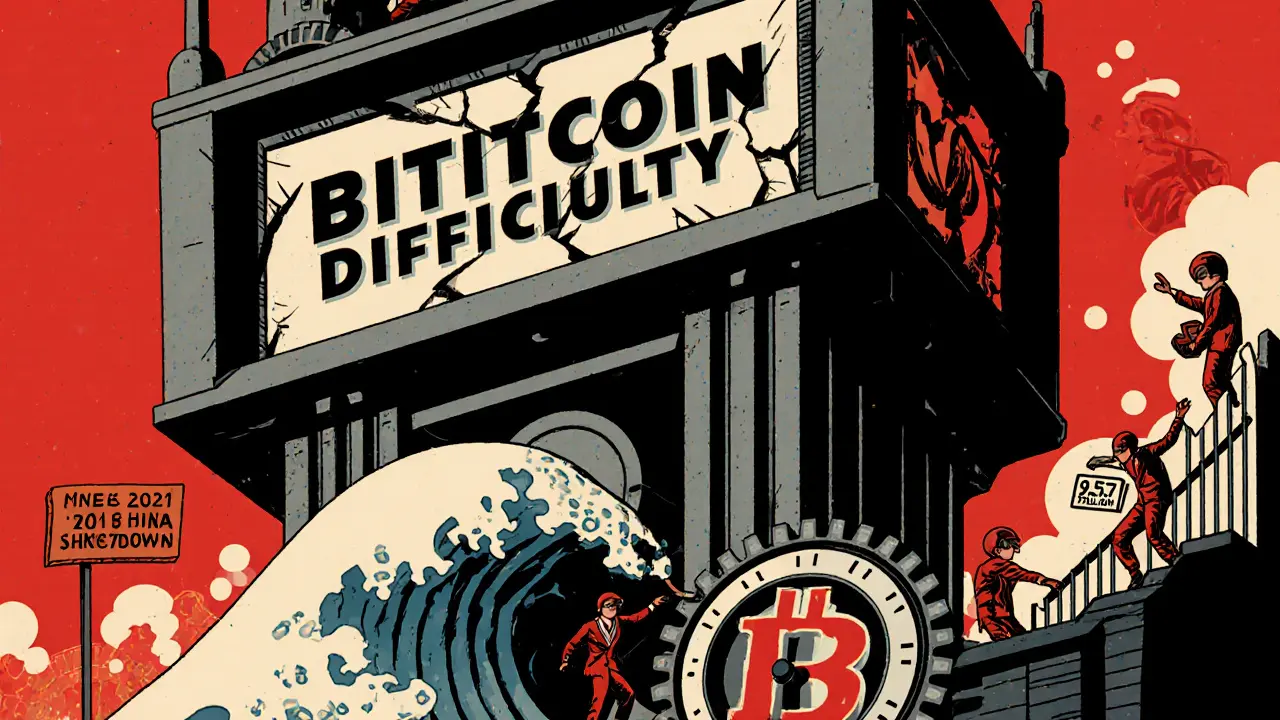
Future of Adaptive Mining Difficulty in Blockchain Networks
Adaptive mining difficulty is transforming blockchain networks by replacing slow, fixed adjustments with real-time tuning. It improves security, cuts energy waste, and prevents attacks - making Proof of Work sustainable for the future.
Read More