Stuck Bitcoin Transaction: How to Fix It and Avoid Future Delays
When your stuck Bitcoin transaction, a Bitcoin transfer that hasn’t confirmed on the blockchain despite being broadcast hangs in limbo, it’s not just annoying—it’s stressful. Your coins are technically gone from your wallet, but not yet in the recipient’s. This happens because Bitcoin transactions need to be picked up by miners and added to a block. If the fee you paid is too low, your transaction gets buried in the mempool, the waiting room for unconfirmed Bitcoin transactions, where it can sit for hours, even days. The mempool fills up during spikes in network activity, like when prices surge or big wallets move funds. Without enough fee incentive, miners ignore your transaction in favor of higher-paying ones.
It’s not always your fault. Sometimes the network just gets congested. But more often, it’s because you used a default fee set by your wallet—something most people don’t realize is too low. Wallets like Electrum, BlueWallet, or even Coinbase sometimes suggest ‘low’ or ‘standard’ fees that are outdated or too conservative. A transaction fee, the amount paid to miners to prioritize your Bitcoin transfer needs to match current demand. Tools like Bitcoin Fee Calculator or mempool.space show real-time fee levels. If your transaction is stuck, you have options: wait it out (which could take days), use Replace-by-Fee (RBF) if your wallet supports it, or broadcast a Child-Pays-for-Parent (CPFP) transaction. RBF lets you resend the same transaction with a higher fee, while CPFP involves sending a new transaction from the stuck one’s output, incentivizing miners to confirm both together. Both require technical steps, but many wallets now have built-in tools to help.
And here’s the truth: most stuck transactions aren’t lost. They’re just delayed. Your Bitcoin is still yours. No one stole it. But leaving it unattended risks it being dropped from the mempool after 72 hours, which means you’ll need to resend it manually. The fix isn’t about luck—it’s about understanding how fees work, monitoring the network, and acting fast. The next time you send Bitcoin, check the fee before hitting send. Set it manually. Don’t trust defaults. Use a fee estimator. And if you’re sending during peak hours, add a little extra. It’s cheap insurance.
Below, you’ll find real cases of people dealing with stuck transactions, failed airdrops tied to unconfirmed coins, and exchanges that didn’t handle delays properly. You’ll see which wallets help you recover, which ones make it worse, and what actually works when your Bitcoin won’t move. No theory. No fluff. Just what happened—and how to avoid it yourself.
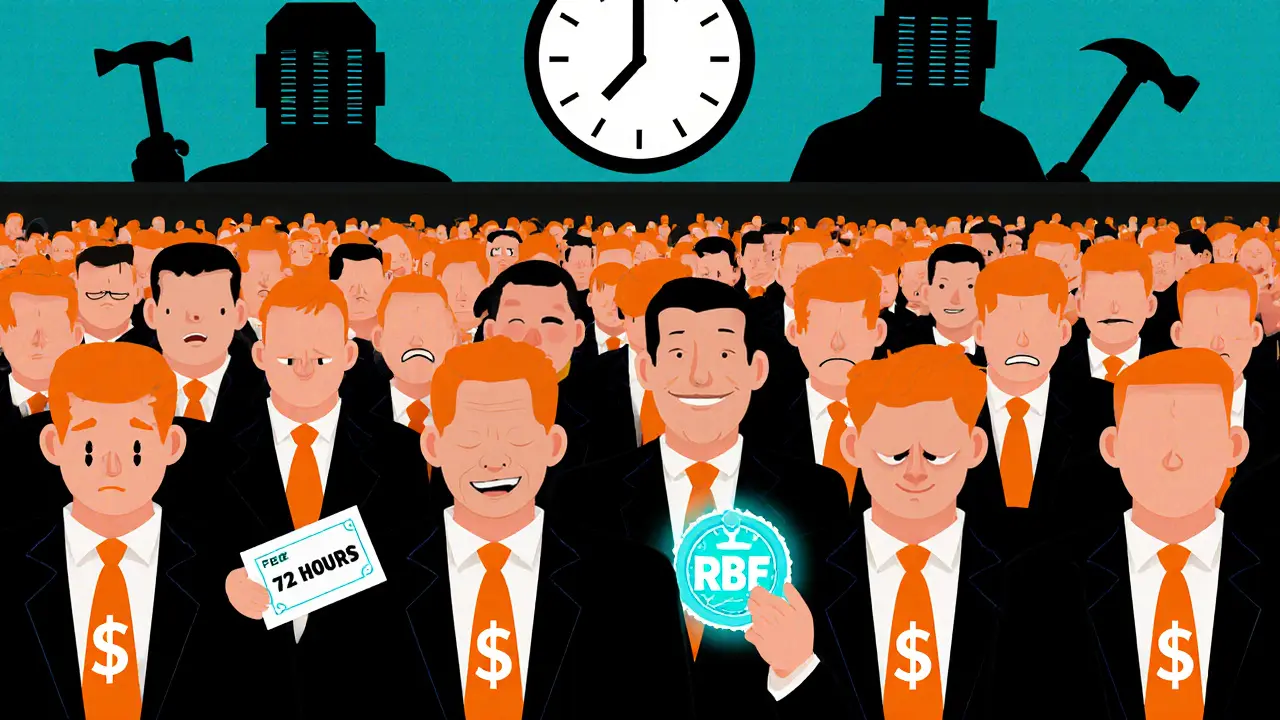
How to Clear Stuck Bitcoin Transactions from the Mempool
Learn how to clear stuck Bitcoin transactions from the mempool using Replace-by-Fee, CPFP, accelerators, or waiting it out. Fix low-fee transactions fast without losing funds.
Read More