UPTX Crypto Exchange Review: Is It Safe or a Scam in 2026?
 May, 17 2026
Is UPTX a Legitimate Crypto Exchange?
If you’ve stumbled upon UPTX, you’re likely looking for a place to trade Bitcoin or Ethereum without the hassle of big-name platforms. But here is the hard truth: trading on an unverified platform is like handing your wallet to a stranger at a bus stop. You might get lucky, but the odds are stacked against you. As of mid-2026, UPTX is a multi-asset trading platform that claims to offer cryptocurrency, stock, and forex trading but lacks verifiable regulatory licenses and transparent operational data. The red flags surrounding this platform are not just minor complaints; they are structural warnings that suggest high risk for anyone depositing funds.
We need to look past the glossy marketing and the "global leader" claims found on their app store listings. When we dig into user reports, regulatory records, and technical transparency, a different picture emerges. This isn’t about finding a hidden gem; it’s about understanding why experienced traders avoid platforms that operate in the shadows. If you are considering moving money to UPTX, pause and read this entire breakdown. Your financial security depends on knowing who holds the keys to your assets.
The Transparency Problem: Why Volume Data Matters
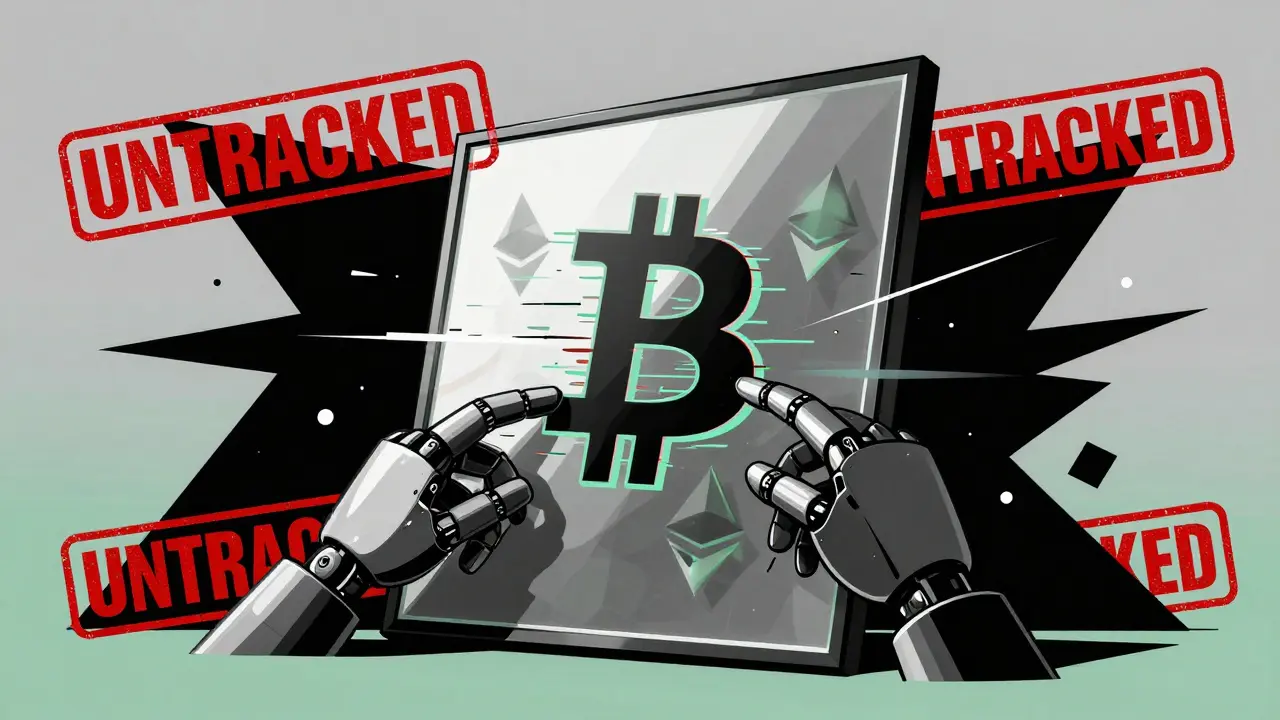
In the crypto world, liquidity is king. A healthy exchange needs deep order books so you can buy or sell large amounts without crashing the price. Major exchanges like Binance or Coinbase publish real-time volume data because they have nothing to hide. UPTX, however, operates with what CoinMarketCap explicitly labels as "untracked trading volume."
What does this mean for you? It means there is no independent verification that actual trades are happening. In many shady schemes, fake volume is generated by bots to create the illusion of activity. Without verifiable volume, you cannot trust the price you see. You might think you are buying Bitcoin at $60,000, but if there is no real liquidity, the platform could be manipulating prices to trap your funds. This lack of transparency is a primary indicator used by regulators to identify potential fraud.
- No Proof of Reserves: Unlike Kraken, which publishes regular audits showing they hold user assets, UPTX provides zero evidence of solvency.
- Absence from Rankings: UPTX does not appear in top 100 exchange lists on reputable trackers like CoinMarketCap or CoinGecko, indicating minimal market presence.
- Fake Activity Risk: Untracked volume often correlates with wash-trading, where the exchange buys and sells to itself to inflate stats.
User Experiences: The Withdrawal Nightmare
You can ignore marketing slogans, but you cannot ignore the people who actually tried to use the service. User feedback for UPTX reveals a consistent pattern of distress, particularly regarding withdrawals. On the Google Play Store, while the average rating sits at a deceptive 4.2 stars, a deep dive into the negative reviews tells a scary story.
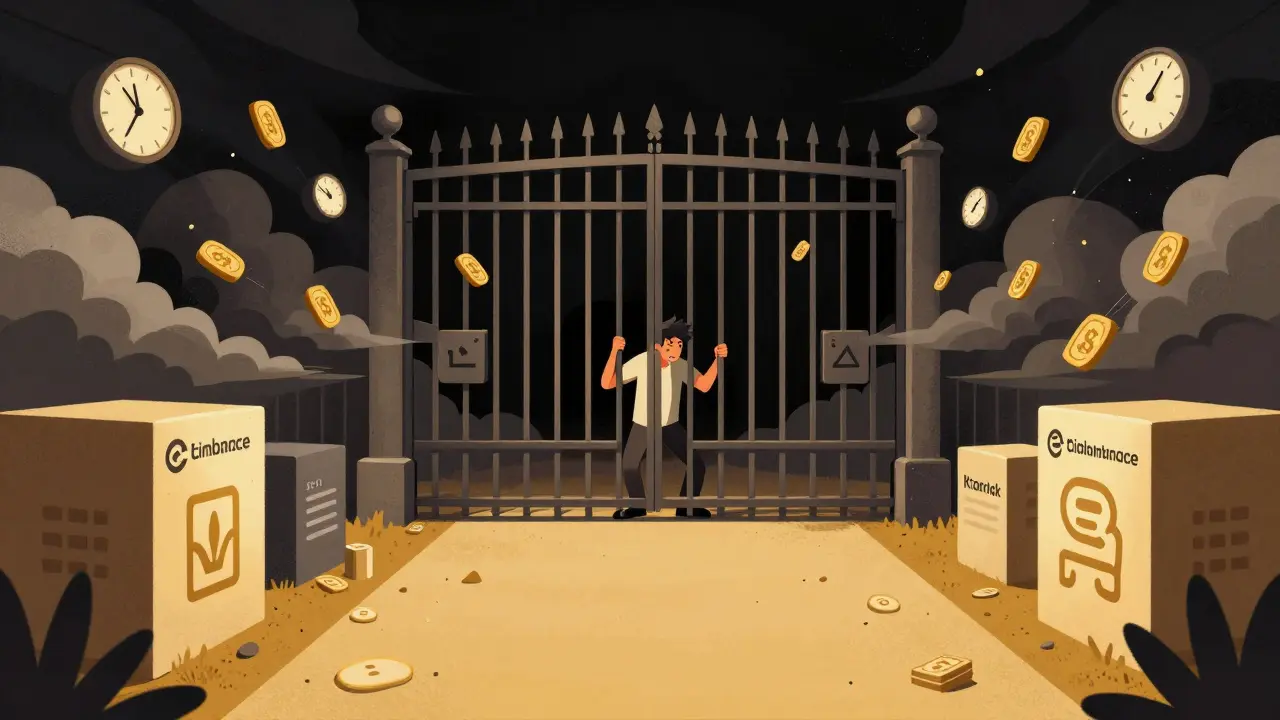
According to aggregated data from late 2025, approximately 68% of negative reviews specifically mention "withdrawal issues" and "unresponsive customer support." One common scenario described by users involves depositing funds via bank transfer, seeing the balance update instantly, and then facing endless delays when trying to withdraw. Users report accounts being placed "under review" for weeks without explanation. This is a classic tactic known as "gatekeeping," where platforms allow deposits to build cash flow but freeze withdrawals to prevent capital flight.
Reddit threads in communities like r/CryptoCurrency serve as early warning systems. Multiple posts titled "Beware of UPTX" detail similar experiences, with hundreds of upvotes and corroborating comments. When a platform has a reputation for trapping funds, it is not a glitch; it is a business model designed to extract value from users rather than facilitate trade.
| Feature | UPTX | Regulated Exchanges (e.g., Coinbase, Kraken) |
|---|---|---|
| Regulatory License | None identified (US/EU/UK) | Licensed by SEC, FCA, ASIC, etc. |
| Volume Transparency | Untracked / Hidden | Publicly verified on aggregators |
| Withdrawal Speed | 72+ hours or blocked | Usually under 24 hours |
| Security Audits | None published | Regular third-party audits |
| Cold Storage Policy | Undisclosed | 95-98% assets in cold storage |
Regulatory Red Flags: Operating in the Gray Zone
The most critical factor in choosing a crypto exchange is regulation. In 2026, global financial authorities are cracking down harder than ever on unlicensed entities. The United States Securities and Exchange Commission (SEC), the UK’s Financial Conduct Authority (FCA), and Australia’s Australian Securities and Investments Commission (ASIC) all maintain public lists of registered Virtual Asset Service Providers (VASPs).
UPTX is absent from these lists. This absence is not accidental. It means the platform is not subject to anti-money laundering (AML) checks, know-your-customer (KYC) standards enforced by law, or consumer protection laws. If UPTX goes bankrupt, disappears overnight, or decides to steal your funds, you have no legal recourse. There is no insurance fund, no ombudsman, and no government agency that will help you recover your losses.
Furthermore, the platform’s claim of using "open source code" is vague and unverified. Legitimate open-source projects have public GitHub repositories where developers can audit the code for backdoors or vulnerabilities. UPTX provides no such link, making this claim a hollow marketing buzzword rather than a security feature.
Technical Limitations and Security Risks
From a technical standpoint, UPTX offers little advantage over established competitors. Their mobile application, available on Android, requires version 8.0 or later but lacks advanced charting tools, API integrations for algorithmic trading, or two-factor authentication (2FA) options beyond basic SMS codes (which are easily hacked).
Compare this to industry standards. Top-tier exchanges offer hardware key integration, biometric login, and detailed transaction history exports for tax purposes. UPTX users report poor documentation and FAQs that do not address real-world problems. The interface may look clean, but it is a shallow layer over a potentially dangerous infrastructure. Without proof of cold storage policies, you must assume your assets are kept in "hot wallets" connected to the internet, making them prime targets for hackers.
Who Should Avoid UPTX?
This platform is unsuitable for almost every type of trader. Here is a breakdown of why specific groups should stay away:
- Beginners: New investors need educational resources and reliable support. UPTX’s unresponsive customer service leaves beginners stranded when mistakes happen.
- Tax-Conscious Traders: With no clear transaction history export or compliance reporting, calculating your capital gains tax will be a nightmare.
- Large Investors: Without deep liquidity, large orders will suffer from massive slippage, meaning you lose value instantly upon execution.
- Security-Focused Users: If you prioritize self-custody or audited security, UPTX offers neither.
Safer Alternatives for Trading in 2026
Instead of risking your capital on an opaque platform, consider exchanges that have stood the test of time and regulatory scrutiny. These platforms provide the transparency and security features that protect your investment.
Coinbase remains the gold standard for US-based users due to its NASDAQ listing and strict compliance. For those seeking lower fees and advanced tools, Kraken offers robust security with a long track record of never being hacked. International users often prefer Bybit or OKX, which offer deep liquidity and comprehensive features while maintaining clearer operational frameworks than shadow platforms like UPTX.
Always remember: if an exchange asks you to trust them blindly without providing proof of reserves, regulatory licenses, or verifiable volume, they are asking for too much faith. Your money is hard-earned; do not gamble it on a platform that refuses to show its hand.
Frequently Asked Questions
Is UPTX regulated by any major financial authority?
No. As of 2026, UPTX does not hold licenses from major regulatory bodies such as the SEC (USA), FCA (UK), or ASIC (Australia). It is also not listed as a registered VASP with the Financial Action Task Force (FATF), which raises significant concerns about its legal standing and consumer protections.
Can I withdraw my money from UPTX?
Many users report severe difficulties withdrawing funds. Reviews indicate that withdrawals are often delayed for over 72 hours or blocked entirely under vague "account review" pretenses. This pattern is consistent with platforms that restrict capital outflows to retain deposited funds.
Why is UPTX not listed on CoinMarketCap?
While UPTX may appear in some directories, its trading volume is marked as "untracked" by CoinMarketCap. This usually means the exchange does not provide verifiable data proving real trading activity, leading to exclusion from serious rankings and suggesting potential manipulation of volume statistics.
Is UPTX safe for beginners?
Absolutely not. Beginners require platforms with responsive customer support, clear fee structures, and educational resources. UPTX lacks these essentials and poses a high risk of fund loss due to its unregulated status and reported withdrawal issues.
What are the best alternatives to UPTX?
For safety and reliability, consider regulated exchanges like Coinbase or Kraken. For international users seeking lower fees and advanced features, Bybit and OKX are widely regarded as safer, more transparent alternatives with proven track records and verifiable liquidity.
Jesse Alston
May 18, 2026 AT 03:56I totally get where you're coming from regarding the risks, but let's look at the practical side too! 🛑
The point about 'untracked volume' is huge because without real liquidity, you literally cannot sell when you need to. It’s not necessarily a conspiracy, it’s just bad business practice mixed with potential fraud. If CoinMarketCap can’t verify the trades, then who is buying and selling? Probably bots. 🤖
I’d strongly recommend sticking to platforms like Kraken or Coinbase since they undergo regular audits. It’s better to pay slightly higher fees than to lose everything to a rug pull. Stay safe out there! 💪📉
Sarah C
May 18, 2026 AT 21:12This breakdown is incredibly thorough and helpful. Thank you for highlighting the lack of regulatory licenses. It is so easy to get swept up in the hype of new platforms promising high returns, but the absence of basic security measures like proof of reserves is a massive red flag. I always prefer to stick with established exchanges that are transparent about their operations. It gives me peace of mind knowing my funds are protected by law.
Kimberly Herbstritt
May 20, 2026 AT 16:55Hey, actually, I’m not sure we should be this quick to judge. Sometimes these smaller platforms are just trying to find their footing in a crowded market. Maybe the withdrawal delays are due to manual verification processes rather than malicious intent? I’ve heard some users had positive experiences with customer support once they got through the initial wait. It might be worth giving them a chance before writing them off completely!
Sharada Vakkund
May 21, 2026 AT 19:16Let’s bring everyone together on this important topic! Whether you are skeptical like Yash or cautious like Sarah, the core issue remains: transparency. We all deserve to know where our money goes. Instead of attacking each other’s perspectives, let’s focus on educating ourselves about what legitimate exchanges look like. For those interested, checking the official lists from the SEC or FCA is a great first step. Let’s support each other in making informed decisions and avoiding scams. Together, we can build a safer crypto community! 🌟