Bird Finance BIRD Airdrop: Details, Eligibility & Reality Check
 Sep, 1 2026
Have you ever stared at your screen wondering if that shiny new BIRD token in your wallet is actually worth something, or just another ghost from the early DeFi days? You are not alone. The hype cycle around cryptocurrency moves faster than most of us can track, and when projects like Bird Finance promise free tokens, it’s easy to get swept up in the excitement. But here is the cold water reality: as of September 2026, the landscape for the BIRD airdrop has shifted dramatically from the promises made years ago. If you are digging through old forums hoping for a payout, you need to know exactly where things stand before you waste time connecting your wallet to sketchy links.
The Core Promise vs. Current Reality
Let’s cut through the noise. Bird Finance was designed as a decentralized finance (DeFi) platform focused on smart pool functionality and lending services, utilizing its native governance token, BIRD. The initial pitch was seductive: automated yield farming across multiple chains, hyper-deflationary tokenomics, and community-driven governance. The project claimed to automatically seek optimal reward mining pools to maximize profits. Sounds great, right? But the execution didn’t always match the marketing. The core issue isn’t just about whether the airdrop happened; it’s about which "Bird" you’re talking about. This is where many investors got burned. There were multiple projects using similar names-Birdchain, a messaging app, and Birds, a Telegram game on the Sui blockchain-both distributing their own versions of BIRD tokens. This naming collision created massive confusion. When you search for "BIRD airdrop," you might find data for three different projects. For this article, we are focusing strictly on the original Bird Finance DeFi protocol.
How the Tokenomics Worked (And Why It Matters)
To understand why the airdrop value fluctuated so wildly, you have to look at the mechanics. Bird Finance operated on a hyper-deflationary model. Upon launch, 50% of the total BIRD supply was sent to a blackhole address, effectively removing it from circulation forever. That sounds bullish, but it also meant liquidity was tight from day one. Every transaction involving BIRD carried a 6% fee. Here is how that pie was sliced:
- 2% Liquidity Pool: Sent to decentralized exchanges to keep trading smooth.
- 2% DAO Governance: Reserved for community decision-making funds.
- 2% Holder Rewards: Distributed proportionally to everyone holding BIRD.
Airdrop Eligibility and Participation Steps
If you were trying to claim an airdrop back in late 2024 or early 2025, the process wasn’t exactly straightforward. The team outlined specific criteria, but enforcement was often murky due to technical delays. Generally, eligibility hinged on three main pillars:
- Wallet Connection: You had to connect a compatible Web3 wallet (like MetaMask or Trust Wallet) to the official Bird Finance dashboard. Note: "Official" is key here, given the number of phishing sites that popped up.
- Social Engagement: Participants were required to follow Bird Finance accounts on Twitter/X and join their Telegram groups. This was standard practice to build community metrics.
- Token Holding Thresholds: Some tiers required users to hold a minimum amount of BIRD or related assets (like Btoken) during a snapshot period.
Many users reported issues with the "snapshot" timing. Was it based on the date of registration? The date of social media verification? Or a random block height? The lack of clear documentation led to frustration, especially when the originally promised listing date of November 30, 2024, slipped into Q1 2025, and then further into uncertainty.
The Multi-Chain Complication
Bird Finance wasn’t just on Ethereum. It touted cross-chain integration across Solana, HECO, OKExChain, and Ethereum. This was supposed to be a feature, allowing users to stake assets on cheaper chains and earn rewards. In practice, it became a bugbear for airdrop hunters.
| Project Name | Blockchain | Primary Function | Airdrop Status (2026 View) |
|---|---|---|---|
| Bird Finance | Multi-chain (ETH, Solana, HECO) | DeFi Yield Farming & Lending | Largely inactive; low liquidity |
| Birdchain | Proprietary/Layer 1 | Decentralized Messaging | Distributed 1M BIRD tokens |
| Birds (Sui) | Sui | Telegram Mini App Game | TGE scheduled Dec 2024 |
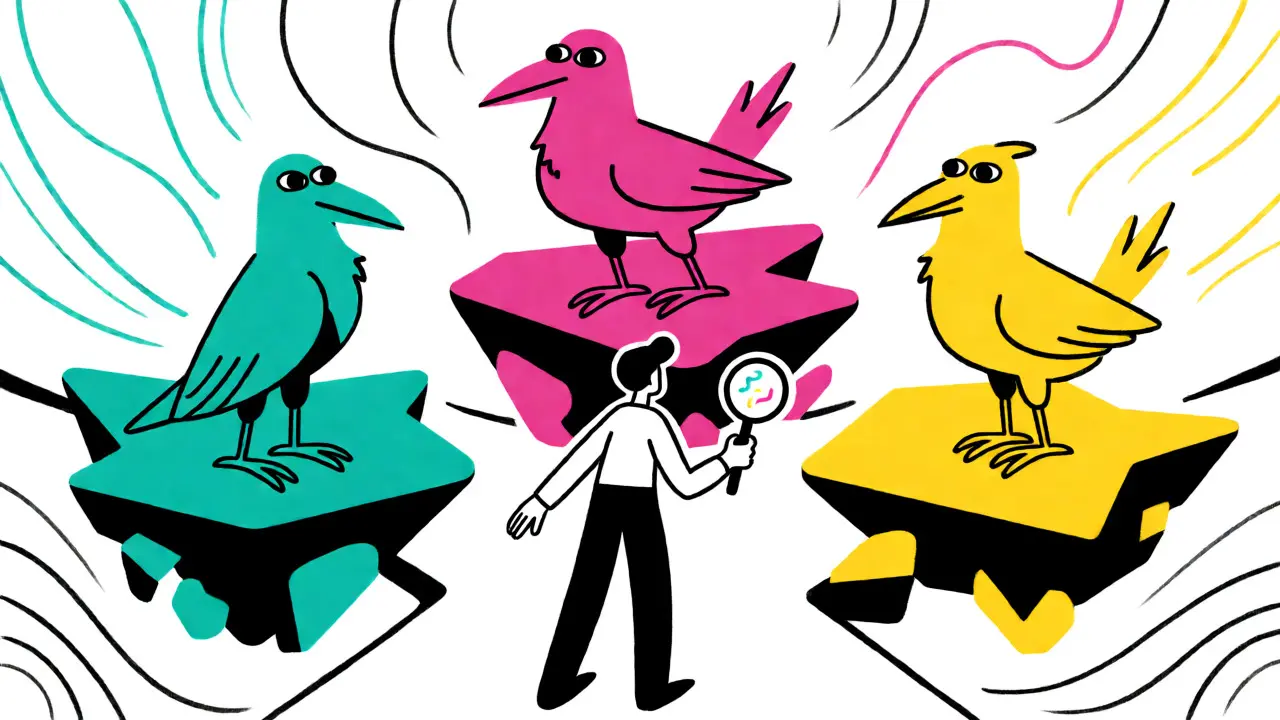
This table highlights the critical mistake many investors made. They saw "BIRD" and assumed all news applied to their holdings. If you participated in the Birds game on Sui, your airdrop came from a completely different codebase than the DeFi protocol. Checking the contract address is non-negotiable. If you don’t verify the contract, you might be chasing a ghost.
What Happened After the Delay?
By mid-2025, the silence from the Bird Finance team grew louder than any announcement. The postponement from November 2024 to Q1 2025 was attributed to "technical development challenges" and regulatory compliance. But in the crypto world, prolonged silence usually signals one of two things: a pivot or a slow death. As of September 2026, Bird Finance does not appear in major aggregator lists like CoinGecko or CoinMarketCap with significant active trading volume. The "smart pool" algorithms that promised auto-compounding returns seem to have stopped optimizing effectively. While some pockets of the community still trade small amounts of BIRD on decentralized exchanges (DEXs), the centralized exchange listings that were hinted at never fully materialized in a way that provided deep liquidity.
Risks You Should Have Known About
If you are looking back at this project to learn, or if you still hold bags, consider these risks that defined the Bird Finance experience:
- Smart Contract Vulnerabilities: Detailed audit reports were scarce. Without transparent, third-party audits from firms like CertiK or Hacken, users were trusting code they couldn’t read.
- Regulatory Uncertainty: Operating across four different chains with different regulatory frameworks (especially US-based concerns regarding securities) made the team cautious, leading to delays.
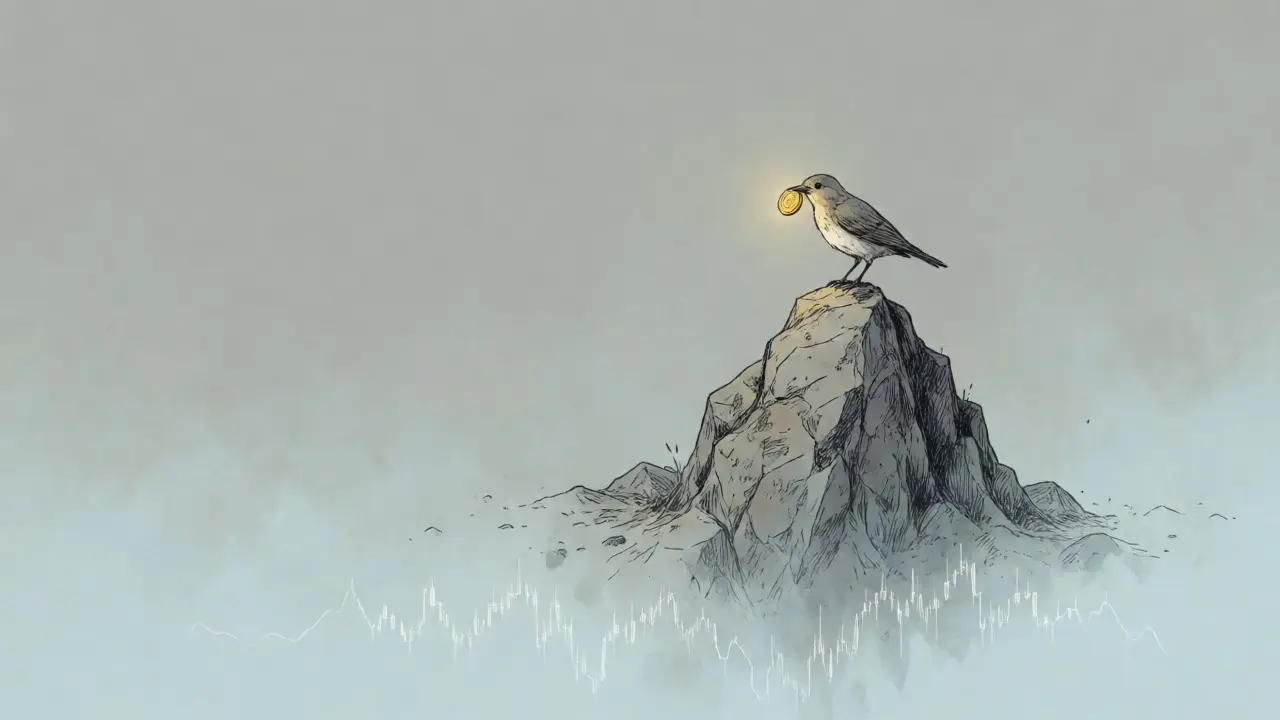
- Market Manipulation: With low liquidity, a single large sell-off could crash the price by 50% in minutes. This makes airdrops tricky; you might receive tokens that are worthless by the time you try to swap them.
Verifying Your Airdrop Today
So, what should you do if you think you missed out or want to check your balance? First, stop clicking random links on Twitter. Go to a block explorer relevant to the chain you used (e.g., Etherscan for Ethereum, Solscan for Solana). Paste your wallet address. Look for incoming transactions labeled "BIRD" or "Bird Finance." Check the contract address against historical records from 2023-2024. If you see tokens, check their current price on a DEX aggregator like Uniswap or Raydium. Be prepared for high slippage. If the price is near zero, selling might cost more in gas fees than the token is worth. Sometimes, holding is better than realizing a loss on a micro-cap asset.
Is the Bird Finance BIRD airdrop still live in 2026?
Generally, no. Most official airdrop campaigns for the original Bird Finance DeFi protocol concluded in 2024 and early 2025. Any current claims of "live" airdrops are likely scams or refer to different projects with similar names, such as the Birds game on Sui. Always verify the contract address before connecting your wallet.
Why did the BIRD airdrop get delayed?
Delays were primarily caused by technical complexities in cross-chain integration, regulatory compliance checks, and the need to stabilize the smart pool algorithms. Additionally, the broader bear market conditions in late 2024 reduced the urgency for immediate listings.
How do I distinguish between Bird Finance and other BIRD tokens?
Check the blockchain network and the smart contract address. Bird Finance operated on Ethereum, Solana, HECO, and OKExChain. Other projects like Birdchain or the Sui-based Birds game use different networks and contracts. Never rely solely on the ticker symbol "BIRD."
Can I still buy BIRD tokens today?
Yes, but liquidity is very low. You can typically find BIRD on decentralized exchanges (DEXs) rather than major centralized exchanges like Binance or Coinbase. Expect higher slippage and wider bid-ask spreads due to the limited trading volume.
Was the Bird Finance airdrop profitable?
For early participants who sold immediately upon distribution, results varied. Many users found that the token's value depreciated significantly after the initial hype faded. Those who held long-term faced a challenging market environment, making profitability difficult without active trading strategies.
Final Thoughts for Crypto Hunters
The story of Bird Finance is a classic cautionary tale of the DeFi era. Great ideas-like cross-chain yield optimization-don’t always translate to sustainable value if execution lags behind hype. If you are hunting for the next big airdrop, prioritize projects with transparent audits, active developer teams, and clear differentiation from competitors. Don’t let a familiar name blind you to the details. Verify everything, trust nothing, and keep your private keys safe.
liam & the bees
September 1, 2026 AT 08:37Brilliant breakdown of the situation, mate. It’s always tricky when multiple projects share similar branding like Birdchain or the Sui game, so verifying contract addresses is absolutely critical before anyone connects their wallet.
I’ve seen this confusion trip up a lot of folks in the Irish crypto community too, where people assume 'BIRD' means one thing when it’s actually three different ecosystems entirely. Your point about checking block explorers directly rather than trusting social media links is spot on and saves everyone from potential phishing disasters.
Matthew O'Neill
September 2, 2026 AT 03:30The entire premise of hyper-deflationary tokenomics was a fundamental misunderstanding of market mechanics by the dev team. Burning supply does not create demand if the utility value is zero and the smart contracts lack rigorous third-party audits from reputable firms like CertiK.
You are essentially describing a liquidity trap where the deflationary pressure merely creates an illusion of scarcity while actual trading volume evaporates into thin air. The cross-chain integration was not a feature but a liability that fragmented the user base across four incompatible regulatory environments without providing sufficient incentive for migration.
This project failed because it prioritized marketing buzzwords over sustainable economic design, resulting in a governance token with no real voting power and a treasury that drained faster than the yield could replenish it. Investors who bought into the narrative ignored the glaring red flags of anonymous teams and delayed listings which are classic indicators of rug-pull dynamics in DeFi.
The silence from the team in mid-2025 was not a technical delay but a strategic retreat to avoid legal repercussions regarding securities classifications in multiple jurisdictions simultaneously. Any remaining holders are now trapped in illiquid DEX pools where slippage costs exceed the marginal gains from any potential price recovery.
We must stop romanticizing these early DeFi experiments and recognize them for what they were: speculative vehicles designed to extract capital from retail investors under the guise of innovative financial technology. The lesson here is clear that without transparent code and active development, a token is just a digital IOU with no backing whatsoever.
Aaliyah Simpson
September 3, 2026 AT 17:22They definitely ruggged us and the delays were just stalling tactics to let insiders dump their bags before the public even got a chance to claim anything properly.
Paul Needham
September 5, 2026 AT 17:05Oh wow, another person claiming they knew all along. How original. You’re acting like you had insider info on the regulatory compliance issues that nobody else could see coming in late 2024.
It’s easy to be a genius in hindsight when the chart looks like a cliff edge falling off the world. But let’s be real, most of us were just trying to farm some yield on a platform that promised safety and delivered nothing but empty promises and broken bridges.
Your tone suggests you never lost a single cent on these kinds of things, which tells me you either didn’t participate or you’re lying about your experience. I’m tired of seeing people act like experts after the fact when they were silent during the hype cycle.
Maybe next time you can offer some actual advice instead of just kicking someone while they’re already down with their worthless tokens. We get it, you’re smart, you didn’t buy, congratulations on your imaginary victory.
Edward Ogunfolaju
September 6, 2026 AT 06:32Stop crying! The market rewards those who stay sharp and verify everything before clicking! If you fell for the naming collision between Bird Finance and Birds on Sui, that is on you for not doing basic due diligence!
You need to treat every airdrop like a minefield because one wrong step and you lose your keys or your money forever. Check the contract address every single time until it becomes muscle memory for your brain!
Do not let emotions drive your decisions when you are dealing with micro-cap assets that have no real institutional support behind them. Stay aggressive, stay informed, and do not let lazy habits cost you your portfolio performance!
Liam Grimes
September 8, 2026 AT 02:19Agreed totally with the points above. I remember trying to figure out which snapshot date mattered and it was such a headache honestly. Half the time i thought i missed out but then found out the telegram group was just full of bots anyway.
Its crazy how much time we wasted chasing ghosts back then. Now i just ignore anything without a certik audit or something similar. Better safe than sorry right?
Also the gas fees on eth were brutal for small claims so solana was better for me at least. Hope everyone keeps their heads up and learns from this mess.
Martha Packard
September 9, 2026 AT 05:58You are all missing the philosophical void at the center of this transaction. Value is a collective hallucination agreed upon by fools, and BIRD was simply the latest iteration of our shared delusion regarding digital ownership.
To argue about eligibility criteria is to miss the point that the concept of 'ownership' in Web3 is inherently flawed because you do not own the code, you merely rent access to it. The developers held the true power, and the community was merely performing rituals of belief to validate their existence.
Why do we cling to these tokens? Is it greed or is it a desperate attempt to find meaning in a chaotic universe through numerical abstraction? The airdrop was never about money; it was about belonging to a tribe that eventually disbanded when the leader walked away.
Your anger is justified but misplaced because you are blaming the system for behaving exactly as it was designed to behave. Exploitation is the default state of decentralized finance, and expecting fairness is a naive projection of human morality onto algorithmic indifference.
Let go of the attachment to the outcome and realize that the journey was the only reality. The rest is just noise generated by servers humming in cold data centers far away from our emotional turmoil.
Jillian Pye
September 9, 2026 AT 15:54I appreciate the depth of reflection here. It feels important to acknowledge the emotional weight these losses carry beyond just the financial metrics. 🌿
We often forget that behind every wallet address is a person hoping for stability or freedom. Maybe the real lesson isn't about auditing codes but about understanding our own relationship with hope and uncertainty in these digital spaces.
Taking a breath and stepping back might help us see the patterns more clearly without letting bitterness cloud our judgment. Peace to everyone navigating this complex landscape. ✨