Bitfare Crypto Exchange Review: Is It a Scam? Red Flags & Horizen Warning
 Aug, 22 2026
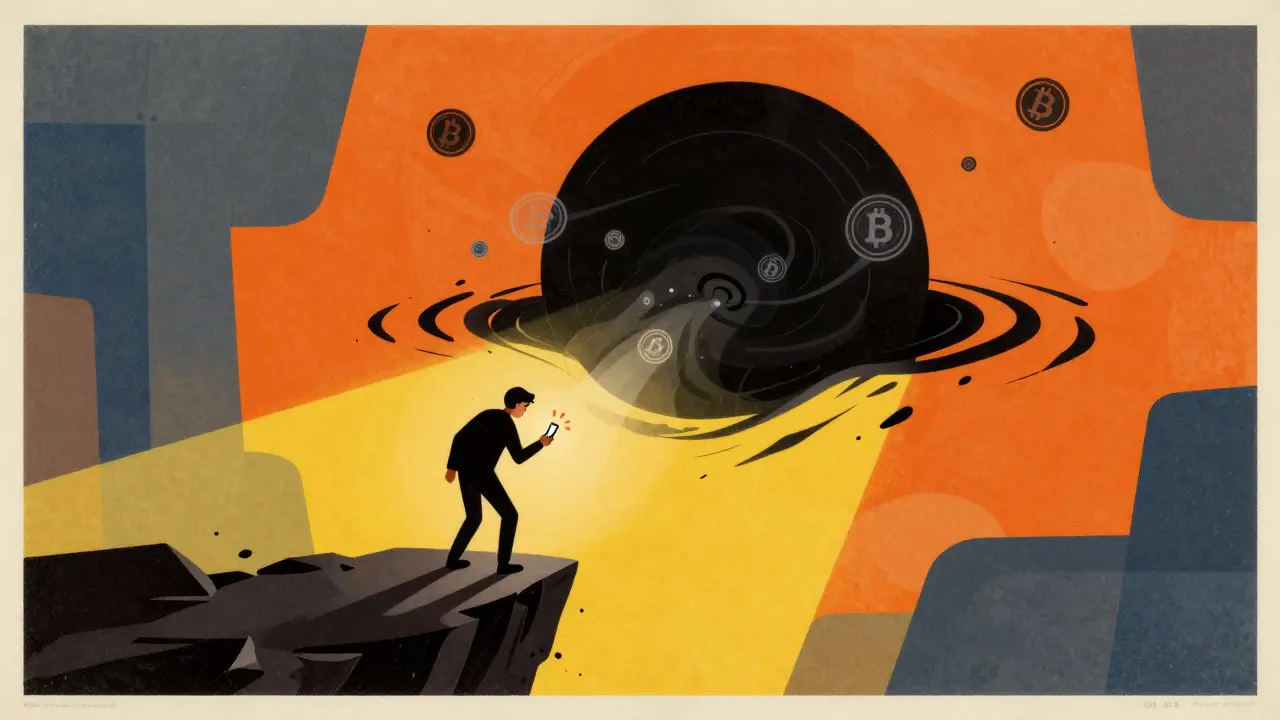
Imagine logging into a new Cryptocurrency Exchange that promises easy trading for dozens of tokens. You deposit your funds, excited to trade. Then, you realize the platform has vanished, or worse, the token issuer itself warns you not to use it. This is exactly what happened with Bitfare.io, a Wellington-headquartered exchange that came under fire in mid-2023.
You might be wondering if this platform is still active or if it’s safe to join now. The short answer? Proceed with extreme caution. In July 2023, Horizen, the issuer of ZEN tokens, issued an official warning stating that Bitfare was "possibly running a fraudulent service." For a legitimate project like Horizen to make such a claim without receiving a response from the exchange within 48 hours is a massive red flag. Let’s break down what we know about Bitfare, why it triggered such a strong reaction, and how you can protect yourself from similar traps.
The Horizen Warning: A Major Red Flag
The story doesn’t start with user complaints on Reddit; it starts with a direct warning from a major blockchain project. On July 17, 2023, Finance Magnates reported that Horizen explicitly advised its community against using Bitfare. The message was clear: do not send ZEN, or any other cryptocurrency, to Bitfare.io. Why would a legitimate project issue such a stark warning?
Usually, when an exchange lists a token, there is some level of communication between the two parties. If issues arise, exchanges typically respond quickly to clarify facts. However, according to reports, Bitfare failed to respond to Horizen’s allegations for at least 48 hours. In the fast-paced world of crypto, silence often speaks louder than words. Legitimate platforms, like bitFlyer or BYDFi, maintain open lines of communication with their partners and users. Bitfare’s silence suggested either poor management or a deliberate attempt to avoid scrutiny.
This incident highlights a critical rule in crypto investing: always check if the token issuer supports the exchange. If the project team warns you away, listen to them. They know their own ecosystem better than anyone else.
What Was Bitfare Promising?
Founded in September 2022, Bitfare.io positioned itself as a standard digital asset exchange. Its website claimed to list dozens of cryptocurrencies, including both mainstream coins and lesser-known altcoins. Users could trade these assets against six base currencies: BTC, ETH, BSV, USDT, USDC, and TRX. On paper, this looked like a typical exchange offering liquidity across multiple networks.
However, the lack of verifiable details raised questions. Unlike established players, Bitfare did not publish transparent proof-of-reserves audits. There were no independent security certifications. The claimed headquarters in Wellington, New Zealand, could not be easily verified through public business registries. In contrast, reputable exchanges provide detailed information about their legal entities, regulatory licenses, and physical locations. For example, bitFlyer holds licenses in the US, EU, and Japan, providing a clear trail of legitimacy. Bitfare lacked this transparency entirely.

Comparing Bitfare to Legitimate Exchanges
To understand why Bitfare stood out negatively, let’s compare it to well-known, regulated platforms. The table below highlights key differences in transparency and security.
| Feature | Bitfare.io | bitFlyer | BYDFi |
|---|---|---|---|
| Regulatory Licenses | None verified | US, EU, Japan | Multiple jurisdictions |
| Proof of Reserves | No public data | Regularly published | Audited by third parties |
| User Base Size | Unknown | 3 million+ users | 1 million+ users |
| Security Track Record | Unverified | 7 years no hacks (as of 2023) | High ratings on app stores |
| Response to Issues | Silent (48+ hours) | Transparent updates | 24/7 Support |
Notice the gap? Bitfare lacks the foundational trust markers that keep investors safe. When Bittrex Global faced liquidation challenges in 2024, they communicated regularly with users, providing specific dates for withdrawal re-enablings. Bitfare offered no such clarity. This lack of communication is a hallmark of many fraudulent operations where the goal is to collect deposits before disappearing.
The Broader Context of Crypto Fraud
Bitfare wasn’t operating in a vacuum. In 2023, the cryptocurrency industry faced increased regulatory scrutiny and a rise in scams. According to Chainalysis’ 2023 Crypto Crime Report, scam exchanges accounted for 31% of all cryptocurrency fraud losses in 2022, totaling $3.78 billion. This statistic underscores how prevalent these risks are. Many fraudulent platforms mimic the look and feel of legitimate exchanges, using professional websites and promising high returns or low fees to lure users in.
The market context matters because it shows that while the total crypto exchange market was valued at approximately $6.85 billion in 2023, a significant portion of risk comes from unregulated entities. Legitimate players like Bitfinex, founded in 2012, have maintained long-term stability through compliance and liquidity. Bitfare, having launched just months before the Horizen warning, had no time to build this reputation. Its rapid rise and subsequent controversy fit the pattern of many short-lived scam exchanges that vanish within six months of launch.
How to Verify Any Crypto Exchange
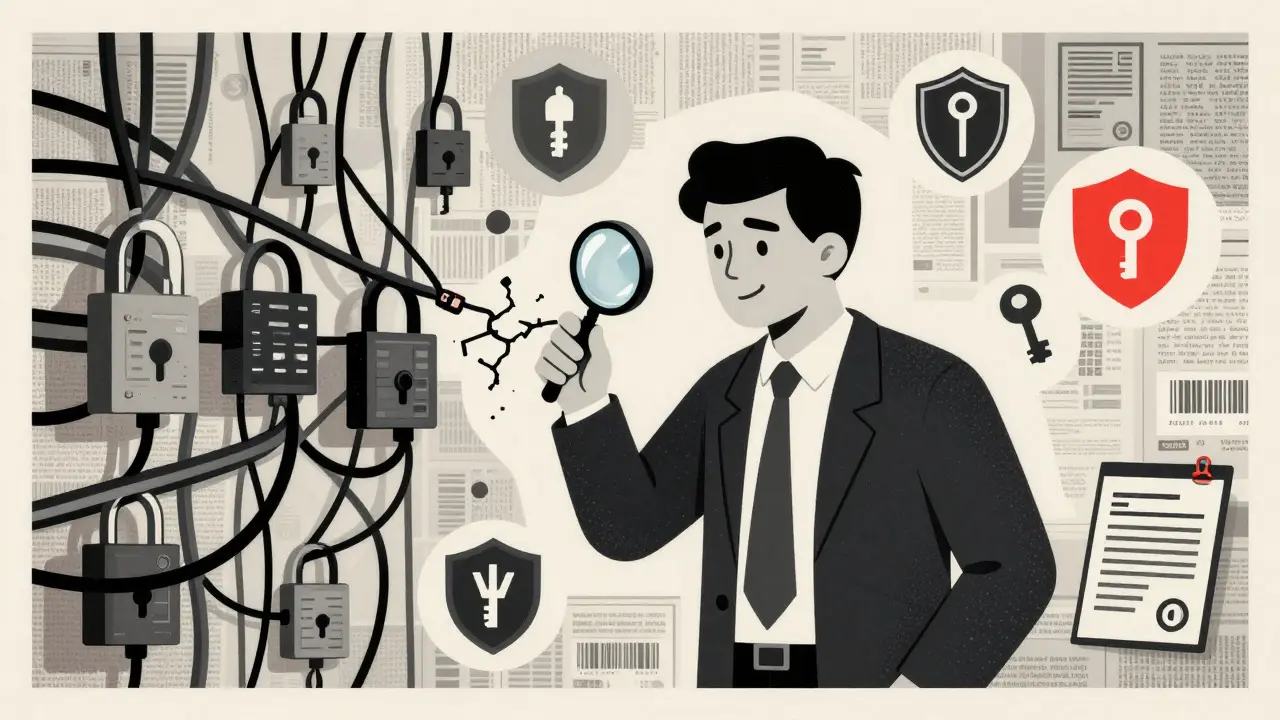
So, how do you avoid falling for the next Bitfare? Here is a practical checklist you should follow before depositing funds into any new platform:
- Check Regulatory Status: Does the exchange hold licenses in recognized jurisdictions? Look for mentions of regulators like the SEC, FCA, or local financial authorities.
- Verify Proof of Reserves: Reputable exchanges publish regular attestations showing they hold enough assets to cover user liabilities.
- Look for Third-Party Audits: Independent security firms should audit the platform’s smart contracts and wallet infrastructure.
- Search for Community Feedback: Check Reddit, Twitter, and Trustpilot for genuine user experiences. Absence of reviews is a warning sign.
- Contact Token Issuers: If you plan to trade a specific token, ask the project team if they officially support the exchange.
- Test Small Deposits: Start with a small amount to test withdrawal speeds and customer support responsiveness.
For instance, when bitFlyer expanded its services, users could verify their multi-jurisdictional compliance directly on the website. This transparency builds trust. If a platform hides its legal structure or avoids answering basic questions, it’s likely safer to walk away.
Current Status and What It Means for You
As of late 2023, Bitfare.io appears to be non-operational or deliberately avoiding engagement following the Horizen warning. There have been no documented communications since the initial allegations. This silence aligns with the behavior of many fraudulent exchanges that cease operations after collecting user funds. Industry data suggests that 85% of fraudulent exchanges stop functioning within six months of launch. If you have funds stuck on Bitfare, recovery may be difficult without legal intervention, but the primary takeaway is to avoid similar platforms in the future.
The lesson here isn’t just about Bitfare; it’s about due diligence. The crypto space moves fast, and new exchanges pop up daily. Some are innovative, but others are traps. By sticking to verified, regulated platforms and checking for the red flags mentioned above, you significantly reduce your risk of losing assets to a scam.
Is Bitfare.io a confirmed scam?
While not legally declared a scam by a court, Bitfare.io is widely considered high-risk due to the official warning from Horizen and the lack of response from the exchange. The absence of regulatory licenses and proof of reserves further supports the view that it operated without proper oversight.
Why did Horizen warn against Bitfare?
Horizen warned its community that Bitfare was possibly running a fraudulent service. The warning was issued after Bitfare failed to respond to inquiries within 48 hours, raising concerns about the platform's legitimacy and intent to scam customers.
What should I do if I deposited funds into Bitfare?
If you still have access to your account, try to withdraw funds immediately. If withdrawals are blocked, document all transactions and contact consumer protection agencies in your jurisdiction. Recovery is difficult, so prevention is key.
How can I tell if a crypto exchange is legitimate?
Look for regulatory licenses, published proof of reserves, third-party security audits, and active community feedback. Legitimate exchanges also maintain transparent communication channels and respond promptly to issues.
Are there other exchanges similar to Bitfare that I should avoid?
Any exchange lacking verifiable regulatory status, proof of reserves, or community presence should be treated with suspicion. Always cross-reference new platforms with trusted sources like Finance Magnates or CoinDesk before depositing large sums.