Blockchain Content Monetization Models: A Creator’s Guide to Earning in 2026
 Jun, 12 2026
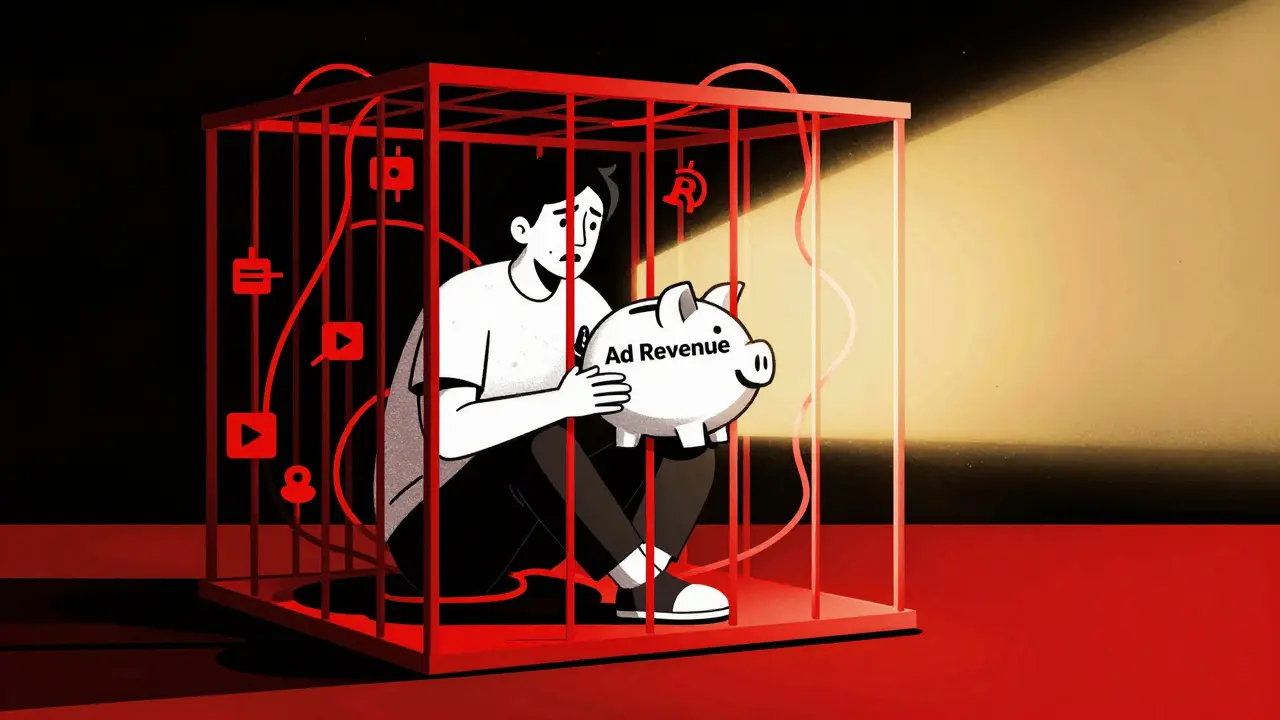
For years, digital creators have been trapped in a cycle of dependency. You build an audience on a platform, and that platform decides how much of your hard-earned money you get to keep. One day you’re fine; the next, an algorithm change or a demonetization strike wipes out your income. It’s a precarious existence. But what if you could own your distribution? What if the technology itself guaranteed you got paid, every single time someone accessed your work?
This is the promise of blockchain content monetization. By 2026, this isn’t just hype anymore. The market was valued at nearly $500 million in 2024 and is projected to explode past $2.7 billion by 2030. Creators are moving away from traditional ads and subscriptions toward models where code-not corporate policy-enforces payment. This shift offers transparency, security, and direct engagement with fans, bypassing the middlemen who usually take a massive cut.
The Core Problem: Why Traditional Models Fail Creators
Let’s look at the reality of the current creator economy, which is worth over $250 billion. Most creators rely on ad revenue, brand sponsorships, or platform-controlled subscriptions like Patreon or Substack. While these work for some, they come with significant risks. Platforms can change their terms overnight. They can demonetize content without clear explanation. And crucially, they take a large percentage of every transaction.
In contrast, blockchain-based models use decentralized ledger technology to create direct relationships between creators and audiences. There is no central server holding your funds hostage. Instead, transactions happen peer-to-peer. This eliminates the risk of arbitrary bans and ensures that when a fan pays, the creator receives the funds directly. For many, this financial sovereignty is worth the initial learning curve.
Key Blockchain Monetization Models Explained
There isn’t just one way to make money on the blockchain. Different models suit different types of content and audiences. Here are the most effective strategies currently being used in 2026:
- NFT Gated Content: Instead of a monthly subscription, fans buy a non-fungible token (NFT) that acts as a key. Holding this NFT grants access to exclusive articles, videos, or communities. Unlike a subscription, the fan owns the key. They can resell it if they want, and the creator often earns a royalty fee on that resale.
- Social Tokens: Platforms like Friend.tech allow creators to issue tokens that represent a share of their social influence. Fans buy these tokens to support the creator and gain access to private chats or events. Since August 2023, Friend.tech has generated over $250 million in sales, with top creators earning millions monthly from transaction fees alone.
- Smart Contract Royalties: When you sell digital art or music via NFTs, you can embed a royalty clause into the smart contract. Every time that asset is resold on the secondary market, a percentage automatically goes back to you. This creates a passive income stream that traditional platforms rarely offer.
- Micropayments: Blockchain allows for tiny, instant payments. Readers can pay fractions of a cent per article read. Because blockchain networks like Polygon have driven transaction costs below $0.01, this model becomes viable. It solves the friction of high credit card fees for small purchases.

The Role of Smart Contracts and Layer 2 Solutions
The magic behind these models lies in smart contracts. These are self-executing agreements written in code. They ensure transparency and fairness through protocol-level enforcement. For example, if you set a 10% royalty on your NFT, the network enforces it. No intermediary can decide to lower that rate later.
However, early blockchain experiences were plagued by high fees and slow speeds. This is where Layer 2 solutions like Base Chain and Polygon come in. They sit on top of main blockchains to process transactions faster and cheaper. Base Chain, for instance, allows artists to retain up to 90% of their earnings compared to traditional platforms because gas fees are negligible. This technological improvement is critical for adoption. Without low fees, micropayments and frequent interactions simply don’t work.
Real-World Success Stories and Data
Is this actually working? The data says yes. TIME Magazine implemented NFT-gated content and saw a 30% boost in premium content engagement. More importantly, they achieved a 22% quarter-over-quarter increase in digital revenue. This proves that fans are willing to engage more deeply when they feel a sense of ownership.
In the B2B space, companies using blockchain unlock mechanisms see up to 3 times higher content-unlock rates compared to traditional paywalls. Why? Because the barrier to entry is lower, and the value proposition is clearer. In cross-border transactions, blockchain-powered micropayments reduce costs by up to 70% and settle in seconds rather than days. For global creators, this is a game-changer. You no longer wait weeks for international bank transfers to clear.
| Feature | Traditional Platforms (YouTube, Patreon) | Blockchain Models (NFTs, Social Tokens) |
|---|---|---|
| Revenue Cut | High (often 20-50%) | Low (transaction fees only, often <1%) |
| Ownership | Platform controls account and funds | Creator owns wallet and assets |
| Royalties | Rarely supported on secondary sales | Enforced via smart contracts |
| Cross-Border Fees | High, slow settlement | Low, instant settlement |
| Demonetization Risk | High (policy changes) | None (code-enforced) |
Overcoming Adoption Barriers
Despite the benefits, adoption isn’t seamless. The biggest hurdle remains user experience. Studies show a 70% abandonment rate during wallet setup processes. Asking a casual fan to manage private keys and understand gas fees is too complex for most people.
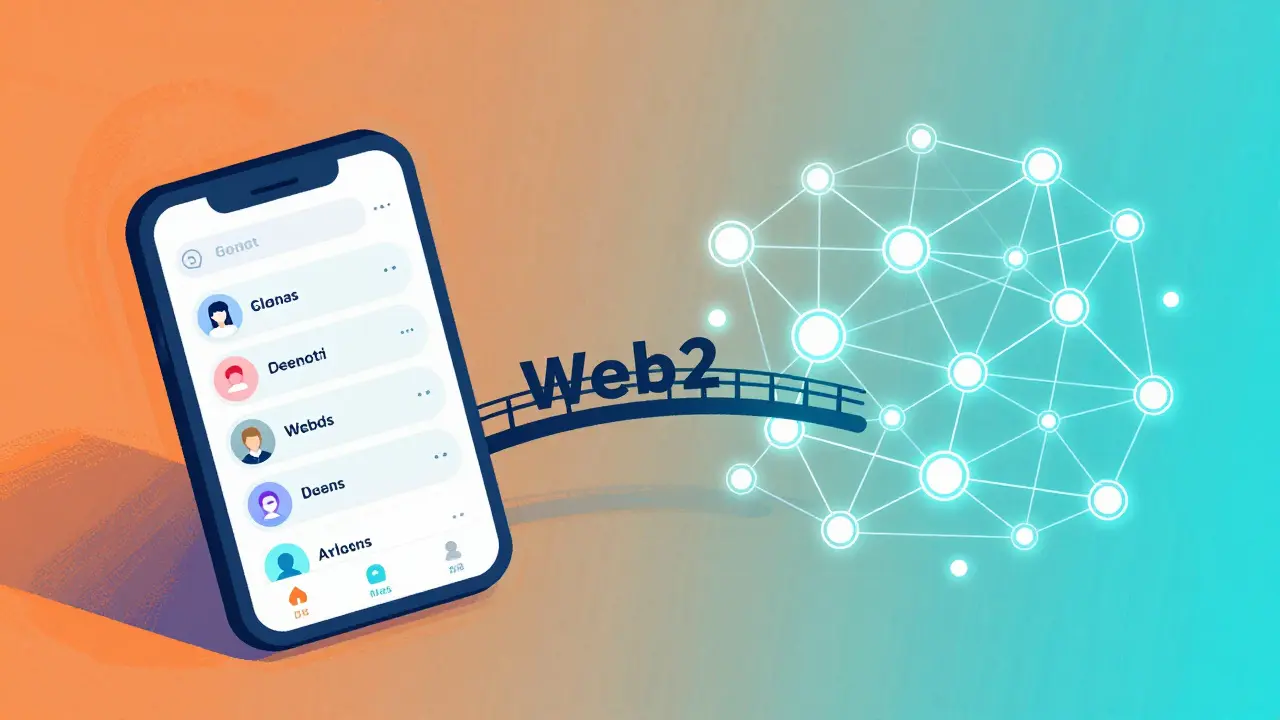
To solve this, successful creators are using hybrid approaches. Academic research published in February 2025 introduced concepts like TOKN, a hybrid Web2-Web3 strategy. This allows creators to tokenize their work while keeping the familiar interface of platforms like YouTube or Instagram. Users pay with fiat currency, and the backend handles the blockchain conversion. This bridges the gap between usability and financial incentive.
Another effective strategy is starting with "loyalty pass" NFTs. These are free or low-cost tokens that introduce fans to the concept of ownership without requiring a large financial commitment. Once users hold an NFT, they demonstrate higher retention rates and increased purchase frequency. They become invested in the ecosystem because they literally own a piece of it.
The Future: Hybrid Models Dominate
Looking ahead, pure Web3 platforms will likely remain niche due to complexity. The dominant model for 2026 and beyond will be hybrid. Creators will maintain discoverability on major social platforms while funneling superfans into blockchain-based ecosystems for deeper engagement and revenue.
Regulatory frameworks are also evolving. Compliance is becoming easier as governments recognize the utility of these technologies. The Asia-Pacific region is leading the charge, with 160 million blockchain users adopting tokenized payment systems. In the US, 28% of consumers now use digital wallets, a 47% increase since 2019. As digital natives become the primary spending demographic, blockchain literacy will rise naturally.
For creators, the message is clear: diversify your income. Don’t put all your eggs in one platform’s basket. Start experimenting with simple NFT drops or social tokens. Use Layer 2 solutions to keep costs down. Build a community that feels ownership, not just consumption. The tools are here. The question is whether you’ll use them.
What is the easiest way for a beginner to start blockchain monetization?
Start with a Layer 2 solution like Base or Polygon to minimize fees. Create a simple "loyalty pass" NFT that grants access to a private Discord channel. This introduces your audience to wallet usage without overwhelming them with complex financial products.
Do I need to know coding to use smart contracts for royalties?
No. Platforms like Zora and OpenSea provide user-friendly interfaces that handle the smart contract creation for you. You simply set your royalty percentage during the minting process, and the platform executes the code.
How do blockchain royalties compare to traditional affiliate marketing?
Blockchain royalties are automated and permanent. Unlike affiliate links that can break or be removed by platforms, smart contract royalties are embedded in the asset itself. Every time the NFT is resold, you get paid, regardless of where the sale occurs.
Is it safe to store my earnings in a crypto wallet?
Yes, provided you secure your private keys. Using reputable hardware wallets or established software wallets adds a layer of security. Remember, you are responsible for your own custody, so never share your seed phrase with anyone.
Can I still use traditional payment methods alongside blockchain?
Absolutely. Hybrid models allow you to accept credit cards on the front end while settling transactions on the blockchain backend. This provides the best of both worlds: ease of use for fans and efficiency for creators.