Collector Crypt (CARDS) Explained: How Tokenized Pokémon Cards Work on Solana
 Aug, 27 2026
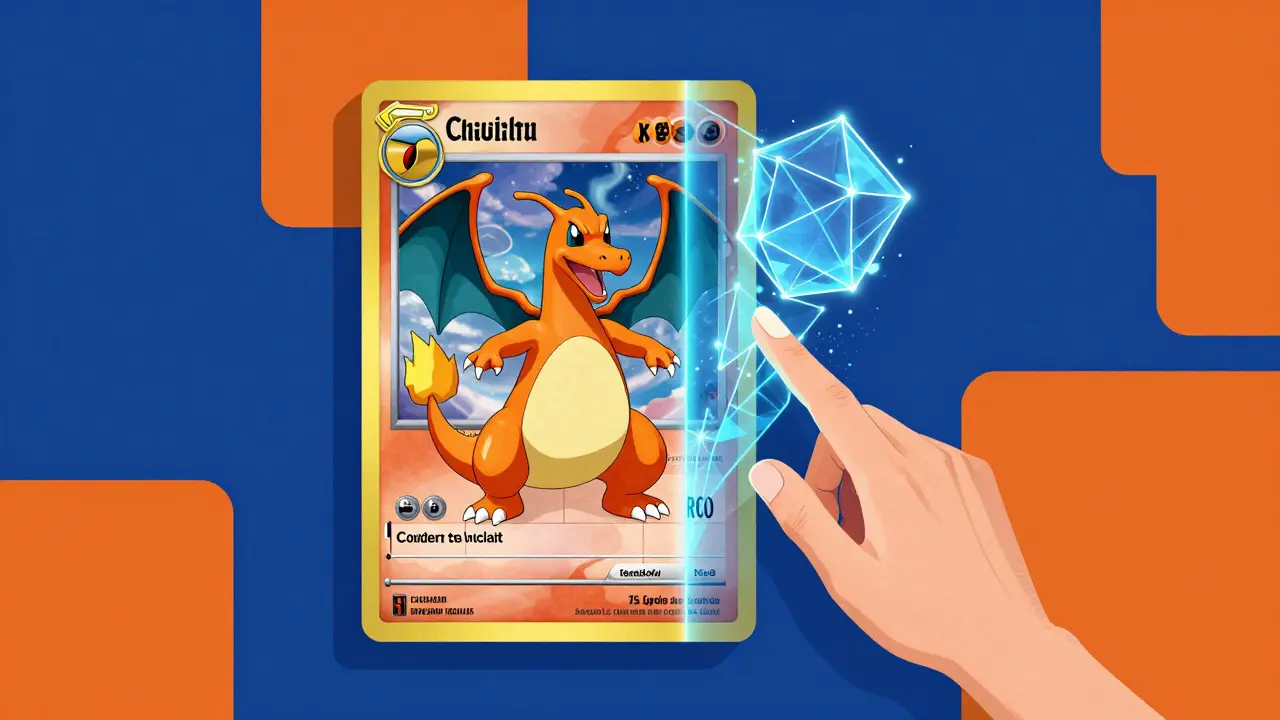
Imagine holding a digital key to a graded Pokémon card sitting in a secure vault, with the power to trade it instantly or redeem the physical item whenever you want. That is exactly what Collector Crypt is doing. Launched on the Solana blockchain, this platform bridges the gap between high-end physical collectibles and the speed of Web3. The native utility token, CARDS, hit a $450 million fully diluted valuation just seven days after its August 29, 2025 debut. But beyond the hype, how does the system actually work, and is it a viable alternative to traditional auction houses?
The Core Concept: Physical Assets, Digital Ownership
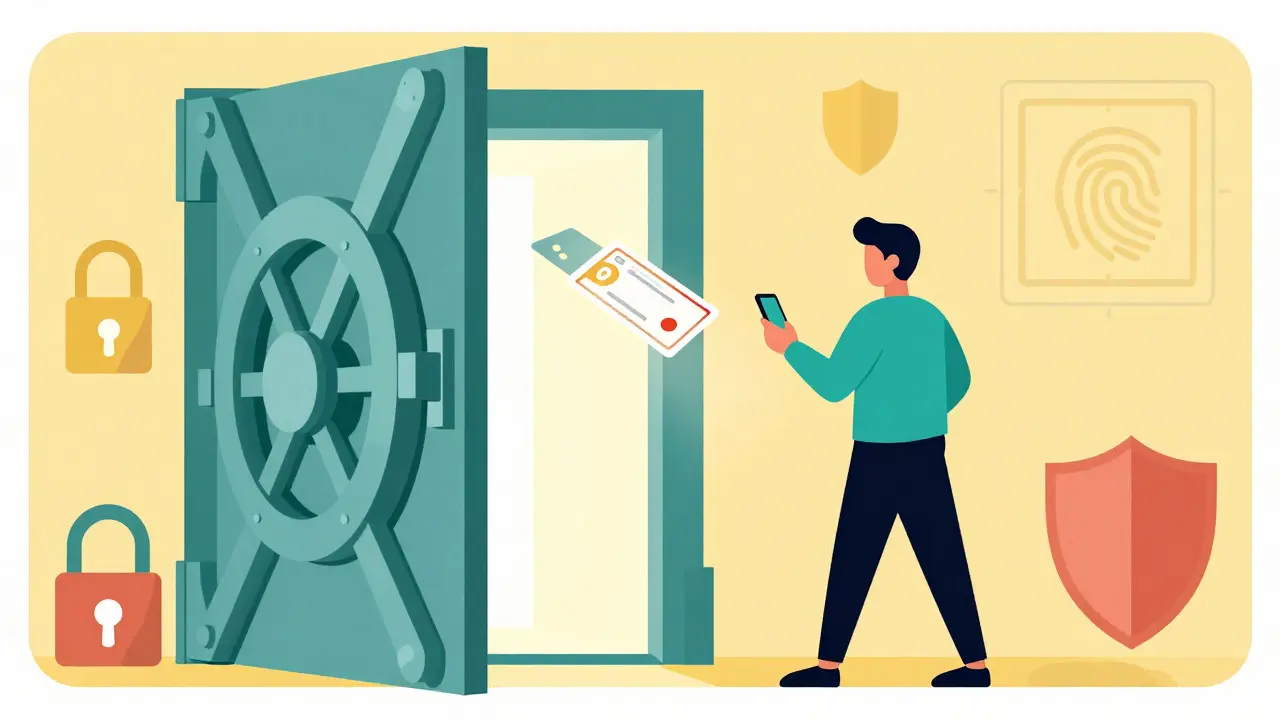
Collector Crypt is a platform that tokenizes authenticated physical trading cards into non-fungible tokens (NFTs) on the Solana network. Unlike standard NFT marketplaces like OpenSea, which deal primarily in digital-native art, Collector Crypt focuses on Real-World Assets (RWAs). The process starts with a physical card being sent to professional grading partners like PSA or Beckett. Once graded, the card is stored in a climate-controlled, insured facility with biometric security. The owner then receives an NFT that represents exclusive ownership of that specific physical item.
The killer feature here is the redemption mechanism. You aren't just buying a JPEG; you are buying a claim to a tangible object. If you decide you want the actual card in your hand, you can 'burn' the NFT through the platform's interface. In return, the physical card is shipped directly to your door. This dual-layer system addresses two major pain points in the traditional collectibles market: the risk of counterfeits and the slow, expensive nature of physical shipping and authentication.
How the CARDS Token Fits Into the Ecosystem
The CARDS token serves as the fuel for this ecosystem. It is a Standard Program Library (SPL) token on Solana with a total supply of 1 billion units. However, only 12.5% (125 million tokens) were in circulation at launch. This low float has created significant volatility, a factor investors need to understand before jumping in.
Why use a dedicated token instead of just paying in USDC? The CARDS token incentivizes participation in the marketplace. Users spend it to buy cards, pay fees, and participate in the platform's 'Gacha' system, where users unbox digital packs to discover random cards. As of late 2025, weekly user spending on the platform averages $5.7 million, largely driven by this gacha mechanic. Additionally, staking functionality launched in September 2025 allows holders to lock up their tokens to earn an 8.2% APY, adding a yield component to the asset.
Technical Edge: Why Solana Matters Here
Speed and cost are critical when dealing with assets that can range from $50 to over $100,000. Operating on Ethereum would make transactions prohibitively expensive and slow. By choosing Solana, Collector Crypt leverages a network capable of processing thousands of transactions per second with minimal fees.
- Transaction Costs: Average fee is approximately $0.00025 per transaction, compared to roughly $1.20 on Ethereum.
- Confirmation Time: Transactions confirm in about 400 milliseconds.
- Wallet Compatibility: Works seamlessly with popular Solana wallets like Phantom and Backpack.
This technical infrastructure ensures that trading a high-value Charizard card feels as smooth as sending a text message, rather than waiting hours for a bank transfer to clear.

Cost Comparison: Collector Crypt vs. Traditional Platforms
One of the strongest arguments for using Collector Crypt is the fee structure. Traditional auction houses and online marketplaces take a hefty cut of every sale. Let’s look at the numbers side-by-side.
| Platform | Buyer Fee / Premium | Avg. Transaction Value | Processing Speed |
|---|---|---|---|
| Collector Crypt | 4% | $18,600 | Instant (on-chain) |
| eBay | 15% | $499 | Days (shipping + payment) |
| Heritage Auctions | 19.5% | Varies | Weeks (auction cycle) |
The data shows that Collector Crypt attracts a higher-value user base. The average transaction size is nearly 37 times larger than eBay’s, suggesting serious collectors are migrating to the platform to save money on high-ticket items. For a $15,000 card, the difference between a 4% fee and a 15% fee is a savings of over $1,650.
Risks and Regulatory Landscape
No crypto project is without risk, and Collector Crypt faces two primary challenges: tokenomics and regulation. First, the thin float means that price movements can be extreme. Messari’s risk assessment noted that only a small fraction of circulating tokens are actively traded daily, making the price vulnerable to manipulation during unlock periods.
Second, there is regulatory uncertainty. The SEC’s 2025 framework for tokenized assets suggests that 'redeemable NFTs tied to physical assets' might be classified as securities if marketed with profit expectations. While not yet enforced, experts like Caitlin Long of Custodia Bank warn that this could trigger compliance requirements. Investors should keep an eye on these developments, as they could impact the long-term viability of the CARDS token.
Getting Started: A Step-by-Step Guide
If you are interested in trying out Collector Crypt, the barrier to entry is lower than you might think. You don’t need to be a coder; you just need basic wallet management skills. Here is how to get involved:
- Set Up a Wallet: Install Phantom or Backpack and fund it with SOL for gas fees.
- Acquire CARDS: Buy CARDS tokens on a decentralized exchange or acquire them through the platform’s rewards program.
- Browse or Submit: You can either buy existing tokenized cards on the marketplace or submit your own physical cards for grading and vaulting.
- Trade or Redeem: Trade your NFTs freely on the platform or partner sites like Magic Eden, or burn them to receive the physical card.
New users typically spend about 2.7 hours learning the ropes, which is significantly faster than the 8.3 hours reported for traditional high-value collectibles platforms.
Frequently Asked Questions
What is the main advantage of Collector Crypt over buying cards on eBay?
The main advantages are lower fees (4% vs 15%), instant settlement, and guaranteed authentication. On eBay, you still have to worry about shipping damage, counterfeit risks, and slow payment processing. With Collector Crypt, the card is already graded and vaulted, and the transfer of ownership happens instantly on the blockchain.
Can I get my physical card back from Collector Crypt?
Yes. The platform offers a redemption feature. You can 'burn' your NFT token in the app, and the corresponding physical card will be shipped to you. This makes it a true hybrid model rather than just a digital certificate.
Is the CARDS token a good investment right now?
It depends on your risk tolerance. The token has high growth potential due to the expanding market for tokenized collectibles, but it carries high volatility due to its low circulating supply. Analysts like Ben Carter from Delphi Digital see it as undervalued based on revenue multiples, while others warn of regulatory risks. Do your own research and consider dollar-cost averaging.
Which types of cards are supported on Collector Crypt?
Currently, the platform focuses primarily on Pokémon Trading Card Game assets. However, support for Magic: The Gathering was announced for Q1 2026, and partnerships with Upper Deck suggest future expansion into sports memorabilia like hockey cards.
Do I need special hardware to use Collector Crypt?
No. All you need is a device with internet access and a compatible Solana wallet like Phantom or Backpack. There is no requirement for specialized mining hardware or complex software installations.
nic c
August 28, 2026 AT 12:21So we are finally here, the moment where the clunky, dusty world of physical trading cards meets the slick, neon-lit future of blockchain technology, and honestly it feels like watching a dinosaur try to dance with a hologram. The idea is that you send your precious Charizard or Pikachu to some vault in Florida, they slap a sticker on it, and then you get a digital receipt that supposedly proves you own the thing, which sounds incredibly convenient until you realize you are now at the mercy of a server farm and a token that might go to zero overnight. The article mentions a $450 million valuation seven days after launch, which is just wild for a platform that basically digitizes cardboard, but hey, if you can convince enough people to believe in the magic of the metaverse, why not the magic of the marketplace? They are touting these low fees on Solana, claiming it costs less than a penny to move a card worth ten grand, which is great for the tech nerds but terrifying for the average collector who just wants to buy a card without worrying about gas fees or wallet addresses. The real kicker is this 'redemption' feature where you burn the NFT to get the card, which sounds like a cool hybrid model but really just adds another layer of complexity to an already complicated process of buying things online. You have to trust that the vault isn't going to catch fire, that the grading company didn't make a mistake, and that the blockchain hasn't been hacked, all while hoping the CARDS token doesn't crash because someone sold too many shares. It's a fascinating mess of innovation and risk, wrapped up in a shiny package that promises speed and security but delivers anxiety and uncertainty instead. I guess we will see if this actually sticks or if it becomes another footnote in the long history of crypto projects that promised revolution but delivered confusion.
Kevin Payette
August 28, 2026 AT 16:49The float is thin. Price is volatile. Buy low sell high.
nic c
August 29, 2026 AT 19:02Exactly, and don't forget the regulatory cloud hanging over it all, because the SEC is always lurking in the shadows waiting to pounce on anything that smells like a security disguised as a collectible. If they decide that owning a digital key to a physical card is effectively owning a share of a company, well, good luck explaining that to your tax accountant next April. The whole premise relies on trust, which is the one commodity crypto has never quite managed to secure, so we are left wondering if this is genuine innovation or just a very expensive way to play hide-and-seek with your assets.
Trista Dennis
August 30, 2026 AT 20:40Ooh, look at us, reinventing the wheel but making it spin faster and charge you a subscription fee to watch it roll. I mean, sure, instant settlement is nice, but let's not pretend that 'burning' an NFT to get a piece of cardboard is some kind of technological breakthrough. It's just shipping with extra steps and a lot more jargon. I bet the 'gacha' system is where the real money is, turning card collecting into a slot machine for people who think they're investors. Pretty sure the average user here is just gambling on whether their random pack pull will pay for their coffee or their mortgage. But hey, if it makes the numbers go up, who am I to judge? Just don't come crying when the token unlocks and your portfolio looks like a rollercoaster ride from hell. It's cute, it's flashy, and it's probably a bubble waiting to pop, but I'll give them points for trying to make boring old trading cards feel like a sci-fi movie.
Ashwini Chaskar
August 31, 2026 AT 23:24you know what i really love about this whole setup is how it takes something so personal and nostalgic like pokemon cards and turns it into a cold digital transaction that feels so impersonal its almost scary
like do we really want our childhood memories stored in a database on solana instead of in a binder on our shelf
i mean the convenience is there i guess but does it really matter if you can trade instantly if you cant hold the card in your hands anymore
its all about the story right and stories dont live on blockchains they live in the heart
but then again maybe im just being sentimental about cardboard
Trista Dennis
September 1, 2026 AT 17:10Sentimental is just a word for 'not understanding the market.' The card is a proxy for value, not the value itself. Once you accept that, the nostalgia fades and the profit motive takes over. That's how it works, darling. Move on.
Rebecca Springer
September 2, 2026 AT 08:59It is interesting to see how different cultures approach this shift. In India, for example, the concept of ownership is deeply tied to physical possession and community validation, so the idea of a 'digital twin' might face more skepticism here compared to Western markets where financialization is more accepted. However, the global nature of the Pokémon TCG means that collectors in Mumbai and New York are both participating in the same ecosystem, which creates a fascinating cross-cultural exchange of values. We must be mindful that while the technology is universal, the emotional connection to these items varies significantly across borders. This platform serves as a bridge, but also a potential source of cultural friction regarding what constitutes 'authentic' ownership. It is a delicate balance between preserving tradition and embracing innovation. We should encourage dialogue rather than division on this topic. Understanding these nuances helps us appreciate the broader impact of such platforms. It is not just about the cards; it is about how we define value in a connected world. Let us keep an open mind as we navigate these changes together. The journey is as important as the destination in this evolving landscape.
Rajni Mathur
September 4, 2026 AT 03:22Technically speaking, the use of SPL tokens on Solana is a smart move for scalability, but we must consider the long-term sustainability of the energy consumption despite the claims of efficiency 📉📊. The 12.5% float is a classic manipulation tactic used by many early-stage projects to create artificial scarcity and hype 🚀💰. Investors should be wary of the 'Gacha' mechanic as it introduces a layer of speculative gambling that may not align with the core utility of asset storage 🎲⚠️. Furthermore, the integration with Magic Eden is positive for liquidity, but it also exposes users to cross-platform risks 🔗🛡️. The regulatory angle mentioned by Caitlin Long is crucial; if classified as securities, the entire model could face legal hurdles 🏛️⚖️. We need to monitor the daily active users versus the token holders ratio to gauge true engagement 👥📈. The $0.00025 fee is negligible, but network congestion during peak times could still be an issue ⏳🔧. Overall, it is a promising experiment but requires careful due diligence before significant capital allocation 💼🔍. Let us stay informed and cautious in this rapidly changing space 🌐🧠.
Ellie Brooks
September 4, 2026 AT 23:49Oh my gosh, this is actually super exciting! I've been wanting to get into card collecting but always felt intimidated by the high prices and the fear of getting scammed on eBay, so having a verified vault system sounds like a dream come true! The fact that you can just swap the NFT for the physical card whenever you want gives me so much peace of mind because I know my investment is safe and sound. I love that they are using Solana because I hear it's super fast and cheap, which is perfect for someone like me who is new to crypto and doesn't want to spend a fortune on gas fees just to move a single item. The gacha packs sound like so much fun too, almost like opening a surprise box every time you log in, which keeps the whole experience fresh and engaging. I'm a little nervous about the token volatility though, but I think starting small and learning as I go is the best way to handle it. Plus, knowing that other collectors are already saving thousands on fees compared to traditional auction houses makes me feel like I'm joining a savvy community of insiders. Can't wait to set up my Phantom wallet and start exploring what's available! It feels like the future of collecting is finally here and it's looking pretty awesome!
Rachel Etheridge
September 5, 2026 AT 20:43OMG this is soo cool!! i have been waiting for something like this for ages. the part about burning the nft to get the real card is just amazing to me. i always thought crypto was just fake pictures but this feels real. also the fees are way lower than ebay which is great for my budget. i hope it works out for everyone. lets grow together friends!!