Crypto Exchanges for Chinese Citizens in 2026: Access, Risks, and Workarounds
 Aug, 12 2026
Buying cryptocurrency as a citizen of Mainland China feels less like investing and more like solving a puzzle under pressure. The rules are strict, the technical barriers are high, and the risk of account freezes is real. Since the People's Bank of China (PBOC) tightened its ban on crypto transactions in May 2021, accessing global markets has required creativity, caution, and often, a bit of luck.
If you are looking for a list of platforms that welcome Chinese citizens with open arms, you will be disappointed. No major exchange officially targets Mainland China due to regulatory pressure. However, many platforms remain accessible through specific workarounds, alternative identification documents, or by leveraging the separate regulatory framework of Hong Kong. This guide breaks down which exchanges actually work, how to navigate the Great Firewall, and where the safest paths lie in 2026.
The Regulatory Reality: Mainland vs. Hong Kong
To understand your options, you first need to understand the divide. Mainland China maintains a "zero tolerance" policy toward cryptocurrency trading. The PBOC classifies crypto transactions as illegal financial activities. This means no domestic bank will process a direct transfer to a crypto exchange, and apps like Alipay and WeChat Pay block such transactions instantly.
Hong Kong, however, tells a different story. As a Special Administrative Region, it operates under its own laws. The Securities and Futures Commission (SFC) has established a Virtual Asset Trading Platform (VATP) licensing regime. By mid-2025, eleven platforms held these licenses, creating a legal bridge for users who can prove residency or hold non-Mainland identification. For a Chinese citizen, this distinction is everything. Your ability to trade often depends on whether you can present yourself as a Hong Kong resident or an international client rather than a Mainland-based trader.
Top Exchanges Still Accessible to Chinese Users
While Coinbase and Kraken have largely closed their doors to Mainland IP addresses and Chinese ID cards, other platforms have adapted. Here are the most viable options based on current user reports and platform policies in 2026.
| Exchange | Access Method | ID Requirements | Key Feature |
|---|---|---|---|
| Binance | VPN Required | International Passport / HK ID | Largest liquidity; strong P2P market |
| Bybit | VPN + HK License Path | Non-Chinese ID preferred | High volume; applied for HK VATP license |
| Huobi (HTX) | Direct (with restrictions) | Chinese ID accepted but risky | Historical ties to China; Mandarin support |
| OSL Exchange | Direct (HK Residents) | Hong Kong ID Required | Fully SFC licensed; compliant |
| Crypto.com | VPN Required | International Passport | User-friendly app; broad asset selection |
Binance: The Giant with Caveats
Binance, despite its origins, blocks Chinese IP addresses aggressively. You cannot log in from a standard Shanghai or Beijing connection without a reliable VPN. More importantly, KYC (Know Your Customer) verification usually rejects Mainland Chinese ID cards. To succeed here, you typically need an international passport or a Hong Kong identity card. Once verified, the platform offers deep liquidity and a robust Peer-to-Peer (P2P) marketplace, which is essential for converting fiat currency into crypto without using blocked banking rails.
Bybit: The Rising Contender
Bybit has gained significant traction among Chinese traders. It offers excellent Mandarin support and interfaces tailored to Asian users. In June 2025, Bybit submitted an application for a Hong Kong VATP license, signaling a move toward compliance. While it still requires VPN usage for Mainland users, its P2P section is active, allowing trades via local bank transfers that are less likely to trigger immediate alerts compared to direct wire transfers to offshore entities.
Huobi (HTX): The Homegrown Option
Huobi, now rebranded as HTX, retains strong cultural ties to China. It accepts Chinese ID documents for verification, which seems convenient. However, this convenience comes with risk. Because the platform is so visible to regulators, accounts linked to Chinese IDs face higher scrutiny. Withdrawals can be delayed during periods of heightened regulatory activity. It remains popular for its familiarity, but many experienced traders use it only for spot trading, keeping larger holdings in cold storage.
OSL Exchange: The Compliant Route
If you have access to a Hong Kong identity or residence permit, OSL Exchange is arguably the safest option. As one of the first fully licensed platforms under the SFC’s VATP regime, it operates within a clear legal framework. It does not accept Mainland Chinese IDs directly, but it provides a regulated environment for those who can qualify. The asset selection is smaller than Binance or Bybit, focusing on major cryptocurrencies, but the peace of mind regarding regulatory compliance is unmatched.
Navigating Technical Barriers: VPNs and Firewalls
The Great Firewall of China is not just a suggestion; it is a sophisticated network filter. Most major exchanges, including Coinbase and Kraken, employ geo-fencing technology that blocks traffic from Chinese IP ranges. According to transparency reports, over 78% of exchanges now block 95% of Chinese IPs effectively.
To bypass this, a Virtual Private Network (VPN) is mandatory. Not all VPNs work equally well. Free or low-cost services often fail to mask your digital fingerprint or suffer from unstable connections that drop during critical trades. Services like NordVPN and ExpressVPN are frequently recommended in community forums for their reliability and server locations in nearby jurisdictions like Singapore or Japan. Remember, if your VPN drops while you are trading, you could lose funds or miss price movements. Always test your connection stability before depositing significant capital.
The Payment Problem: P2P and Off-Ramps
Even if you can log in, getting money onto the exchange is the hardest part. Chinese banks monitor outgoing wires closely. A transfer labeled "crypto exchange" or sent to a known offshore entity will likely be frozen, and your bank account may be flagged for months.
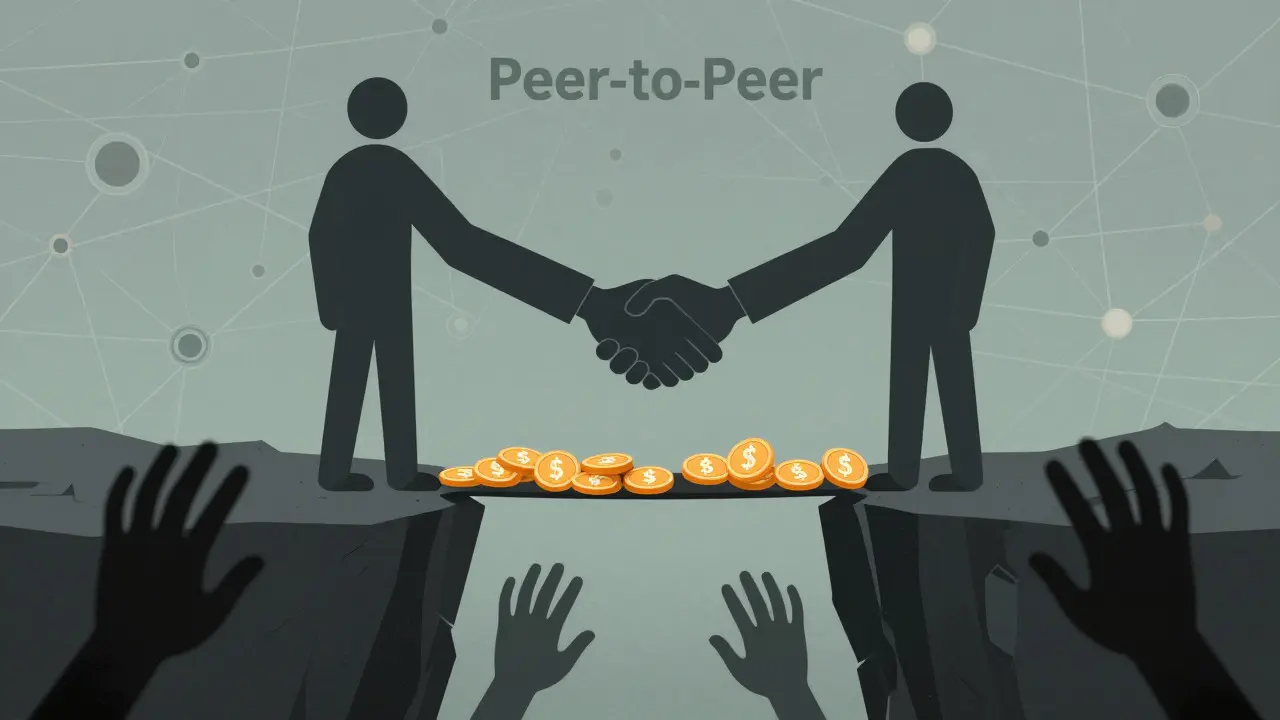
This is why Peer-to-Peer (P2P) trading has become the dominant method for Chinese citizens. Platforms like Binance P2P, Bybit P2P, and independent sites like SimpleSwap allow you to buy USDT (Tether) directly from another person using a local bank transfer or Alipay. The seller releases the crypto once they confirm receipt of funds. This method keeps the transaction off the radar of international banking systems. However, it carries counterparty risk. Always check the seller’s reputation score and trade history. Stick to merchants with thousands of successful trades. Avoid deals that seem too good to be true, as scams targeting Chinese users are common.
Identification Hurdles: The KYC Maze
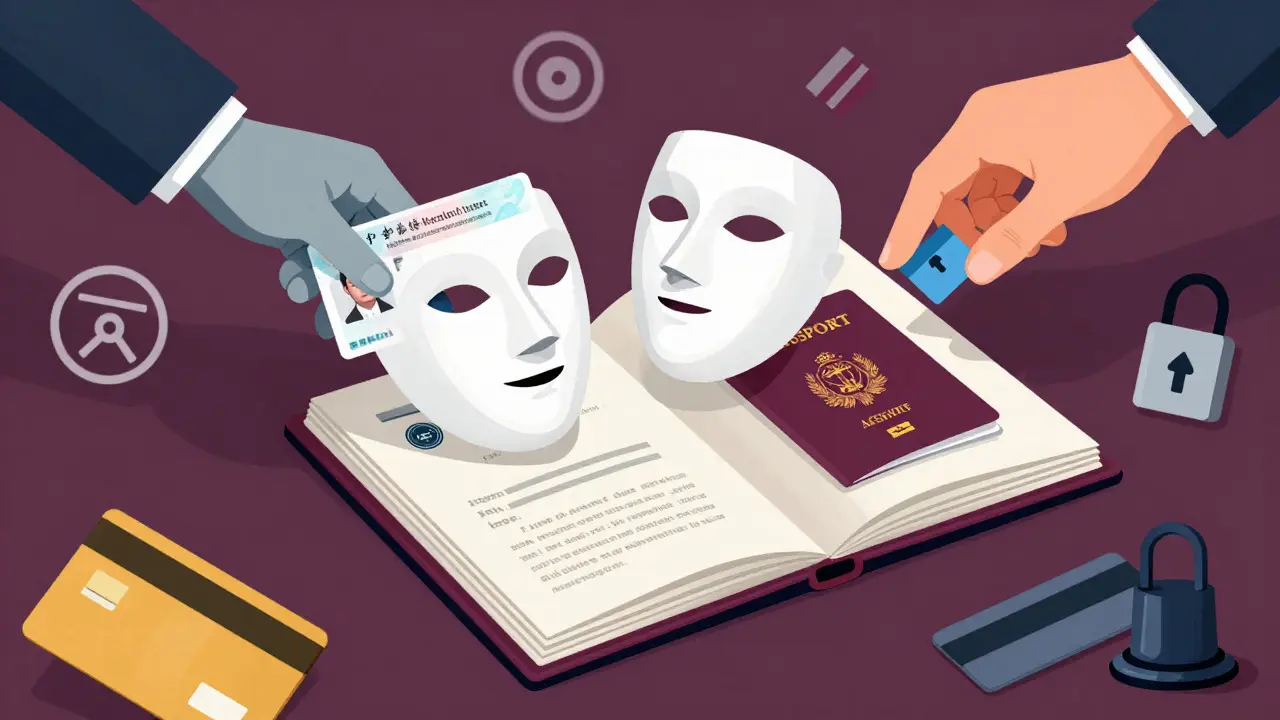
Know Your Customer (KYC) requirements are designed to prevent money laundering, but they also act as a filter against banned nationalities. When signing up, avoid using a Mainland Chinese ID card unless the exchange explicitly states it is accepted (like Huobi). Instead, prioritize:
- International Passports: If you hold a second citizenship or travel document, this is your best bet. Most global exchanges accept passports from recognized countries.
- Hong Kong ID Cards: These are widely accepted by both Hong Kong-licensed platforms and some international exchanges.
- Residence Permits: Some exchanges, like Kraken, have occasionally accepted Hong Kong residence permits, though this policy shifts frequently.
Be prepared for delays. Verification for Chinese-linked profiles often takes longer-averaging 72 hours according to recent industry data. During times of regulatory tension, this can stretch to weeks. Keep screenshots of your submissions and maintain communication with customer support.
Risks and Realities of Trading from China
You must approach this with eyes wide open. The risks are not just theoretical.
- Account Freezes: Exchanges may freeze assets if they suspect regulatory trouble. This happened frequently in 2024 and early 2025 when new guidelines were announced. Diversify across multiple platforms to mitigate this.
- Bank Account Bans: Frequent transfers to individuals involved in P2P trading can flag your bank account. Use dedicated bank accounts for crypto-related activities, separate from your primary salary account.
- Tax Ambiguity: While crypto gains are not explicitly taxed in the same way as stock dividends in China, the lack of clarity means future retroactive taxes are possible. Keep detailed records of all transactions.
- Scams: The underground nature of the market attracts fraudsters. Be wary of "investment groups" on Telegram or WeChat promising guaranteed returns. These are almost always Ponzi schemes.
Future Outlook: Will Things Change?
As of August 2026, there is no sign of Mainland China lifting its ban. The PBOC continues to promote the Digital Yuan (e-CNY) as the state-sanctioned alternative, viewing decentralized crypto as a threat to monetary sovereignty. However, Hong Kong’s role is expanding. With more platforms obtaining VATP licenses, the region is becoming a hub for Asian crypto activity. For Chinese citizens, the path forward likely involves increased reliance on Hong Kong-based entities or decentralized exchanges (DEXs) that require no central authority to verify identity.
Decentralized exchanges like Uniswap or PancakeSwap are seeing a surge in usage among Chinese users because they do not require KYC. You connect a wallet, swap tokens, and leave. The challenge here is onboarding-getting crypto into the wallet in the first place still usually requires a centralized exchange or P2P trade. But for holding and trading, DEXs offer a layer of privacy that centralized platforms cannot match.
Practical Steps to Get Started
If you are ready to proceed, follow this checklist to minimize risk:
- Secure Your Connection: Subscribe to a premium VPN with servers in neutral jurisdictions. Test it thoroughly.
- Gather Documentation: Ensure you have a valid international passport or Hong Kong ID. Scan them clearly.
- Start Small: Begin with a small amount to test the entire flow: deposit, trade, and withdraw. Do not move large sums until you have successfully completed a full cycle.
- Use P2P Wisely: Choose high-reputation merchants on Binance or Bybit P2P. Never release payment until the crypto is in your account.
- Diversify Storage: Do not leave large amounts on any single exchange. Move long-term holdings to a hardware wallet like Ledger or Trezor.
Can I use a Chinese ID card on Binance?
Generally, no. Binance has largely stopped accepting Mainland Chinese ID cards for KYC verification due to regulatory pressure. You will likely need an international passport or a Hong Kong ID card to complete verification. Attempting to use a Chinese ID may result in rejection or account suspension.
Is it legal to buy crypto in China in 2026?
Technically, no. The People's Bank of China considers cryptocurrency transactions illegal financial activities. While owning crypto is not strictly criminalized for individuals, trading it through domestic banks or exchanges violates regulations. Many citizens trade anyway using offshore platforms and P2P methods, but they do so at their own regulatory risk.
Which exchange is best for Chinese citizens?
There is no single "best" exchange, as it depends on your documentation. Binance and Bybit are popular for their liquidity and P2P markets, provided you have an international passport. OSL Exchange is the safest choice if you have a Hong Kong ID. Huobi (HTX) is accessible with a Chinese ID but carries higher regulatory scrutiny.
How do I deposit CNY into a crypto exchange?
Direct bank transfers from China to overseas exchanges are often blocked. The most common method is using Peer-to-Peer (P2P) trading platforms integrated into exchanges like Binance or Bybit. You transfer CNY directly to another user's bank account via Alipay or UnionPay, and they release the crypto to your exchange wallet. Always use reputable merchants with high completion rates.
Do I need a VPN to trade crypto in China?
Yes, for most international exchanges. The Great Firewall blocks access to many crypto websites, and exchanges like Binance and Coinbase block Chinese IP addresses. A reliable VPN is essential to hide your location and access these platforms securely. Without it, you may find yourself unable to load the website or complete login steps.
Are Decentralized Exchanges (DEXs) safe for Chinese users?
DEXs like Uniswap or PancakeSwap are safer from a regulatory perspective because they do not require KYC or store your funds centrally. However, they require you to already have crypto in a self-custody wallet. They are excellent for swapping assets but do not solve the initial problem of buying crypto with fiat currency.
Sean Rowland
August 12, 2026 AT 09:56The epistemological framework presented herein regarding the dichotomy between Mainland regulatory strictures and Hong Kong's permissive VATP regime is, frankly, a gross oversimplification of the geopolitical nuances at play. One must interrogate the underlying assumption that 'workarounds' constitute a stable financial infrastructure rather than a precarious existential gamble for the retail participant. The reliance on VPNs introduces a layer of technological fragility that renders the entire transactional flow susceptible to sudden obsolescence via state-level packet inspection algorithms. Furthermore, the assertion that P2P markets offer a viable off-ramp ignores the systemic risk of counterparty insolvency and the latent threat of retroactive banking sanctions. It is imperative to recognize that this is not merely an issue of access but of fundamental legal exposure in a jurisdiction that views digital asset ownership as a subversive act against monetary sovereignty.
Sus Sawyer
August 13, 2026 AT 13:21yo sean u talkin like a robot lol 🤖 look i get the fancy words but lets keep it real. if u got a hk id or a passport from somewhere else, binance p2p is still the king 👑 just make sure u use a good vpn cause the gfw is no joke these days. i switched to bybit last month cause their ui is way better for us Asians and they actually listen to feedback. dont sleep on osl either if u want to be all legit with the sfc license. just start small tho! test ur withdrawals first before dumping all ur savings in there. trust me i learned that the hard way 😅
Earl Kott65
August 14, 2026 AT 19:14Oh wow, what a breath of fresh air from Sus! 🌬️ Finally someone who speaks human language instead of academic gibberish. Sean, put down the thesis and pick up a hardware wallet, buddy. 😂 But seriously, Sus is spot on about testing small amounts. I lost my shirt once because I didn't check if my bank account would get frozen after a big P2P trade. Lesson learned: separate accounts are your best friend. And yes, Bybit's Mandarin support is a lifesaver when you're trying to figure out why your KYC failed at 3 AM. Keep it simple, people! 🚀📉
Harman Singh
August 15, 2026 AT 13:39i tried htx last week and my account got locked for 3 days!!! so annoying 😡 why do they even accept chinese ids if they just freeze u later? feels like a scam honestly. maybe ill try uniswap next since no kyc needed but how do i get crypto there without buying from a ce first?? its so confusing man. hope my money doesnt vanish into thin air again. sigh.
Qolbina Islami
August 16, 2026 AT 11:03This entire situation is a disgrace to national sovereignty!!! Why are we allowing these foreign entities to leech off our economy??? The government knows what it is doing!!! Crypto is a western plot to destabilize our currency!!! Stick to the Digital Yuan!!! It is safe!!! It is secure!!! It is patriotic!!! Anyone trading on Binance is practically a traitor to the state!!! Wake up people!!! The firewall is there to protect us from these digital vampires!!! Don't let them steal your wealth!!! #DigitalYuan #Patriotism #NoCrypto