Crypto Mining-Friendly Countries Ranking 2025: Top Destinations for Miners
 Sep, 29 2026
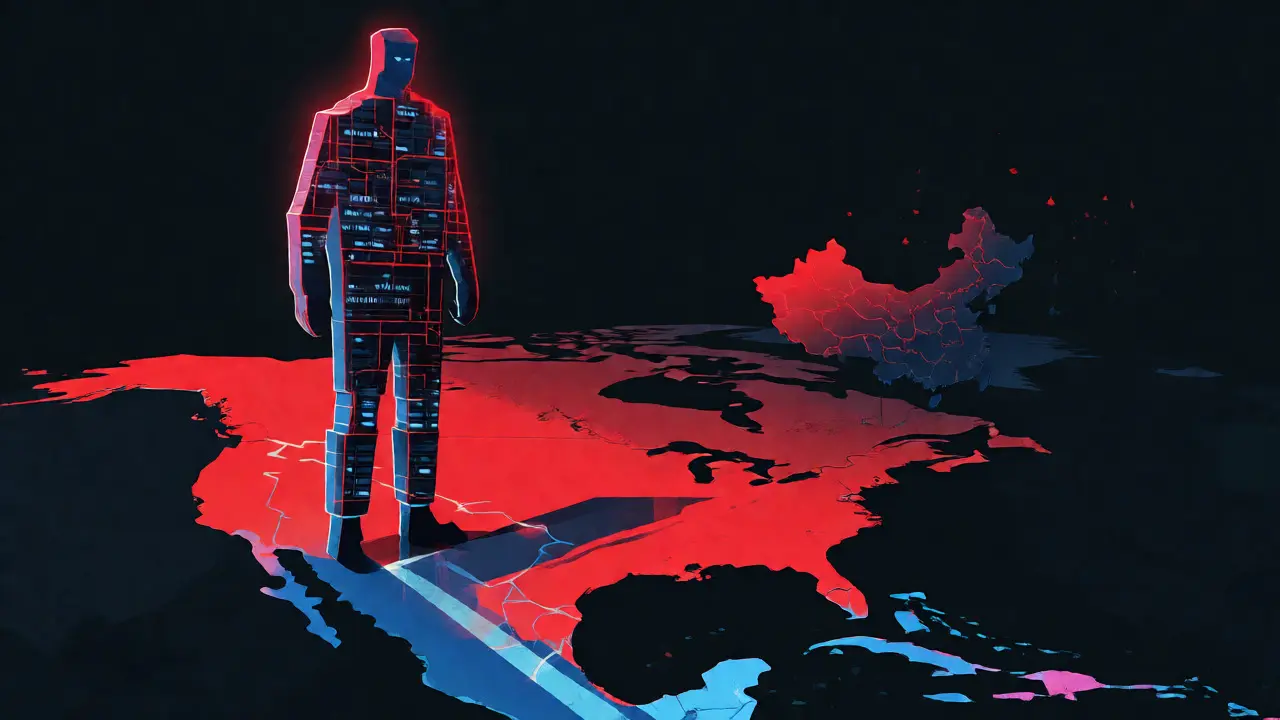
Ever wonder why some miners thrive while others go bust? It’s rarely just about the price of Bitcoin. It’s about where you plug in your rigs. In 2025, the map of crypto mining-friendly countries looks vastly different than it did five years ago. China banned mining, the US surged ahead, and new players like El Salvador and Kazakhstan stepped into the spotlight. If you’re looking to set up a rig or scale an industrial farm, picking the wrong jurisdiction can wipe out your margins faster than a difficulty spike.
This isn’t just about cheap electricity anymore. Sure, power costs matter, but regulatory clarity, tax incentives, and banking access are now equally critical. A country might offer $0.03/kWh power, but if the government seizes your assets or blocks bank transfers, that cheap energy is worthless. Let’s break down the top destinations for miners in 2025, ranking them by a mix of economic viability, legal safety, and operational ease.
The Heavyweight Champion: United States
You might not expect the US to top the list given its complex state-by-state regulations, but data from Hashrate Index confirms it: the US is the largest Bitcoin mining market globally. Why? Institutional confidence. Big money trusts American courts and stable energy grids more than anywhere else. Texas, in particular, has become a global hub thanks to its deregulated energy market (ERCOT). Miners here can act as "grid stabilizers," shutting down during peak demand to earn credits, which effectively lowers their net energy costs.
The risk-adjusted returns in the US are currently the best in class. You get access to mature infrastructure, reliable internet, and a clear path to selling mined coins through regulated exchanges. However, don’t ignore the noise. Some states, like New York, have imposed moratoriums on proof-of-work mining due to environmental concerns. Always check local zoning laws before buying land. The federal government hasn’t issued a blanket ban, but tax reporting requirements (like the 1099-DA form) are tightening, so keep meticulous records.
Kazakhstan: The Central Asian Powerhouse
After China’s crackdown in 2021, many miners fled north to Kazakhstan. Today, it accounts for over 6% of the global hash rate. The Kazakh government sees mining as a way to diversify away from oil dependency, offering tangible incentives. For one, they’ve introduced a progressive tax system where larger operations pay higher rates, but smaller entities benefit from lower thresholds. More importantly, businesses registered in the Astana International Financial Centre (AIFC) can enjoy corporate tax exemptions until 2066.
Energy costs remain competitive, though they’ve risen compared to previous years. The real draw here is the sheer availability of coal-powered electricity, which is abundant and cheap, albeit less green. If sustainability isn’t your primary brand value, Kazakhstan offers solid ROI. Just be aware of recent grid instability issues; blackouts have hit mining regions, forcing operators to invest in backup generators or negotiate interruptible power contracts.
Iceland: Cool Climate, Clean Energy
If you care about ESG (Environmental, Social, and Governance) scores, Iceland is a dream. The country generates nearly 100% of its electricity from renewable sources-mostly geothermal and hydro. Plus, the naturally cold air means you spend significantly less on cooling systems. This dual advantage creates a highly efficient mining environment.
However, Iceland is small. The population is under 400,000, and the grid has limits. Large-scale industrial mining often requires special permits and long-term power purchase agreements. While the regulatory environment is stable and transparent, getting connected to the grid can take time. It’s ideal for mid-sized operations that prioritize clean energy branding and long-term stability over rapid expansion.
El Salvador: The Legal Tender Experiment
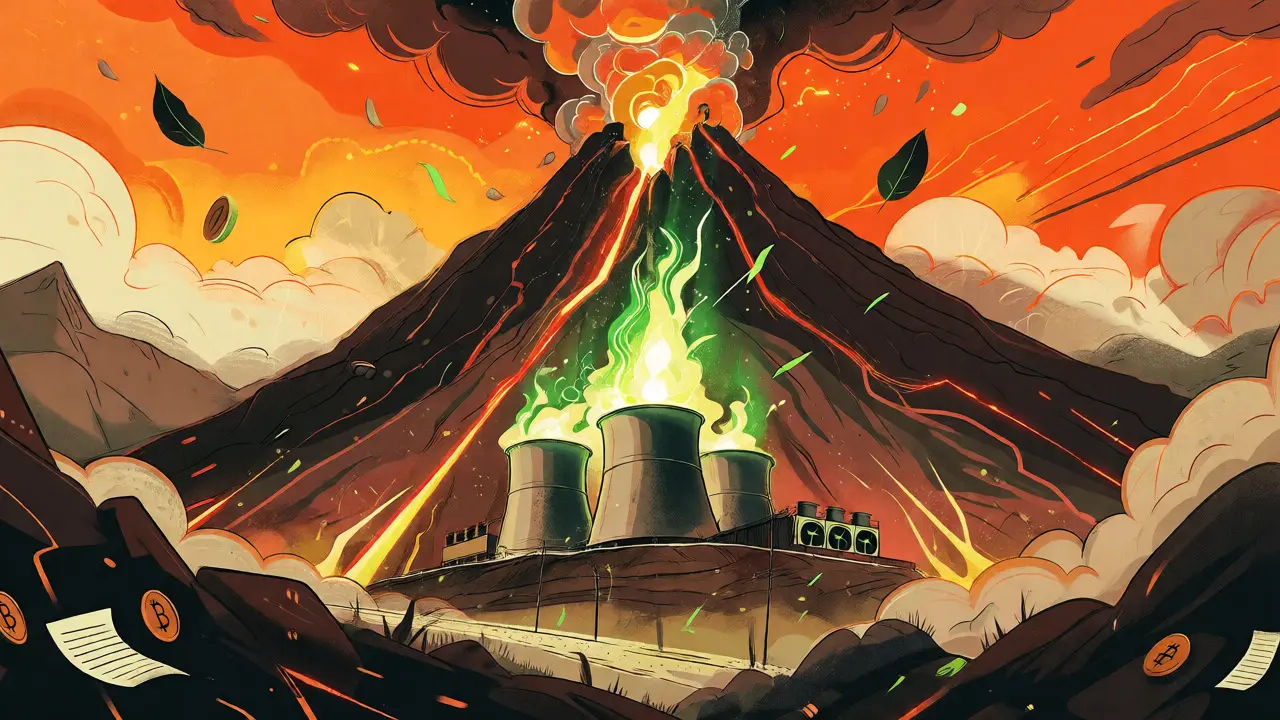
El Salvador made headlines by making Bitcoin legal tender in 2021. By 2025, this experiment has matured. The country uses volcanic geothermal energy to power mining operations, most notably at the Volcano Park project. The biggest perk? Zero capital gains tax on cryptocurrency transactions. If you mine Bitcoin and hold it, you pay no tax on appreciation. If you sell it for goods or services within the country, you also avoid capital gains taxes.
Banking access has improved, with major institutions starting to engage with crypto firms, though it’s still not as seamless as in Switzerland or Singapore. Infrastructure outside the main cities can be spotty, and political shifts always carry risk. But for those wanting to align closely with Bitcoin’s ethos and minimize tax drag, El Salvador remains unique.
Georgia: The Tax Haven Next Door
Situated between Europe and Asia, Georgia offers one of the most attractive tax regimes for miners. There is no capital gains tax on cryptocurrency holdings for individuals, and corporate tax rates are low. Electricity costs are among the lowest in the region, driven by abundant hydropower resources. The government actively encourages foreign investment in the tech sector, offering simplified business registration processes.
Unlike its neighbors, Georgia maintains a neutral stance toward crypto, avoiding the heavy-handed restrictions seen in Russia or Iran. Banking relationships can be tricky for non-residents, but fintech solutions are bridging the gap. It’s a great option for individual miners or small teams who want low overheads without dealing with massive bureaucratic hurdles.
Canada: Resource-Rich but Regulatorily Fragmented
Canada boasts vast natural resources, particularly hydropower in provinces like Quebec and British Columbia. These areas offer surplus energy that’s perfect for mining. However, Canada’s regulatory landscape is fragmented. What works in Alberta might not fly in Ontario. Recently, some provinces have debated imposing surcharges on high-energy users, including miners.
Despite this, Canada remains attractive for institutional investors due to its strong rule of law and proximity to the US market. Several crypto ETFs trade here, providing easy liquidity. If you choose Canada, focus on provinces with explicit pro-mining policies and secure long-term fixed-rate power contracts to hedge against policy changes.
Switzerland and Liechtenstein: Precision and Stability
While not known for raw hash rate volume, Switzerland and Liechtenstein dominate in regulatory clarity. Switzerland’s FINMA provides precise guidelines on how tokens are classified, reducing legal uncertainty. Liechtenstein’s Blockchain Act offers comprehensive legal certainty for token-based models. Banks in these jurisdictions are generally open to working with crypto companies, unlike in many other Western nations.
Energy costs here are higher, making them better suited for holding and trading profits rather than large-scale energy-intensive mining. However, for headquarters and treasury management, these locations provide unparalleled security and prestige.
Comparative Analysis: Where Should You Mine?
To help you decide, here’s a quick comparison of key factors for the top contenders. Note that energy prices fluctuate, so treat these as directional indicators.
| Country | Avg. Energy Cost (USD/kWh) | Regulatory Clarity | Tax Advantage | Best For |
|---|---|---|---|---|
| United States | $0.04 - $0.08 | High (State-dependent) | Moderate | Institutional Scale, Grid Services |
| Kazakhstan | $0.03 - $0.05 | Medium-High | High (AIFC Exemptions) | Cost Efficiency, Expansion |
| Iceland | $0.05 - $0.07 | Very High | Moderate | Green Branding, Stability |
| El Salvador | $0.04 - $0.06 | Medium (Experimental) | Very High (Zero Cap Gains) | Bitcoin Maximalists, Tax Optimization |
| Georgia | $0.02 - $0.04 | Medium | Very High | Small Teams, Low Overhead |
Pitfalls to Avoid When Choosing a Location
Don’t just look at the sticker price of electricity. Hidden costs can kill your profitability. First, consider grid reliability. In some emerging markets, brownouts are common. You’ll need UPS systems and backup generators, which add CAPEX. Second, check bandwidth. Mining pools require stable, low-latency connections. Remote locations with poor fiber optics will cause stale shares and lost revenue.
Third, understand the local sentiment. In some communities, miners are viewed as hogging resources or causing noise pollution. Local opposition can lead to sudden zoning changes or protests. Finally, watch out for "resource nationalism." Governments may suddenly impose export taxes or seize assets if commodity prices soar. Diversifying across multiple jurisdictions mitigates this risk.
Future Trends: What’s Coming in 2026?
The trend is moving toward sustainability. Miners are increasingly partnering with flare gas capture projects in Texas or utilizing excess hydro capacity in Scandinavia. We’re also seeing more "flexible load" arrangements, where miners agree to reduce consumption during grid stress in exchange for discounts. Expect more countries to introduce specific licensing regimes for miners, separating them from general crypto trading rules.
Also, keep an eye on nuclear micro-reactors. Several startups are developing small modular reactors specifically for mining farms. If successful, this could decentralize energy sourcing further, making remote locations viable again.
Which country has the cheapest electricity for mining in 2025?
Georgia and parts of rural Kazakhstan typically offer the lowest industrial electricity rates, often below $0.04 per kWh. However, these rates depend heavily on seasonal hydro availability and grid congestion.
Is it safe to mine crypto in the USA?
Yes, the USA is considered one of the safest jurisdictions due to strong property rights and independent judiciary. However, regulations vary by state, so verify local ordinances regarding zoning and energy usage before investing.
Do I pay taxes on mined Bitcoin in El Salvador?
No. El Salvador imposes zero capital gains tax on Bitcoin. Profits from mining and subsequent sales are generally tax-exempt, provided you comply with local reporting standards.
Why did miners leave China?
China implemented a total ban on cryptocurrency mining in 2021 to curb energy consumption and financial risks. This forced miners to relocate to friendlier jurisdictions like Kazakhstan, the USA, and Canada.
Can I use renewable energy credits to offset carbon footprints?
Yes, many miners buy Renewable Energy Certificates (RECs) to claim carbon neutrality. Countries like Iceland and Canada offer native renewable sources, while US miners often pair fossil fuel usage with RECs to appeal to ESG-focused investors.