El Salvador Bitcoin Law: How It Changed the National Economy
 Nov, 6 2026
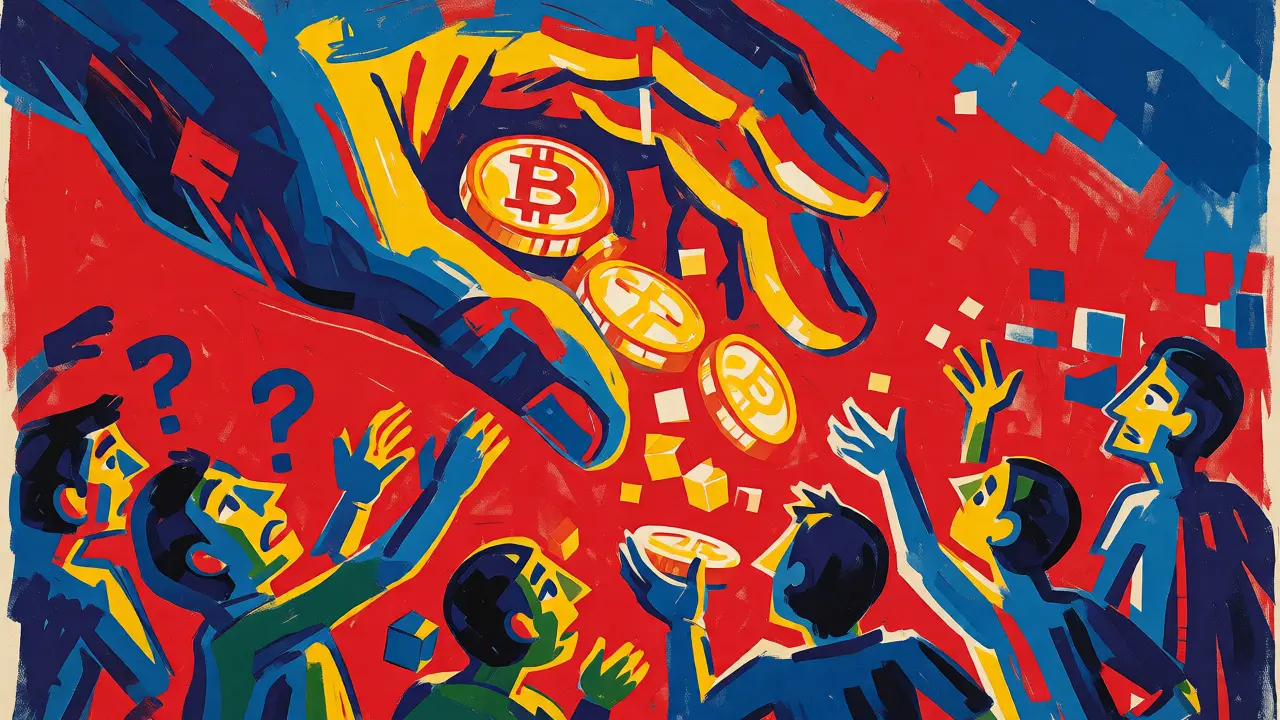
Imagine waking up to find that your government just handed you $30 in digital cash, but there’s a catch: you have to learn how to use a new app, and half the merchants don’t know what to do with it. That was the reality for millions of people in El Salvador when they became the first country on Earth to make Bitcoin legal tender. It wasn’t just a tech experiment; it was a radical overhaul of a nation’s financial plumbing. But did it actually fix the economy, or did it just create expensive headaches?
The Big Gamble: Why El Salvador Went All-In
Before September 7, 2021, El Salvador ran its economy on the U.S. dollar. This provided stability but left little room for monetary policy flexibility. President Nayib Bukele saw an opportunity to bypass traditional banking bottlenecks. The primary driver wasn’t ideological love for decentralization-it was cold, hard math regarding remittances.
Remittances-money sent home by Salvadorans living abroad-make up more than 20% of the country’s GDP. Sending money through traditional channels like Western Union can cost anywhere from 5% to 10% in fees. For a family surviving on a few hundred dollars a month, losing $20 to wire transfer fees is devastating. The logic was simple: if you send money via the Bitcoin Lightning Network, the fee drops to pennies, and the transaction settles in seconds rather than days.
To kickstart this, the government didn’t just pass a law; they threw money at the problem. They allocated $150 million in public funds to buy Bitcoin and back the new system. They launched the Chivo Wallet, a mobile app designed to bridge the gap between volatile crypto and stable fiat currency. Every citizen who downloaded it got a $30 bonus. It was a massive customer acquisition campaign disguised as national policy.
The Chivo Wallet Reality Check
You might think that giving away free money would lead to instant mass adoption. In theory, yes. In practice, human behavior is messier. While about half of Salvadoran households downloaded the Chivo app initially, the numbers tell a different story about actual usage.
A study by researchers from the National Bureau of Economic Research (NBER) surveyed 1,800 households and found that adoption stalled quickly. More than 60% of early downloaders never made another transaction after spending their initial $30 bonus. Another 20% hadn’t even spent the bonus yet. Who was actually using it? Mostly young, educated, urban males who already had bank accounts. The unbanked population-the very group the government claimed to help-struggled with the learning curve.
| Factor | Government Expectation | Actual Outcome |
|---|---|---|
| User Base | Unbanked rural poor | Banked urban youth |
| Transaction Volume | High daily retail usage | Stalled after initial bonus spend |
| Merchant Acceptance | Mandatory by law | Widespread resistance due to volatility risk |
| Infrastructure | Seamless integration | Technical glitches and connectivity issues |
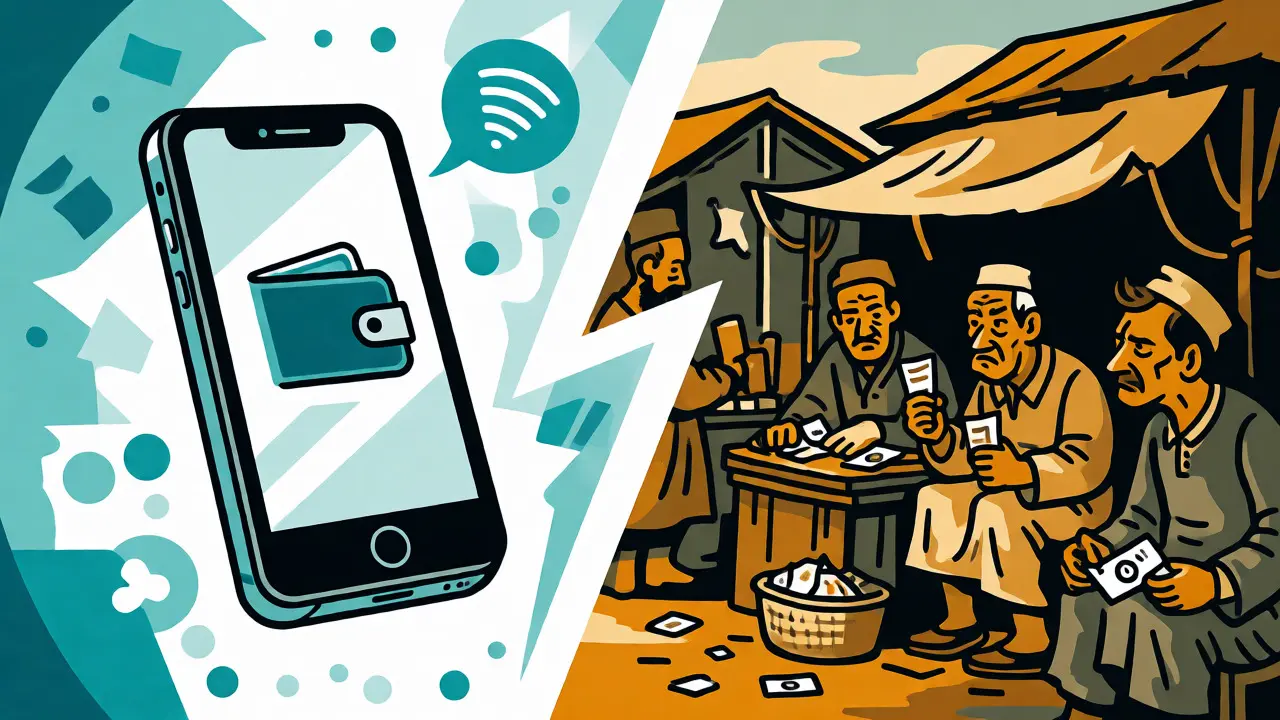
The technical hurdles were real. Internet access in rural areas isn’t universal, and smartphone literacy varies. Plus, merchants were legally required to accept Bitcoin, but they could instantly convert it to dollars. This meant the merchant took on zero price risk, but they also gained zero benefit. If you’re running a small shop, why bother dealing with a new, confusing payment method when cash works fine?
Volatility and the IMF Pushback
Here’s the elephant in the room: Bitcoin is volatile. One day it’s worth $60,000; the next, it’s down 20%. For a national treasury, holding reserves in an asset that swings wildly in value is risky business. The International Monetary Fund (IMF) sounded the alarm early on. They warned that adopting a speculative asset as legal tender could destabilize the macroeconomy, especially for a developing nation with limited fiscal buffers.
They weren’t wrong. By 2024, the pressure became undeniable. El Salvador agreed to a $1.4 billion loan package with the IMF, but it came with strings attached. To secure the funding, Bukele’s administration had to agree to partially limit the state’s involvement with Bitcoin. Specifically, the government committed to reducing its role in promoting the cryptocurrency and ensuring that the central bank wouldn’t be forced to hold Bitcoin on its balance sheet indefinitely.
This concession marked a significant retreat from the original maximalist vision. The dream of replacing the dollar entirely faded into a pragmatic compromise: keep Bitcoin as legal tender for optics and niche use cases, but rely on traditional finance for the heavy lifting. The IMF’s stance highlights a broader truth: international financial institutions are skeptical of sovereign crypto experiments because they introduce variables that standard monetary policy tools can’t easily control.
Did It Actually Help Remittances?
Let’s look at the core promise again: cheaper remittances. Did sending money via Bitcoin actually save families money? The data is mixed. While the theoretical cost of a Bitcoin transaction is near zero, the practical friction remains high.
First, the sender needs to understand crypto. Second, the receiver needs a working smartphone and internet connection. Third, both sides need to navigate exchange rates. For many Salvadoran families, sticking with established services like Western Union or newer fintech apps like Bitso (which uses stablecoins) remained easier. Stablecoins, which are pegged to the dollar, offer the speed of blockchain without the volatility of Bitcoin. Ironically, much of the "crypto" activity in Latin America involves stablecoins, not Bitcoin itself.
Furthermore, the infrastructure required to support Bitcoin payments-ATMs, point-of-sale systems, reliable electricity-required significant upfront investment. The government installed hundreds of Bitcoin ATMs, but maintenance and user education lagged behind hardware deployment. A machine sitting in a town square doesn’t teach grandma how to scan a QR code.
The Tourism and Branding Effect
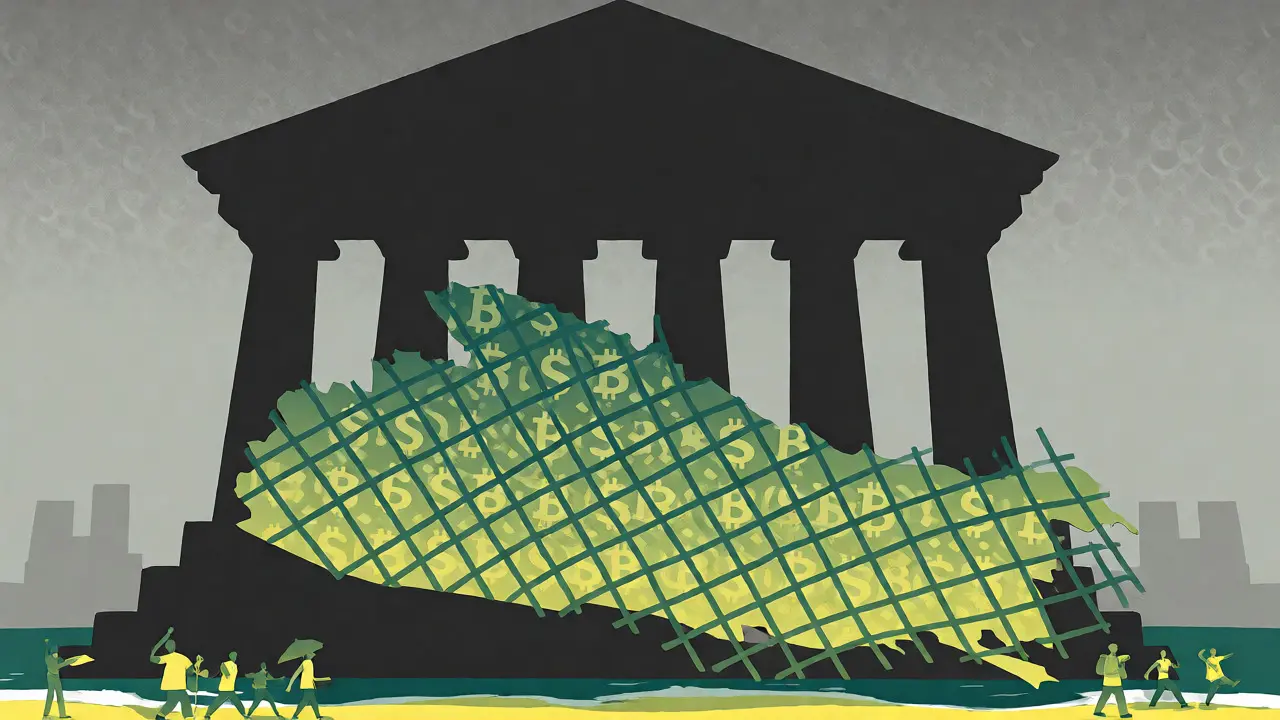
If we judge El Salvador’s Bitcoin move solely by household adoption, it looks like a flop. But there’s another angle: branding. Before 2021, El Salvador was known for gang violence and poverty. Today, it’s known as the "Bitcoin Beach" destination. President Bukele leveraged the crypto narrative to attract tourists and foreign investors. The concept of "Bitcoin Beach" in El Zonte turned a sleepy fishing village into a hub for digital nomads. Tech conferences flock to San Salvador now. This soft power has tangible economic benefits. Hotels fill up, restaurants get busy, and foreign direct investment (FDI) inflows have seen upticks in sectors adjacent to tech and tourism.
However, critics argue that this branding boost comes at a high fiscal cost. The government spent millions on marketing, subsidies, and infrastructure while the average citizen saw little change in their daily purchasing power. The Economist noted in 2025 that the experiment brought more costs than benefits to the general economy, suggesting that the gains accrued mostly to a small elite and the government’s international image, rather than the broad population.
What Comes Next for Crypto-Nations?
El Salvador’s journey serves as a cautionary tale and a blueprint for other nations considering similar moves. The key takeaway isn’t that Bitcoin is bad technology; it’s that forcing a complex financial tool onto a population with varying levels of digital literacy creates friction.
- Education First: You cannot skip the educational phase. Wallets are useless if users don’t understand private keys or network fees.
- Volatility Management: Nations need stable units of account. Bitcoin’s volatility makes it poor for pricing goods and services unless constantly converted to fiat.
- Infrastructure Reliability: Digital currencies require robust digital infrastructure. Power outages and dead zones kill adoption.
As we move deeper into 2026, El Salvador maintains Bitcoin as legal tender, but the fervor has cooled. The focus has shifted toward integrating stablecoins and improving digital banking rails rather than pushing pure Bitcoin transactions. Other countries watching from the sidelines, like Nigeria or Argentina, are likely taking notes. They see that while being "first" gets headlines, being "stable" keeps the lights on.
For the average Salvadoran, life hasn’t been revolutionized by blockchain. They still pay in dollars, use traditional banks, and worry about inflation. But the door is open. The experiment proved that a nation can technically adopt a decentralized currency, even if the cultural and economic transition takes far longer than a presidential decree suggests.
Is Bitcoin still legal tender in El Salvador?
Yes, Bitcoin remains legal tender in El Salvador. However, the 2024 agreement with the IMF allows businesses and individuals to refuse Bitcoin payments if they prefer, effectively making acceptance optional in practice despite the legal mandate. The government continues to promote its use, but enforcement has softened significantly compared to the early days of the rollout.
Why did most Salvadorans stop using the Chivo Wallet?
Most users stopped using the Chivo Wallet after spending their initial $30 bonus because of technical difficulties, lack of merchant acceptance, and the complexity of managing crypto assets. Many found traditional cash or USD-based digital wallets easier to use for daily transactions, especially in areas with unreliable internet access.
How much did El Salvador spend on its Bitcoin initiative?
The government initially set aside $150 million in public funds to purchase Bitcoin and support the infrastructure. Additional costs included the development and maintenance of the Chivo Wallet app, installation of Bitcoin ATMs, and extensive marketing campaigns. Exact total expenditures vary as purchases were timed against market prices, but the fiscal impact was significant relative to the country's budget.
Did the IMF force El Salvador to abandon Bitcoin?
No, the IMF did not force El Salvador to abandon Bitcoin entirely. Instead, the 2024 loan agreement required El Salvador to reduce the state's active promotion of Bitcoin and ensure that the central bank does not bear excessive risk from holding volatile crypto assets. It was a compromise to maintain access to international credit markets.
Are remittances cheaper with Bitcoin?
Theoretically, yes. Bitcoin transactions via the Lightning Network cost fractions of a cent. However, in practice, the savings depend on the sender's ability to navigate crypto exchanges and the recipient's ability to cash out. For many, the time and effort costs outweigh the small fee savings, leading them to stick with traditional remittance services.