GameZone (GZONE) IDO Launch, Tokenomics, and Airdrop Guide
 May, 29 2026
You’ve probably seen the buzz around GameZone, also known as GZONE, which is a blockchain gaming launchpad designed to democratize access to Initial Game Offerings for everyday players. The name keeps popping up in crypto forums, especially when people talk about airdrops or early-stage gaming tokens. But here’s the thing: if you’re looking for a simple "click and claim" free money scheme, you might be disappointed. The reality of GameZone is more complex-and potentially more rewarding-if you understand how it actually works.
Launched in 2021 under the umbrella of BlueZilla, a well-known incubator for crypto startups, GameZone wasn’t built just to hand out free tokens. It was created to solve a specific problem: big whales and venture capitalists were dominating early access to promising blockchain games. GameZone stepped in to give regular gamers a shot at getting in on the ground floor of new projects through its tier-based system. Understanding this distinction is crucial before you stake any time or money into the ecosystem.
What Exactly Is GameZone?
At its core, GameZone is an incubator and launchpad for GameFi (gaming finance) projects. Think of it as a bridge between developers creating new blockchain games and players who want to play them-and profit from them-early. Unlike traditional launchpads that might focus solely on DeFi protocols, GameZone specializes in video games and NFTs.
The platform operates across several major blockchains, including Polygon, Binance Smart Chain, Solana, and Ethereum. This multi-chain approach means users aren't locked into one network's fees or speed limitations. When a new game launches via GameZone, it typically goes through an Initial Game Offering (IGO) or an Initial NFT Offering (INO). These are similar to IPOs in the stock market but for digital assets.
One of the key features that sets GameZone apart is its partnership with BlueZilla. BlueZilla has a track record of accelerating top-tier crypto startups, providing legal support, marketing assistance, and technical development resources. This backing adds a layer of credibility that many standalone launchpads lack. For a developer, getting selected by GameZone means access to a full-service incubation program. For a player, it means vetted projects rather than random, unverified tokens.
The IDO Launch: How It Happened
To understand where GZONE stands today, we need to look back at its Initial DEX Offering (IDO) in September 2021. An IDO is how a project first lists its token on a decentralized exchange, allowing the public to buy in. GameZone didn’t just open the doors; they structured the fundraising carefully to ensure stability.
The fundraising process happened in three distinct phases:
- Private Sale: This raised $110,000 from early investors and partners.
- Initial DEX Offering (IDO): This public sale generated an additional $112,500.
- Strategic Funding Round: This secured a massive $1 million injection, bringing the total capital raise to $1.22 million.
This structure provided GameZone with substantial resources to build its platform immediately after launch. The initial market capitalization was set at $155,000. Shortly after the IDO completed, the GZONE token saw strong momentum, reaching an all-time high of $1.18 on November 18, 2021. That price point represented peak optimism in the GameFi sector during that bull run.
However, like most crypto assets launched in 2021, GZONE experienced significant volatility as the broader market cooled down. By March 2025, the token hit an all-time low of $0.003617. As of May 2026, it trades around $0.00274. While these numbers look stark compared to the 2021 highs, they reflect the current bearish sentiment in the wider cryptocurrency market, not necessarily a failure of the platform itself.
Tokenomics: The Deflationary Model
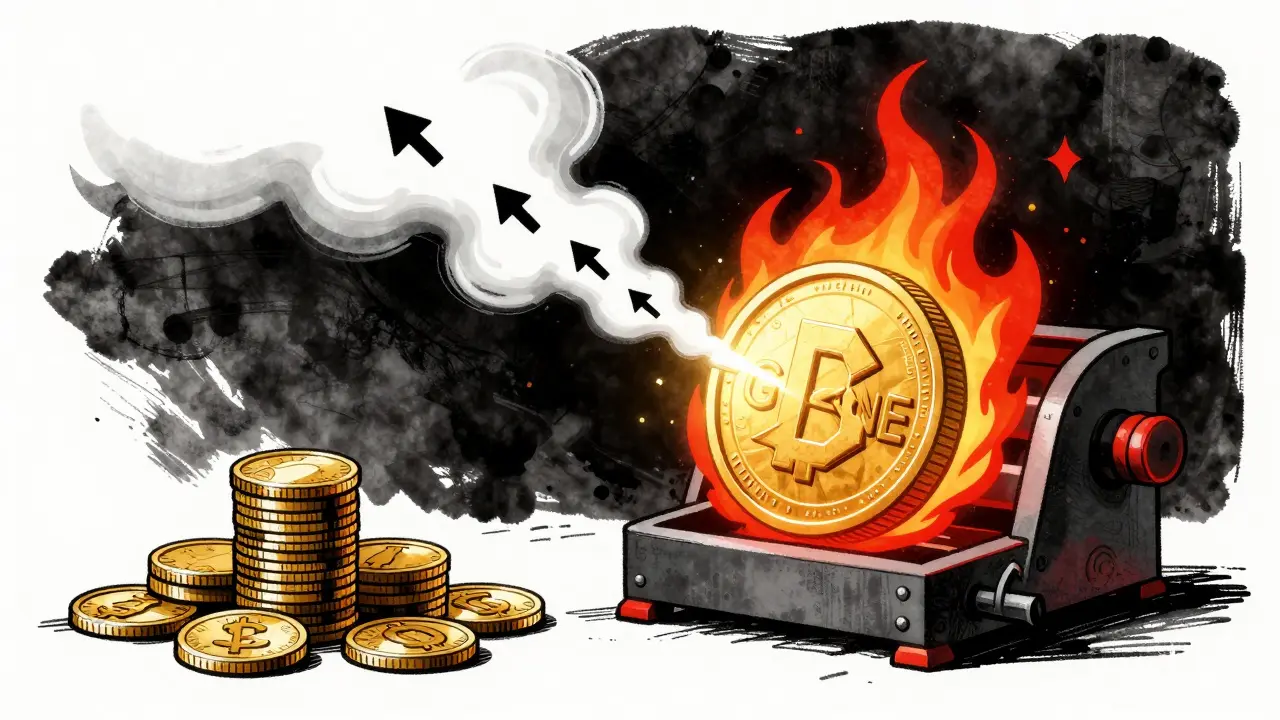
The value proposition of holding GZONE isn't just about speculation; it's built into the token's mechanics. GameZone uses a deflationary model designed to reduce supply over time, theoretically increasing scarcity and value for long-term holders.
Here’s how the fee structure works:
- Total Supply Cap: 1 billion GZONE tokens.
- Sell Fee: A 7% fee is applied to every sell order of GZONE.
- Burn Mechanism: 2% of that fee (tokens) is permanently burned, removing them from circulation forever.
- Staking Rewards: 5% of that fee is distributed as rewards to those staking their GZONE tokens.
This creates a continuous loop: selling reduces supply and rewards holders. Additionally, there’s an early unstaking fee that can reach up to 25%. This penalty discourages short-term flipping and encourages participants to stay committed to the ecosystem. Currently, about 421.5 million GZONE tokens are in circulation, meaning nearly 60% of the supply is either burned, locked, or held by the team/foundation.
Does GameZone Have an Airdrop?
This is the question everyone asks. If you search for "GameZone airdrop," you might find outdated threads or misleading claims. Here is the straightforward truth: GameZone does not operate a traditional "free-for-all" airdrop campaign where you connect a wallet and receive free tokens instantly.
Instead, the "airdrop" experience is integrated into the staking system. Because 5% of the sell fees are distributed as staking rewards, active participants effectively receive a continuous stream of new tokens. If you stake your GZONE, you earn more GZONE. This is often referred to as a passive income model rather than a one-time airdrop.
Furthermore, being part of the GameZone ecosystem gives you access to future airdrops from partner projects. Since GameZone incubates other games, successful IGOs sometimes include bonus allocations for existing GZONE stakers. Projects like Katana Inu, Galactic Quadrant, and Velhalla have launched through the platform, and early supporters of GameZone often received priority access or bonuses in these subsequent launches. So, while there isn't a direct GZONE token giveaway, the utility of holding the token acts as a ticket to future distributions.
The Tier-Based Allocation System
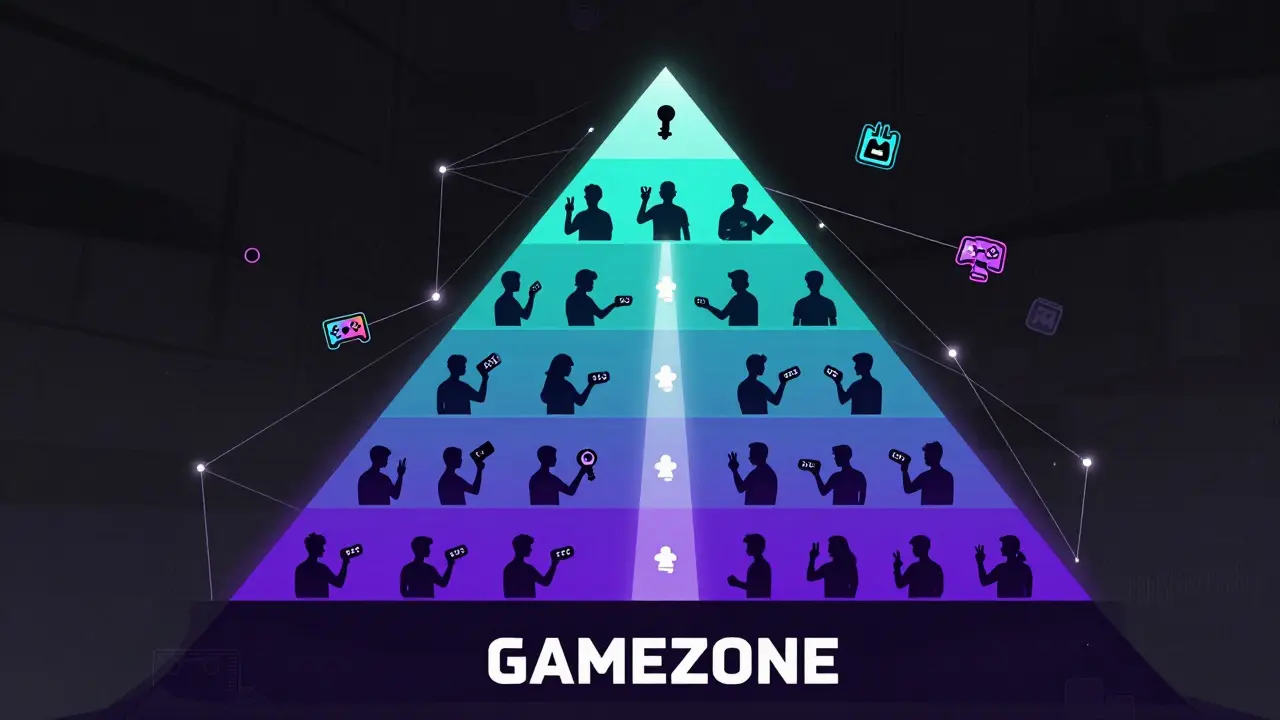
How do you get better access to these lucrative game launches? You use the tier system. GameZone doesn’t treat all users equally; it rewards commitment. The system is based on how much GZONE you stake and for how long.
There are four distinct tiers. The more GZONE you lock up, the higher your "pool weight." Pool weight determines your allocation size in new Initial Game Offerings. Imagine a popular new game launching with only 10,000 spots available. Users in Tier 1 might get a tiny fraction, while Tier 4 users could secure significantly larger positions. This ensures that dedicated community members-who have shown faith in the platform-are rewarded with better opportunities.
This system directly addresses the whale problem mentioned earlier. While large holders still have advantages, the tiered structure allows mid-sized holders to compete fairly against institutional investors who might otherwise dominate the entire supply.
Market Outlook and Price Predictions
Where is GZONE headed in 2026 and beyond? Analysts have varying opinions, but the general consensus ties the token's performance to the broader adoption of blockchain gaming. Some forecasts suggest an average price of $1.43 for 2025, with potential peaks at $2.50. For 2026, projections indicate continued momentum, possibly averaging $2.50 with highs near $3.70, driven by new partnerships and enhanced gaming features.
However, caution is warranted. Technical indicators currently show bearish conditions. The Fear & Greed Index sits at 26 (Fear), and the 14-Day RSI is at 15.56, suggesting the asset is oversold but lacking immediate buying pressure. The 50-Day and 200-Day Simple Moving Averages (SMA) indicate sustained downward pressure. Corrections are expected in 2027 and 2028, with averages dropping to $1.85 and $1.50 respectively.
If you are considering entering now, you are buying into a recovery phase. The risk is high, but the potential upside exists if the GameFi sector rebounds as predicted.
| Attribute | Value / Detail |
|---|---|
| Launch Year | 2021 |
| Parent Ecosystem | BlueZilla |
| Total Supply | 1 Billion GZONE |
| Circulating Supply | ~421.5 Million |
| All-Time High | $1.18 (Nov 2021) |
| Sell Fee Structure | 7% (2% Burn, 5% Staking) |
| Supported Chains | Polygon, BSC, Solana, Ethereum |
How to Get Started with GameZone
If you decide to participate, here is the practical path forward. First, you need a compatible wallet like MetaMask or Trust Wallet. Ensure it supports the networks GameZone operates on (Polygon and BSC are the most common for lower fees).
Next, acquire GZONE tokens from a reputable decentralized exchange (DEX) like PancakeSwap or Uniswap. Once you have the tokens, navigate to the official GameZone staking dashboard. Connect your wallet and select your desired tier based on how many tokens you wish to lock. Remember the early unstaking penalty-only lock what you plan to hold for the long term.
Finally, keep an eye on the GameZone Marketplace. This feature allows users to buy and sell NFTs related to the incubated games. Engaging with the marketplace can provide additional utility and potential earnings beyond just staking rewards.
Is GameZone safe to use?
GameZone operates under the BlueZilla ecosystem, which has a strong reputation in the crypto space. However, as with any DeFi platform, you should always verify contract addresses and never share your private keys. The platform has undergone audits typical for BlueZilla-backed projects, but standard crypto security practices apply.
Can I withdraw my GZONE anytime?
Yes, but be aware of the penalties. Withdrawing early can incur a fee of up to 25% depending on your staking tier and duration. It is designed to encourage long-term holding. Check the specific terms of your chosen tier before locking funds.
Are there any free GZONE airdrops available right now?
No, there are no active free-for-all airdrops for GZONE tokens. Any website claiming to give away free GZONE is likely a scam. The primary way to earn more GZONE is through staking rewards derived from transaction fees.
Which blockchain is best for using GameZone?
GameZone supports multiple chains, but Polygon and Binance Smart Chain (BSC) are generally preferred due to lower transaction fees and faster speeds compared to Ethereum. Solana is also supported for specific high-performance gaming applications.
What happens to the burned GZONE tokens?
Burned tokens are sent to a dead address and are permanently removed from circulation. This reduces the total supply, which can help increase the value of remaining tokens over time, assuming demand stays constant or grows.