How to Buy Crypto with Fiat in India: A Practical Guide for 2026
 Jun, 5 2026
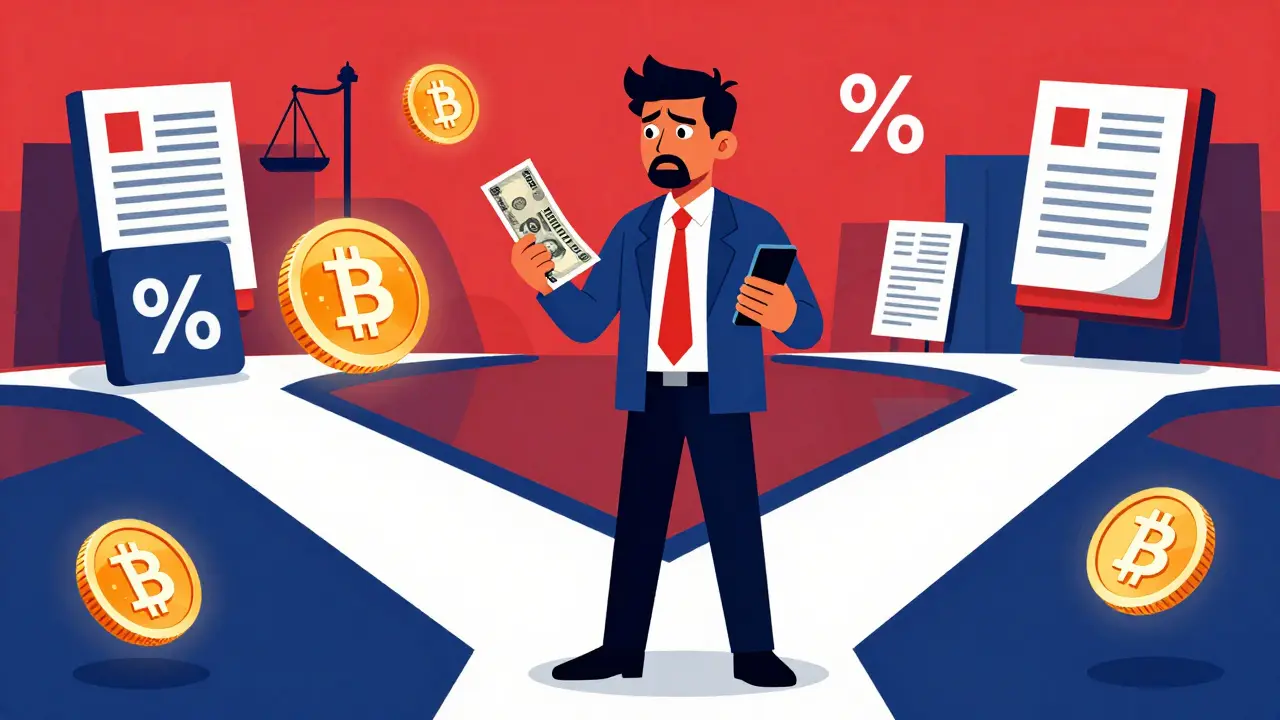
Buying cryptocurrency in India isn't illegal, but it feels like navigating a minefield if you don't know the rules. You might have heard conflicting stories: some say it's banned, others say it's the next big investment wave. The truth sits somewhere in the middle. As of 2026, holding and trading crypto is legal following the Supreme Court's 2020 ruling, but the government has made it expensive and heavily monitored through strict taxation and reporting requirements.
If you are looking to convert your Indian Rupees (INR) into Bitcoin or Ethereum, you need more than just an app on your phone. You need to understand the tax implications, choose a compliant exchange, and secure your assets properly. This guide cuts through the noise to show you exactly how to buy crypto with fiat currency in India today, avoiding common pitfalls that cost beginners money and headaches.
The Legal Landscape: What You Need to Know Before Spending
First, let’s clear up the biggest confusion. Cryptocurrency is not banned in India. However, it is treated as a speculative asset rather than a recognized currency. This distinction matters because it dictates how you pay taxes and how exchanges operate.
The most critical rule to remember is the tax structure introduced in the 2022 budget and still active in 2026:
- 30% Flat Tax on Profits: Any profit you make from selling crypto is taxed at 30%, regardless of your income slab. There are no deductions allowed for losses against profits.
- 1% TDS (Tax Deducted at Source): Every time you sell or transfer crypto above a certain threshold, the exchange deducts 1% TDS. This is not a tax; it’s an advance payment toward your annual tax liability. You can claim this back when filing your returns, but it reduces your liquid cash temporarily.
- No Foreign Exchange Access: Most Indian exchanges block deposits from foreign wallets or cards due to RBI guidelines. You must use INR via bank transfers or UPI.
Ignoring these rules can lead to blocked accounts or hefty penalties during tax audits. Always keep records of every transaction.
Step-by-Step: How to Buy Crypto in India
The process itself is straightforward if you follow the correct sequence. Here is the practical workflow used by millions of Indian investors.
- Choose a Compliant Exchange: Pick a platform that is registered with the Financial Intelligence Unit (FIU) and complies with TDS regulations. Popular choices include WazirX, which is India's leading domestic exchange known for seamless UPI integration and high liquidity. Other options include CoinDCX and ZebPay.
- Complete KYC Verification: You cannot trade without verifying your identity. You will need your PAN card and Aadhaar card. Most apps require a selfie holding your PAN card to prevent fraud. This process usually takes 15-30 minutes.
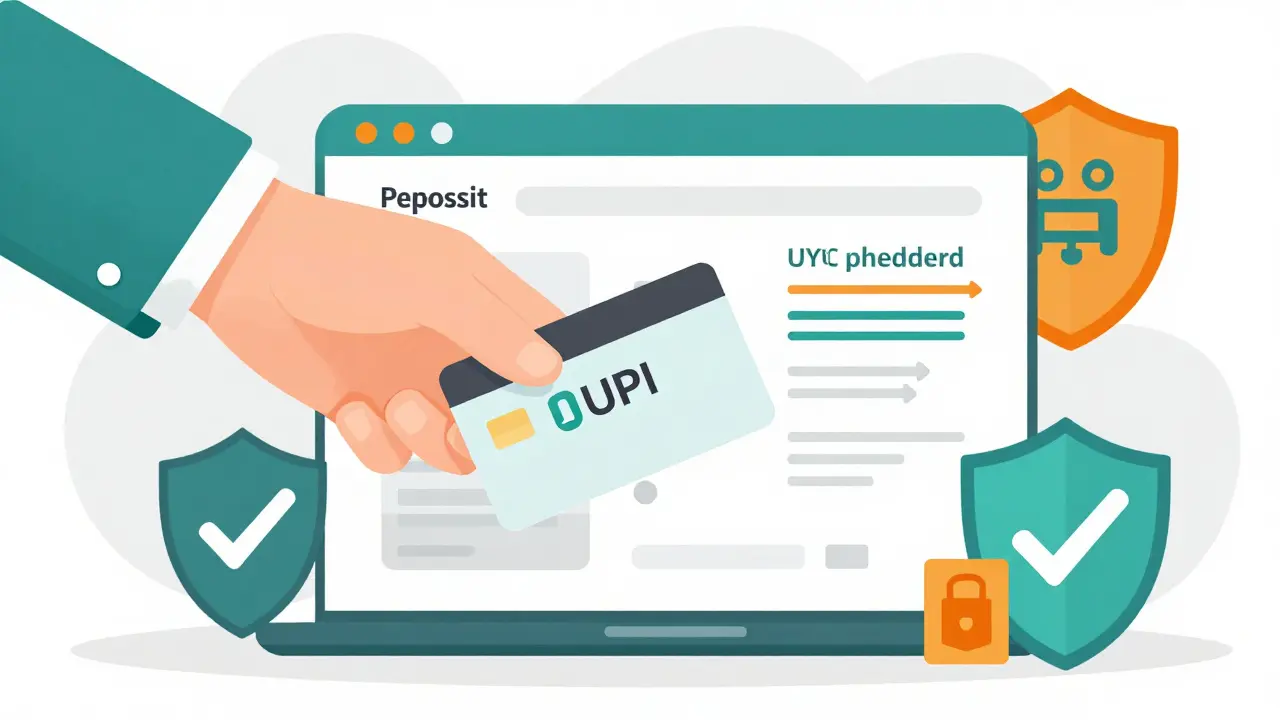
- Deposit INR: Link your bank account. The fastest method is UPI (Unified Payments Interface). Banks often impose limits on daily UPI transactions, so plan your deposit accordingly. For larger amounts, use NEFT/IMPS directly from your banking app.
- Execute the Trade: Once your INR balance reflects, go to the spot market. Search for BTC/INR or ETH/INR. Place a 'Market Order' to buy instantly at the current price, or a 'Limit Order' if you want to buy at a specific lower price.
- Secure Your Assets: For small amounts, leaving them on the exchange is convenient. For significant holdings, withdraw to a private wallet.
Choosing the Right Exchange: Domestic vs. International
Not all exchanges are created equal in the Indian context. The primary difference lies in regulatory compliance and ease of depositing rupees.
| Exchange | TDS Compliance | Min. Deposit | Best For | Fees (Approx.) |
|---|---|---|---|---|
| WazirX | Yes | ₹100 | Beginners & UPI Users | 0.20% |
| CoinDCX | Yes | ₹100 | Security & Education | 0.40% |
| ZebPay | Yes | ₹100 | Mobile Experience | 0.15%-0.50% |
| Binance (Global) | No (Manual) | Varies | Advanced Traders | 0.10% |
Why Domestic Exchanges Are Safer Now: In recent years, international giants like Coinbase exited the Indian market due to regulatory pressure. Using a domestic exchange ensures that your TDS is automatically deducted and reported to the Income Tax Department. If you use a non-compliant foreign exchange, you are responsible for calculating and paying TDS manually, which many users fail to do, leading to tax notices later.
Understanding Fees and Hidden Costs
Trading fees can eat into your profits, especially if you are buying small amounts frequently. Here is what to watch out for:
- Trading Fees: Most Indian exchanges charge between 0.15% and 0.50% per trade. Some offer discounts if you hold their native tokens (like ZRX on WazirX), but be cautious-buying tokens just for fee discounts adds another layer of complexity.
- Payment Gateway Fees: Depositing via credit/debit card often incurs a 2-3% surcharge. Always use bank transfers or UPI to avoid this.
- Withdrawal Fees: Withdrawing crypto to an external wallet costs network fees. Bitcoin withdrawals typically cost ₹100-₹300 depending on network congestion. Ethereum fees vary wildly based on gas prices.
Pro Tip: If you are investing long-term, buy once and hold. Frequent buying and selling triggers TDS and trading fees, reducing your net return significantly.
Security: Protecting Your Investment
In 2025-2026, security breaches remain a concern. While major exchanges store most funds in cold storage, your personal account security is your responsibility.
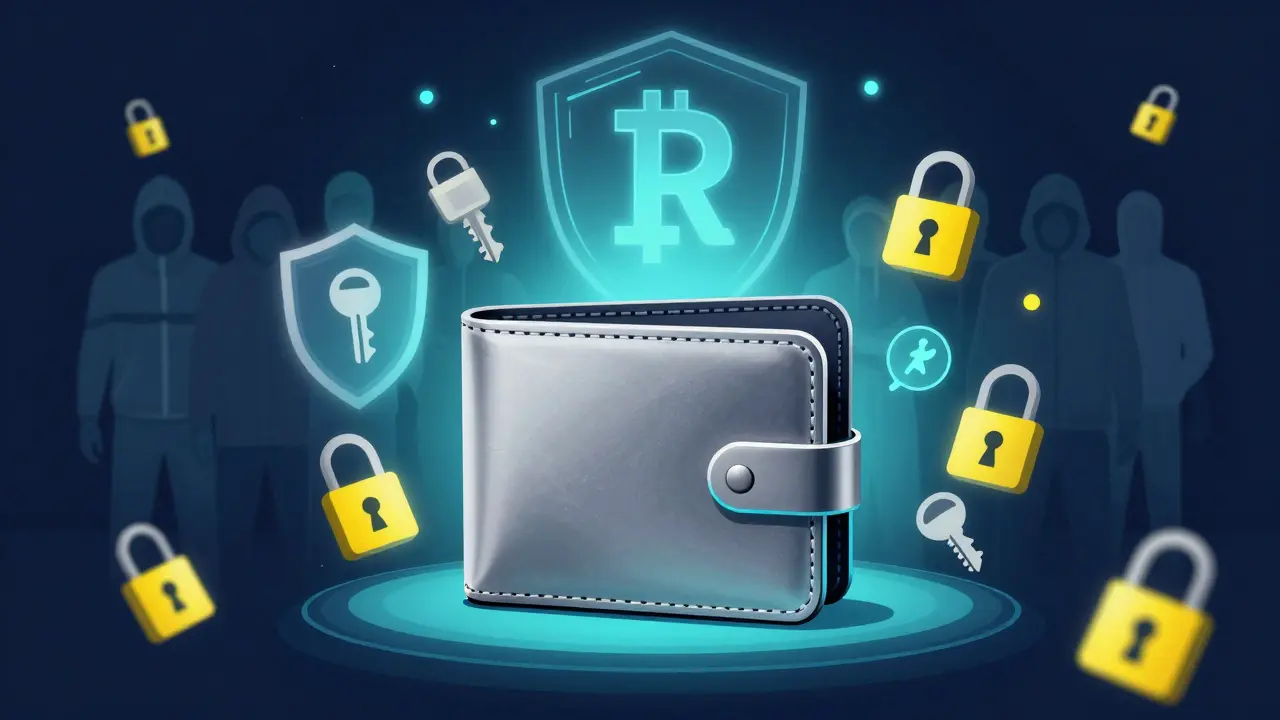
Enable Two-Factor Authentication (2FA) immediately after signing up. Do not use SMS-based OTPs alone, as they are vulnerable to SIM-swapping attacks. Use an authenticator app like Google Authenticator or Authy.
For serious investors, consider a hardware wallet. Devices like the Ledger Nano S+ cost around ₹11,999 but provide offline storage for your private keys. This means even if the exchange gets hacked, your coins are safe. Only about 28% of Indian users currently use hardware wallets, making the majority vulnerable to exchange insolvency or hacks.
Tax Reporting Made Simple
You cannot ignore the taxman. Under Section 194S of the Income Tax Act, exchanges report your sales to the government. When you file your ITR (Income Tax Return), you must disclose capital gains from crypto.
Keep a spreadsheet of:
- Date of purchase
- Amount paid in INR
- Date of sale
- Amount received in INR
- TDS certificate (Form 16A) issued by the exchange
Many users find tools like Koinly or CoinLedger helpful to automate this tracking, though manual spreadsheets work fine for low-volume traders. Remember, the 30% tax applies only to *profits*. If you sell at a loss, you don't pay tax, but you also cannot offset this loss against other income sources.
Future Outlook: Digital Rupee and Regulation
The landscape is evolving. The Reserve Bank of India (RBI) has been piloting the Digital Rupee (CBDC) since late 2025. While this is different from decentralized crypto like Bitcoin, it signals India's move toward digital payments. Keep an eye on the proposed Crypto Asset Regulation Bill, which aims to bring clearer definitions and potentially adjust tax structures. Until then, the current 30%+4% cess regime remains the standard.
Is it legal to buy Bitcoin in India in 2026?
Yes, it is legal to buy, hold, and trade cryptocurrencies in India. The Supreme Court lifted the banking ban in 2020. However, it is heavily regulated with a 30% tax on profits and 1% TDS on transactions.
Which exchange is best for beginners in India?
WazirX is widely considered the best for beginners due to its user-friendly interface, low minimum deposit (₹100), and instant UPI integration. CoinDCX is another strong option with robust security features.
Do I need to pay tax if I lose money on crypto?
No, you do not pay tax on losses. However, unlike stocks, you cannot carry forward crypto losses to offset future profits or other income sources under current Indian tax laws.
Can I use PayPal or Credit Cards to buy crypto?
Most Indian banks block direct credit card transactions for crypto purchases due to RBI guidelines. PayPal does not support direct crypto-to-INR conversion for trading. Stick to UPI and bank transfers (NEFT/IMPS) for reliable deposits.
What happens if I forget my 2FA code?
If you lose access to your 2FA app, you must contact customer support. Be prepared to submit detailed KYC documents and answer security questions. This process can take several days, so always backup your 2FA recovery codes in a safe place.