Kazakhstan Crypto Mining Ban: How Grid Collapse Forced the Shutdown
 Jun, 18 2026
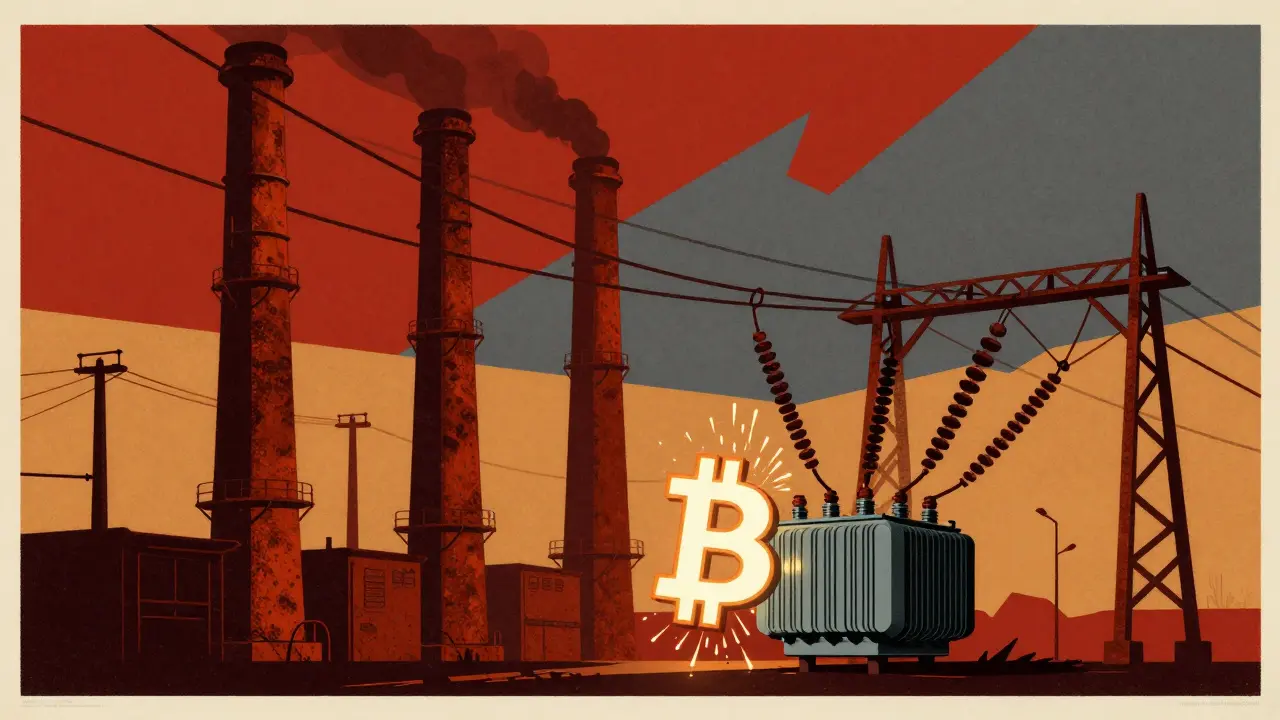
Imagine flipping a switch and nothing happens. No lights, no heat, no internet. For millions of people in Kazakhstan, this isn't a hypothetical disaster scenario-it’s a recurring reality. The country’s power grid is buckling under the weight of aging infrastructure and surging demand. And one major driver of that demand? Cryptocurrency mining.
In recent years, Kazakhstan became a haven for crypto miners fleeing stricter regulations elsewhere. But the cheap electricity that attracted them also strained an already fragile system. Now, with over one-third of power plants showing severe wear, the government has taken drastic measures. Understanding why these bans happened-and what they mean for the future-requires looking beyond just crypto. It’s about energy security, economic survival, and the race to modernize before the lights go out for good.
The Aging Backbone: Why the Grid Is Failing
To understand the crackdown on crypto mining, you first need to understand the physical state of the grid. It’s not just "old." It’s critically deteriorated. As of early 2024, more than one-third of Kazakhstan’s power plants were operating with 70% to 90% wear and tear. That means nearly every third plant was running on fumes, held together by maintenance patches rather than robust engineering.
KEGOC, the national grid operator, manages a massive network. On paper, it looks impressive: 220 active power plants as of January 1, 2024. The total installed capacity sits at roughly 24,641 MW, with available capacity around 20,428 MW. But numbers don’t tell the whole story. The real problem lies in transmission. Regional grids are in worse shape than national ones. Some local networks report deterioration levels as high as 97%. When infrastructure decays that fast, accidents become frequent, and service interruptions turn into blackouts.
Zhakyp Khairushev, managing director of the Atameken National Chamber of Entrepreneurs, pointed out a stark divide. Cities of national importance keep technical losses below 9%, which is considered normal. But regional networks? They’re struggling. In places like Oral, where Khairushev worked, losses hit 18%. That means for every five kilowatts generated, one vanished completely due to inefficiency. While improvements have been made-dropping to 13.43% in some areas-the average technical loss across regional grids remains stubbornly high at around 17.42%. Developed economies typically cap these losses at 10-12%. Kazakhstan is far exceeding that limit.
Crypto Mining: The Spark That Strained the System
So, how does cryptocurrency fit into this mess? It didn’t cause the decay, but it accelerated the crisis. Starting around 2017, Kazakhstan emerged as a top global hub for Bitcoin mining. Why? Cheap electricity. Miners moved in droves, setting up massive farms powered by the country’s abundant, low-cost energy resources. At its peak, Kazakhstan accounted for a significant portion of global hashing power.
But crypto mining is incredibly energy-intensive. A single large-scale mining operation can consume as much electricity as a small town. When thousands of rigs run 24/7, the load on the grid becomes unsustainable. During winter peaks, when heating demands soar, the additional strain from mining operations pushed the grid to its breaking point. Blackouts weren’t just inconveniences; they threatened public safety and economic stability.
The government initially tolerated the boom because it brought foreign investment and tax revenue. But as outages became frequent and severe, the tolerance ran out. The narrative shifted from "crypto as an economic opportunity" to "crypto as a threat to national infrastructure." This shift led to strict regulations, including mandatory registration of mining facilities, higher tariffs for miners, and ultimately, outright bans on unregistered or excessive consumption during peak hours.
Regulatory Crackdown: From Tolerance to Prohibition
Kazakhstan’s approach to crypto mining hasn’t been static. It evolved through phases of experimentation, regulation, and finally, restriction. Early policies allowed free operation, assuming the grid could handle the load. When it couldn’t, the Ministry of Energy stepped in. They introduced laws requiring miners to register their equipment and pay commercial rates instead of subsidized industrial ones. This alone forced many smaller operators to shut down.
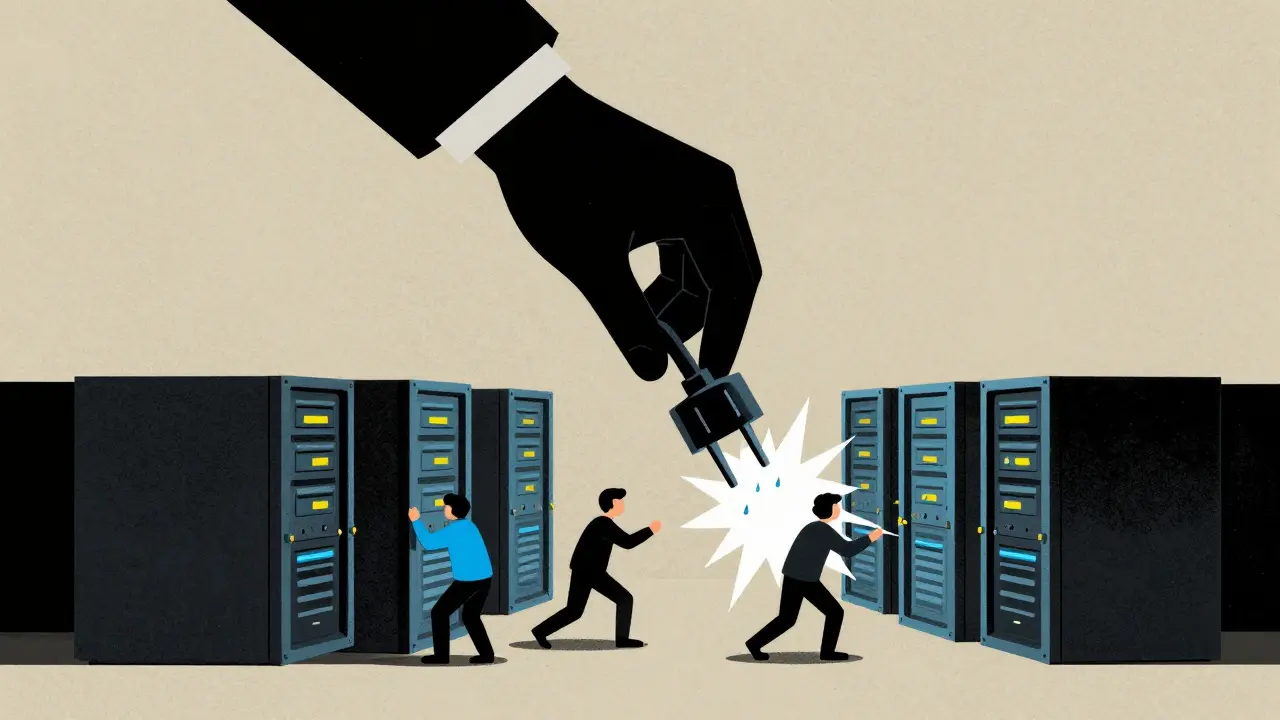
Then came the harder measures. Authorities began disconnecting illegal mining farms. In some regions, entire districts lost power if mining loads exceeded allocated limits. The message was clear: household comfort and critical business operations take precedence over digital currency speculation. These actions weren’t just about saving money-they were about preventing systemic collapse.
This regulatory tightening aligns with broader trends. Countries like China banned crypto mining entirely after similar grid stresses. Kazakhstan chose a middle path: restrict rather than eliminate, aiming to preserve some industry while protecting the grid. However, enforcement varies by region, leading to inconsistencies. Some areas remain hotspots for underground mining, creating ongoing risks.
The Renewable Promise: Can Green Energy Save the Day?
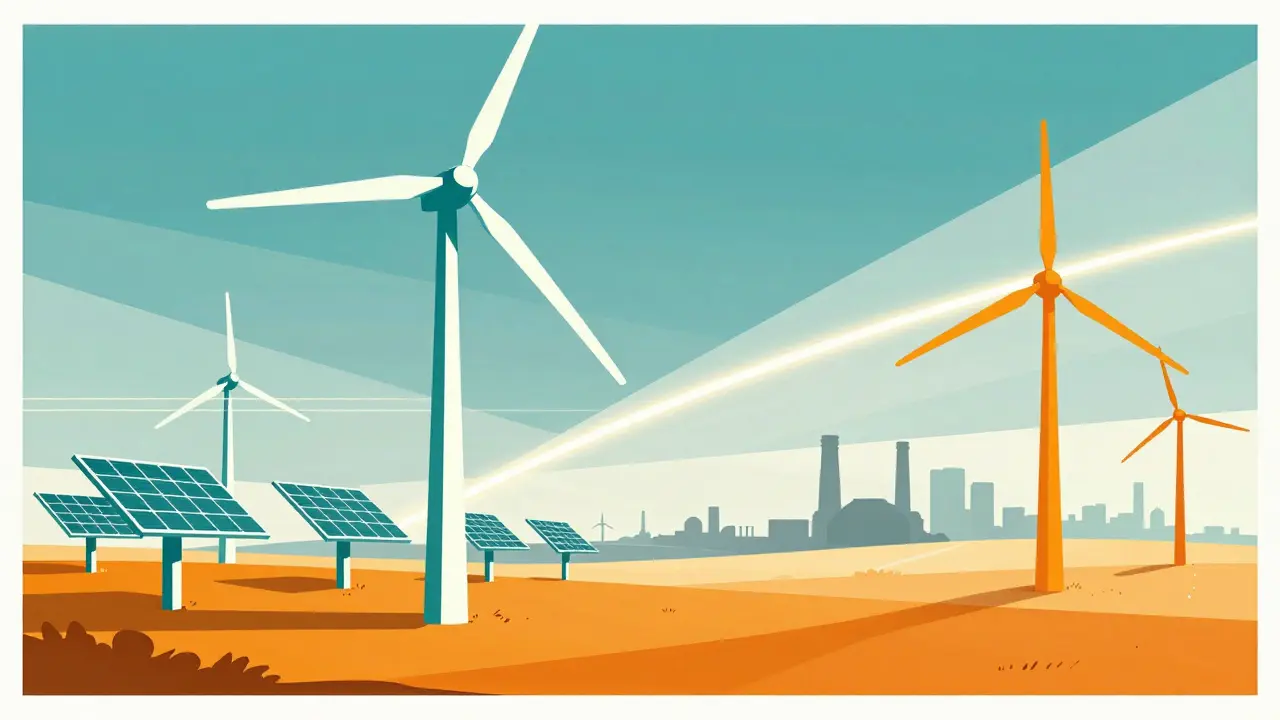
If coal-fired plants are failing and crypto is too heavy, what’s the alternative? Renewables. Kazakhstan is sitting on vast potential for wind and solar energy. The government has committed to building three major wind farms, each with one gigawatt capacity. By 2024, projections suggest solar PV and wind generation will surpass hydropower. More importantly, renewables-based electricity is expected to overtake coal-fired generation by 2025.
Investment commitments exceed $2.6 billion for the renewable sector. That’s substantial, though it still lags behind neighbors like Uzbekistan, which secured $6 billion. The goal is to diversify the energy mix, reducing reliance on aging thermal plants. Distributed generation-smaller, localized renewable sources-could also help stabilize regional grids. Unfortunately, adoption remains slow. Despite favorable legislation, upfront costs prevent households and small businesses from investing in solar panels or wind turbines.
Integrating renewables isn’t simple. Current grids lack the flexibility to handle intermittent sources like wind and solar. Balancing markets are underdeveloped, meaning there’s no efficient way to store excess energy or quickly ramp up production when clouds roll in. KEGOC’s Development Plan for 2023-2032 addresses this by prioritizing interzonal power flows and modernizing backbone grids. Key projects include completing Western Zone integration by 2040 and constructing the North-South HVDC Line between 2024 and 2029. This line will boost transmission capacity by 2,000 MW, connecting distant renewable zones to urban centers.
Future Outlook: Shortages, Smart Grids, and Survival
Looking ahead, the outlook is cautious. Without accelerated upgrades, Kazakhstan faces potential electricity shortages by 2030. Demand continues to grow, driven by population increases and industrial expansion. Supply, however, is constrained by both physical limits and financial barriers. Tariffs have already risen sharply-up 50% by April 2025 compared to the previous year. This hurts consumers and businesses alike, adding pressure to an already strained economy.
Smart grid technology offers hope. Implementing advanced metering, automated controls, and real-time monitoring could reduce technical losses significantly. If Kazakhstan can bring losses down from 17% to under 10%, it would effectively add gigawatts of capacity without building new plants. Yet, implementation requires capital, expertise, and political will-all scarce resources right now.
Internationally, Kazakhstan is exploring connections like the CASA-1000 project via the North-South HVDC Line. This could allow energy imports during crises, providing a buffer against domestic shortfalls. Still, long-term sustainability depends on internal reforms. Decarbonization goals clash with the inflexibility of existing coal plants, which cannot adjust output quickly enough to support renewable integration.
| Metric | Value / Status | Implication |
|---|---|---|
| Power Plant Wear | 70-90% (over 1/3 of plants) | High risk of failure and blackouts |
| Regional Transmission Losses | Avg 17.42% | Massive inefficiency vs. 10-12% standard |
| Renewable Share | 6% of total generation | Early stage transition; needs acceleration |
| Tariff Increase | +50% by April 2025 | Economic pressure on citizens and businesses |
| HVDC Line Capacity Boost | +2,000 MW (by 2029) | Improved transmission for renewables |
What This Means for Crypto Investors
If you’re considering mining in Central Asia, think twice. Kazakhstan is no longer the wildcard paradise it once was. Regulations are tighter, costs are rising, and the grid is unreliable. While opportunities may exist in other emerging markets, the risk-reward ratio here has shifted dramatically. Investors should look toward jurisdictions with stable grids, clear legal frameworks, and supportive renewable policies. Places like Texas in the US or parts of Scandinavia offer better long-term prospects.
For those already invested, diversification is key. Relying solely on one geographic region exposes you to policy shocks and infrastructure failures. Monitor regulatory announcements closely. The Ministry of Energy frequently updates guidelines, and sudden changes can wipe out profits overnight.
Why did Kazakhstan ban crypto mining?
Kazakhstan restricted crypto mining because the intense energy consumption strained an already aging and inefficient power grid. Frequent blackouts and high technical losses forced the government to prioritize residential and essential services over speculative mining activities.
Is crypto mining completely illegal in Kazakhstan?
No, it is not completely illegal. However, it is heavily regulated. Miners must register their facilities, pay commercial electricity rates, and adhere to strict load limits during peak hours. Unregistered or excessive usage can lead to disconnection.
How bad is the electricity grid in Kazakhstan?
The grid is in critical condition. Over one-third of power plants have 70-90% wear and tear. Regional transmission losses average 17.42%, far exceeding the acceptable 10-12% range. This leads to frequent outages and inefficiencies.
What is KEGOC doing to fix the grid?
KEGOC is implementing a development plan through 2032. Key initiatives include modernizing backbone grids, integrating new transmission lines, and building the North-South HVDC Line to increase capacity by 2,000 MW by 2029.
Will renewable energy solve Kazakhstan's power problems?
Renewables are part of the solution but face challenges. While investments exceed $2.6 billion, current renewable share is only 6%. Integration is hindered by outdated grids and lack of storage solutions. Success depends on accelerating deployment and upgrading infrastructure.
How do electricity tariffs affect miners?
Tariffs have increased by 50% since 2024. Miners now pay commercial rates instead of subsidized industrial prices, significantly raising operational costs and squeezing profit margins.
What are technical losses in power grids?
Technical losses refer to electricity wasted during transmission due to resistance, heat, and inefficiencies in cables and transformers. In Kazakhstan, regional losses reach 17.42%, meaning nearly 1 in 5 units of power never reaches the consumer.
When will Kazakhstan complete its grid modernization?
Major milestones include the completion of the North-South HVDC Line by 2029 and full Western Zone integration by 2040. Full modernization is a multi-decade process dependent on continued investment and policy support.
ravi mahla
June 18, 2026 AT 10:27lol imagine being so broke you have to mine bitcoin in a country with crumbling infrastructure just to pay rent 😂 the grid is literally melting down and these guys are still clicking away. typical.
Mark Brunschwiler
June 19, 2026 AT 14:38it feels like we are all just running on a treadmill that is slowly breaking apart beneath our feet. the energy crisis is not just about wires or volts. it is about the soul of the nation. when the lights go out, what is left? darkness. pure void. i feel this pain deeply because i see the pattern everywhere. the greed of the miners mirrors the decay of the grid. it is tragic really. why do we always choose destruction over creation? i wonder if anyone else feels this existential dread when they read about power plants wearing out at 90%. it seems inevitable that we will all end up in the dark together. sharing this burden makes me feel connected to you all even though we are strangers online. please tell me you feel it too.
Terry Hyland
June 20, 2026 AT 10:20they want us to think its just old wires but its clearly a setup by global elites to control the narrative. kazakhstan is a test case for what happens when they let crypto run wild. they banned it to force people back into fiat currency which is easier to track. dont fall for the renewable energy hype either. those wind farms are surveillance towers disguised as green tech. keep your eyes open.
Tim Lefebvre
June 21, 2026 AT 04:56hey guys i work in electrical engineering and can confirm the wear and tear stats are real. most regional grids in post soviet states are from the 70s and never properly updated. the technical losses of 17% are insane compared to western standards where we aim for under 5%. its not just crypto though. industrial load and heating demand in winter kills it. smart meters would help but cost is the barrier. hope this helps explain the physics behind it
JEVON HALL
June 22, 2026 AT 20:22actually the hvdc line mentioned is a big deal 🤯 it allows them to move power from the windy north to the cities in the south without losing half of it in transmission resistance. most people dont understand how much energy is lost in ac lines over long distances. dc is way more efficient for bulk transfer. also solar pv costs have dropped 80% in last decade so renewables might actually save them if they get storage right 🔋⚡️
Dr Lynea LaVoy
June 24, 2026 AT 19:58let's take a step back and look at the human impact here. while we debate the technical merits of hvdc lines or the conspiracy theories, remember that real families are freezing in their homes. the priority should be ensuring basic safety and warmth for citizens before worrying about speculative industries. we need policies that protect the vulnerable first. if you are interested in learning more about community resilience during blackouts i can share some resources on emergency preparedness. it is important to support each other through these transitions.
Matthew Malone
June 26, 2026 AT 17:12pathetic. look at what happens when you rely on foreign technology and weak governance. the united states built a grid that powers the world and we don't have these issues. maybe if they stopped chasing digital gold and focused on actual industry they wouldn't be begging for help. american energy independence is the standard. everyone else is just playing catch up with broken toys.