Memecoin Community Building Strategies: How to Turn Hype into Loyalty
 Sep, 20 2026
You launch a memecoin, the chart spikes, and for twenty-four hours, you feel like a genius. Then the volume dries up. The Telegram chat goes silent. The price bleeds out. Why? Because you built a coin, but you didn't build a community. In the crypto world, code is cheap, but attention is expensive. If you want your token to survive past the first week, you need more than just a funny picture of a dog or a frog. You need a tribe.
Memecoin community building strategies are the tactical methods used to transform transient viral interest into sustained user engagement and long-term token value. It’s not about shouting into the void; it’s about creating an ecosystem where users feel ownership, fun, and connection. Let’s break down how to actually do this without burning out your team or your wallet.
Why Community Is Your Only Real Asset
Traditional cryptocurrency projects rely on utility. They solve problems. They have roadmaps. Memecoins? They run on vibes. But "vibes" are volatile. One day, the internet loves your meme; the next, they’re onto something else. This is why community isn’t just a nice-to-have feature-it’s the bloodstream of the project. Without it, the body dies.
Think about $PEPE or $DOGE. Did their technology change the world? Not really. Their communities did. These groups created shared language, inside jokes, and a sense of belonging that transcended the financial asset itself. When you treat your holders as partners rather than customers, they become evangelists. They don’t just buy; they create content, defend the brand in comments, and recruit friends. That organic momentum is what separates a pump-and-dump from a cultural phenomenon.
Picking Your Battlefields: Platform Strategy
You can’t be everywhere at once, but you must be present where the money moves. For memecoins, the hierarchy of platforms is clear, and ignoring it is fatal.
| Platform | Primary Function | Key Activity |
|---|---|---|
| Twitter (X) | Viral Reach & Narrative Control | Meme distribution, influencer tagging, trending hashtags |
| Telegram | Real-Time Coordination | Raiding calls, alpha sharing, immediate support |
| Discord | Deep Engagement & Retention | Role management, gamification, AMAs, voice chats |
| TikTok/Shorts | Awareness & Virality | Short-form video memes, trend-jacking |
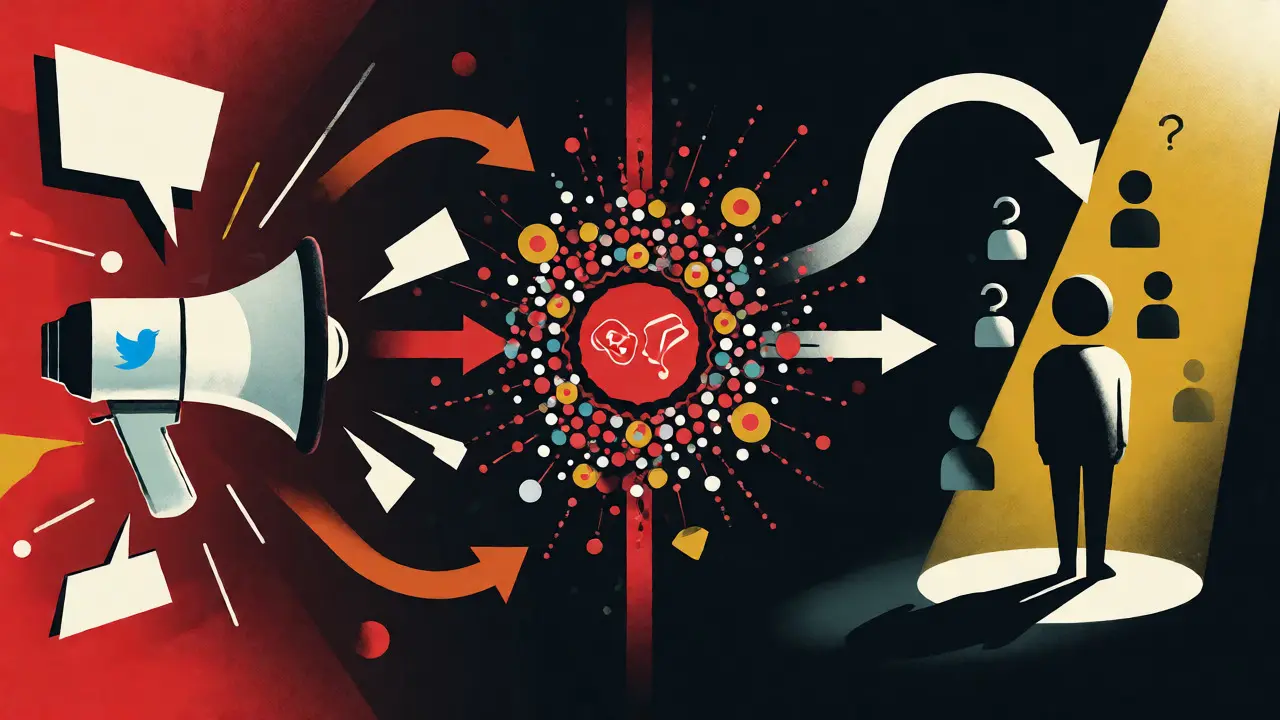
Twitter is your megaphone. It’s where narratives start. You need sharp handles and aggressive hashtag usage-think #PEPEARMY or similar branded tags-to unify your followers. But Twitter is noisy. That’s where Telegram comes in. It’s your war room. Here, you coordinate raids, share quick updates, and keep the energy high during volatility. Discord is your clubhouse. It’s slower, deeper, and better for retention. Use it for structured discussions, voting, and recognizing top contributors with custom roles.
The Influencer Trap: Quality Over Fame
Most new founders make the same mistake: they blow their budget on one mega-influencer with two million followers. Big mistake. Those audiences are often bots, or worse, mercenary traders who dump as soon as the tweet drops.
Instead, look for mid-tier influencers-those with 10,000 to 100,000 followers. Data suggests these creators generate higher authentic engagement rates because their audience trusts them personally. They aren’t selling ads; they’re sharing discoveries. A genuine endorsement from a niche crypto analyst or a popular meme creator feels like a recommendation from a friend. It builds credibility faster than a paid shoutout from a celebrity who doesn’t even know what a blockchain is.
Engineering Fun: Gamification and Rewards
People get bored. If your community only talks when the price goes up, you’ll lose them when it goes down. You need mechanisms that reward participation regardless of market conditions. Enter gamification.
Implement systems that turn activity into status. Leaderboards showing who posted the most memes, badges for early adopters, or missions like "Post a meme using our logo today for a chance to win tokens." These aren’t just gimmicks; they are psychological hooks. They trigger the dopamine loop. When a user creates a meme, gets likes, and sees their name on a leaderboard, they feel valued. That emotional investment makes them less likely to sell during a dip.
Consider integrating play-to-earn elements or simple referral programs. Reward existing users for bringing in new ones. But keep it transparent. Complex tokenomics confuse people. Keep the rewards visible and attainable.
Content That Breathes: Meme Culture Dynamics
Your content strategy shouldn’t look like corporate marketing. No one wants to read a whitepaper update on Instagram. They want to laugh. They want to share something relatable.
Leverage AI tools like Midjourney or Runway to scale your meme production. You can’t hand-craft every image, so use tech to speed up the pipeline. But don’t let AI kill the soul. Human curation is essential. Pick the memes that fit the current internet mood. Are we in a bear market? Lean into self-deprecating humor. Bull market? Go big and bold.
Run weekly meme contests. Offer small prizes-not just in tokens, but in recognition. Feature the winners on your official channels. This encourages user-generated content (UGC), which is free marketing. Every time a user posts your meme, they’re advertising to their network. Multiply that by thousands of active members, and you have a media machine that costs almost nothing.
Trust Through Transparency: The AMA Factor
Crypto is full of scams. Anonymity breeds suspicion. To combat this, you need radical transparency, especially in the early stages.
Host regular Ask Me Anything (AMA) sessions on Discord or Twitter Spaces. Don’t script these. Let people ask hard questions. Why did the dev wallet move? What’s the plan for liquidity? When founders show up, speak honestly, and admit mistakes, trust builds. Users forgive delays if they feel informed. Silence, however, looks like guilt.
Also, consider community governance. Even if it’s symbolic, letting holders vote on minor decisions-like the next meme theme or charity donation-makes them feel like owners. Tools like Snapshot allow for gasless voting, making this easy to implement without technical friction.
Sustaining Momentum Beyond the Hype
The biggest killer of memecoin communities is inconsistency. You launch with a bang, then go quiet for three weeks while you fix bugs or wait for listings. During that silence, the hype dies.
Adopt a "minimum viable communication" strategy. Even if there’s no major news, post daily. Share a meme, reply to comments, highlight a community member. Show that the lights are on. Projects that provide quick, minor updates retain users far better than those with irregular, massive announcements.
Finally, remember that longevity requires evolution. A meme has a shelf life. To extend it, you might need to introduce utility-a merch store, a game, or a partnership with another project. But never force utility too early. Get the community culture right first. Once the tribe is solid, they will follow you anywhere, even into uncharted territory.
How many community managers do I need for a successful memecoin?
It depends on your size, but for a launch phase, you need at least two dedicated moderators per major platform (Telegram/Discord). As you grow, aim for a ratio of one moderator per 500-1,000 active users to maintain response times and prevent spam. Volunteer moderators from the community can help, but always have paid staff for consistency.
Are paid influencers worth it for memecoins?
Generally, no, unless they are highly niche and trusted. Mega-influencers often bring low-quality, mercenary traffic that dumps quickly. Focus on micro-influencers (10k-100k followers) who genuinely engage with their audience. Authentic recommendations convert better than broad reach.
What is the best way to handle FUD (Fear, Uncertainty, Doubt) in the community?
Address it head-on. Do not delete critical comments unless they are spam or abusive. Host a live AMA to answer specific concerns. Transparency kills FUD. If you ignore rumors, they fester. Provide data, screenshots, and direct answers to prove your claims.
How does gamification improve token retention?
Gamification shifts focus from price action to participation. By rewarding actions like posting memes, referring friends, or attending events, you give users non-financial reasons to stay engaged. This emotional investment reduces panic selling during dips because users feel connected to the project's success beyond just their portfolio value.
Can AI replace human community managers?
Not entirely. AI tools like Midjourney help create content, and bots can manage basic moderation tasks. However, empathy, conflict resolution, and nuanced cultural understanding require humans. Crypto communities are emotionally charged; robotic responses often exacerbate tensions. Use AI for efficiency, but keep humans for connection.