Myanmar Crypto Scam Networks: Inside the $10 Billion Fraud Operations and U.S. Sanctions
 Jun, 16 2026
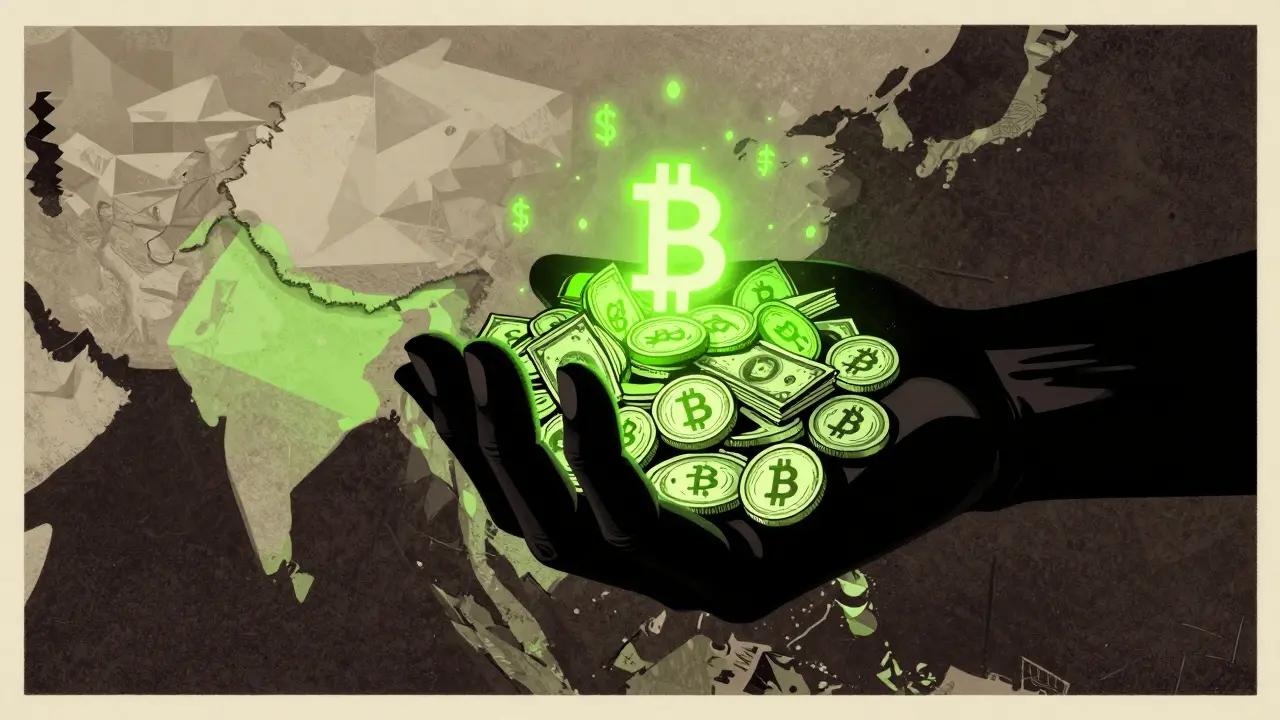
In 2024, Americans lost nearly $10 billion to cryptocurrency fraud. That is not a typo. It is a staggering sum that represents a 66% increase from the previous year. But where does this money go? And who is behind it? The answer leads us far away from Silicon Valley or Wall Street. It leads to the border region of Myanmar, specifically an area called Shwe Kokko. Here, sophisticated criminal networks operate under the protection of armed groups, running massive scam centers that target victims across the globe. These are not just isolated incidents; they are industrial-scale operations fueled by forced labor and advanced social engineering.
The scale of these operations prompted unprecedented action from the United States government. On September 9, 2025, the Treasury Department’s Office of Foreign Assets Control (OFAC) implemented comprehensive sanctions against 19 individuals and organizations. This move was not just about recovering funds; it was an attempt to dismantle a hybrid criminal-military enterprise that has become one of the most significant threats to global financial security. Understanding how these networks work, why they thrive in Myanmar, and what the new sanctions mean for victims and investors is crucial for anyone navigating the digital economy today.
The Anatomy of a Modern Scam Center
To understand the magnitude of the threat, you have to look at the structure of these operations. They are not run by lone hackers in basements. They are corporate-style enterprises with clear hierarchies, marketing departments, and customer service teams-except their product is deception. The primary hub for these activities is Shwe Kokko, located near the Thai border in Burma. This area is controlled by the Karen National Army (KNA), a designated transnational criminal organization that provides protection and infrastructure to these scam syndicates.
The business model relies on two main pillars: technological sophistication and human exploitation. On the technical side, these networks use advanced social engineering techniques. They do not send generic spam emails. Instead, they employ romance scams and friendship-building tactics to establish deep trust with American victims. Once a connection is made, often through messaging apps or text messages, the scammer gradually introduces the idea of cryptocurrency investments. They promise high returns with low risk, guiding victims to fraudulent platforms where the money disappears instantly.
On the human side, the operation is brutal. The workers inside these compounds are rarely willing participants. They are recruited through false job advertisements promising legitimate employment in customer service, marketing, or technology roles. Once transported to the remote border areas, they find themselves trapped. Debt bondage, physical violence, and threats of forced prostitution are used to coerce compliance. As Under Secretary of the Treasury for Terrorism and Financial Intelligence John K. Hurley stated, "Southeast Asia's cyber scam industry not only threatens the well-being and financial security of Americans, but also subjects thousands of people to modern slavery."
Key Entities Behind the Fraud
The September 2025 sanctions targeted specific entities to disrupt this ecosystem. By naming names, the U.S. government aimed to cut off access to the international financial system and signal that these operations would no longer be tolerated. Here are some of the primary targets identified in the sanctions:
- Tin Win: An individual sanctioned for his role in operating scam centers in Shwe Kokko.
- Saw Min Min Oo: Another key figure linked to the management of these fraudulent operations.
- Chit Linn Myaing Co.: A company involved in the logistical and operational support of the scam networks.
- Yatai International Holdings Group: A major entity whose assets were frozen due to its involvement in facilitating these crimes.
- Karen National Army (KNA): While not a single person, this armed group is central to the operation, providing the security umbrella that allows these businesses to function without interference from local authorities.
These entities represent the tip of the iceberg. The network extends beyond Myanmar into Cambodia and other parts of Southeast Asia, creating a cross-border web of crime that is difficult to untangle. The sanctions also targeted ten additional entities in Cambodia, highlighting the regional nature of this threat.
Why Myanmar? The Perfect Storm for Cybercrime
You might wonder why these operations are concentrated in Myanmar. The answer lies in a combination of political instability, weak regulation, and geographic advantage. Following the military coup in 2021, Myanmar descended into chaos. Central authority weakened, allowing ethnic armed groups like the KNA to exert control over border regions. In Shwe Kokko, these groups effectively act as local governments, collecting taxes and providing services-including protection for criminal enterprises.
This environment creates a unique hybrid model. Unlike cybercrime operations in North Korea or Russia, which are state-sponsored or heavily regulated by the government, Myanmar’s scam networks operate with quasi-governmental protection from non-state actors. This makes them harder to target diplomatically. You cannot simply call the President of Myanmar to shut down a compound controlled by an armed rebel group.
Geographically, the location is strategic. Shwe Kokko is close to Thailand, a major financial hub in Southeast Asia. This proximity allows scammers to access banking systems, cryptocurrency exchanges, and travel routes more easily. It also makes it easier to recruit workers from neighboring countries, who are often lured by promises of better wages abroad.
| Feature | Myanmar (Shwe Kokko) | Cambodia | North Korea |
|---|---|---|---|
| Primary Protector | Ethnic Armed Groups (e.g., KNA) | Corrupt Local Officials | State Government |
| Operational Model | Hybrid Criminal-Military Enterprise | Private Compounds with Police Turnover | State-Sponsored Units |
| Labor Source | Forced Labor via Trafficking | Debt Bondage & Trafficking | State Employees |
| Sanction Status (2025) | Targeted by OFAC (19 entities) | Targeted by OFAC (10 entities) | Heavily Sanctioned for Years |

The Legal Hammer: Executive Orders and Sanctions
The U.S. response to this crisis was multi-faceted, utilizing several executive orders to justify the sanctions. This approach reflects the complex nature of the crimes, which span financial fraud, human trafficking, organized crime, and threats to international stability.
Here is how the legal framework breaks down:
- E.O. 13851: Targets transnational criminal organizations. This allows the Treasury to sanction entities involved in serious crimes like human trafficking and fraud.
- E.O. 13694: Focuses on malicious cyber activities. Since these scams rely on digital infrastructure and online deception, this order provides a basis for action.
- E.O. 13818: Addresses human rights abusers. Given the widespread use of forced labor and violence within these compounds, this order is particularly relevant.
- E.O. 14014: Specifically targets threats to Burma’s stability. This recognizes that these criminal networks undermine the rule of law and contribute to the country’s ongoing conflict.
By using all four orders simultaneously, the U.S. government signaled that it views these operations as a national security threat, not just a financial crime issue. Secretary of State Marco Rubio emphasized this point, noting that "Criminal actors across Southeast Asia have increasingly exploited the vulnerabilities of Americans online."
Impact on Victims and the Banking Industry
For the average American, the news of $10 billion in losses can feel abstract. But for those who have fallen victim to these scams, the impact is devastating. Romance scams are particularly insidious because they exploit emotional vulnerability. Victims often invest their life savings, retirement funds, or take out loans based on the promises of someone they believe to be a friend or lover. When the money disappears, so does the relationship, leaving victims financially ruined and emotionally traumatized.
The banking industry has also felt the strain. Community banks, in particular, are on the front lines of detecting suspicious transactions. The Independent Community Bankers of America (ICBA) has strongly supported expanded enforcement actions. They argue that more needs to be done to curtail the rapid growth of crypto scams. The ICBA specifically endorsed the Financial Crimes Enforcement Network's (FinCEN) proposed rule to designate Cambodia-based operations as primary money laundering concerns. They emphasize the urgent need for policymakers to prioritize national security and improve information sharing with community banks.
However, recovery remains difficult. Cryptocurrency transactions are largely irreversible. Once funds are moved to wallets controlled by these networks, tracing them is challenging, and seizing them is even harder. The sanctions aim to freeze assets and prevent further movement, but they do not automatically return money to victims.
What Can You Do? Protecting Yourself from Crypto Scams
Given the sophistication of these operations, awareness is your best defense. Here are practical steps to protect yourself:
- Verify Relationships Online: If you meet someone online and they quickly suggest investing together, be skeptical. Scammers often move relationships forward rapidly to build trust before asking for money.
- Research Investment Platforms: Legitimate cryptocurrency exchanges are registered with financial authorities. Check if the platform is licensed in your jurisdiction. If it sounds too good to be true, it probably is.
- Beware of Pressure Tactics: Scammers often create a sense of urgency, claiming that an investment opportunity will expire soon. Take your time to verify claims.
- Secure Your Devices: Use strong passwords, enable two-factor authentication, and keep your software updated. Malware can be used to steal private keys or monitor your communications.
- Report Suspicious Activity: If you suspect you are being targeted, report it to the FBI’s Internet Crime Complaint Center (IC3) and your local law enforcement. Early reporting can help investigators track patterns and potentially stop others from falling victim.
The Future of Enforcement
The September 2025 sanctions are a significant step, but they are not a silver bullet. Implementation challenges remain. Many operations are located in remote areas, protected by armed groups, and hidden within Myanmar’s political instability. The borderless nature of cryptocurrency transactions means that criminals can quickly adapt, moving funds across jurisdictions and changing their operational models.
Future developments will likely focus on enhanced international cooperation. Thailand and other neighboring nations play a crucial role, as they provide infrastructure and personnel pipelines for these operations. The Treasury Department has indicated that additional sanctions actions are likely as investigations continue. Long-term effectiveness will depend on addressing the underlying governance failures in Myanmar, improving international cryptocurrency regulation, and sustaining pressure on the financial infrastructure that supports these networks.
As the digital economy grows, so does the incentive for criminals to exploit it. The Myanmar crypto scam networks represent a dark side of innovation, where technology is used to enslave workers and defraud millions. Combating this threat requires a coordinated global effort, combining law enforcement, diplomacy, and public awareness. Until then, vigilance is essential for anyone participating in the world of cryptocurrency.
Who are the main perpetrators of the Myanmar crypto scams?
The main perpetrators are criminal networks operating in the Shwe Kokko region of Myanmar, protected by the Karen National Army (KNA). Key individuals sanctioned in 2025 include Tin Win, Saw Min Min Oo, and She Zhijang. Companies like Chit Linn Myaing Co. and Yatai International Holdings Group are also central to these operations.
How much did Americans lose to crypto scams in 2024?
Americans lost nearly $10 billion to cryptocurrency fraud in 2024, representing a 66% increase from the previous year. A significant portion of these losses is attributed to operations based in Southeast Asia, particularly Myanmar.
What are the OFAC sanctions targeting?
The Office of Foreign Assets Control (OFAC) sanctioned 19 individuals and organizations in Myanmar and Cambodia on September 9, 2025. These targets are involved in virtual currency investment scams, human trafficking, and forced labor. The sanctions freeze their assets and prohibit U.S. persons from dealing with them.
Are the workers in these scam centers volunteers?
No. Most workers are victims of human trafficking. They are recruited through false job offers and then trapped using debt bondage, violence, and threats of forced prostitution. This forced labor component is a key reason why the U.S. government has treated these operations as a human rights issue.
Can I get my money back if I am scammed?
Recovery is extremely difficult because cryptocurrency transactions are largely irreversible. While sanctions may freeze some assets, there is no guarantee that funds will be returned to victims. Reporting the crime to the FBI IC3 is recommended to help investigations, but you should assume the money is lost.
Why are these scams based in Myanmar?
Myanmar offers a perfect storm for cybercrime: political instability following the 2021 coup, weak regulatory enforcement, and protection from ethnic armed groups like the KNA in border regions like Shwe Kokko. Its proximity to Thailand also provides easy access to financial hubs and travel routes.
What is the role of the Karen National Army (KNA)?
The KNA is an ethnic armed group that controls the Shwe Kokko region. They provide security and infrastructure for the scam centers, effectively acting as a shadow government. In exchange, they collect taxes and fees from the criminal operators, making them complicit in the fraud and human rights abuses.