Nazadax Crypto Exchange Review: Is It Safe or a Scam?
 Sep, 10 2026
Imagine handing your hard-earned money to a stranger who promises you the moon but refuses to show you their ID. That’s essentially what Nazadax looks like in the current cryptocurrency market. If you’ve stumbled upon this platform and are wondering if it’s the next big thing or just another trap for retail investors, you’re asking the right questions. The short answer? There are massive red flags here that should make any cautious trader hit the brakes.
We live in an era where Coinbase, Binance, and Kraken dominate the landscape with billions in daily volume and strict regulatory oversight. Compared to these giants, Nazadax feels like a ghost town. There is almost no verifiable public data about its founding team, headquarters, or operational history. In the crypto world, silence isn’t golden; it’s suspicious. This review breaks down why most experts and users are leaning heavily toward labeling this platform as high-risk, if not outright fraudulent.
The Transparency Problem: Where Is Nazadax?
Legitimate exchanges wear their credentials on their sleeves. They list their CEO, their office locations, and their license numbers. Nazadax does none of this effectively. When you search for corporate records, you find very little. Who runs it? Where is the server located? Which country regulates them? These basic questions remain unanswered.
Compare this to Gemini. Gemini holds a BitLicense from the New York Department of Financial Services (NYDFS). That license means they undergo rigorous audits and must prove they hold customer funds in reserve. Nazadax shows no evidence of such compliance. Without a clear regulatory framework, your money has no legal safety net. If the company disappears tomorrow, you have nowhere to file a complaint that actually carries weight.
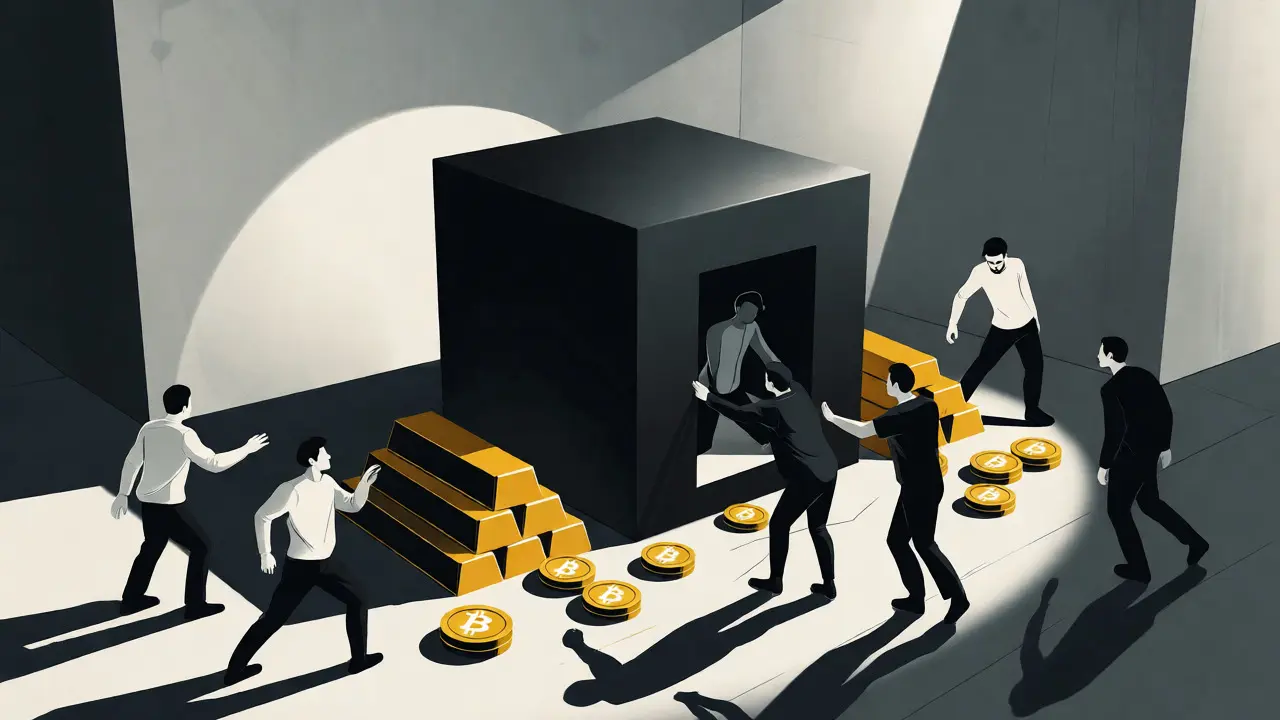
The lack of documentation extends to their technical infrastructure too. Established platforms publish proof-of-reserves reports. They explain how they store assets-usually keeping 95% or more in cold storage (offline wallets) to protect against hacks. Nazadax offers no such transparency. You are essentially trusting a black box with your capital.
User Feedback: A Pattern of Concern
If you dig into community forums and review sites like Revain.org, the sentiment around Nazadax is overwhelmingly negative. Users don’t just complain about slow support or buggy interfaces; they report lost funds. Phrases like "faked people" and "went away with their money" appear repeatedly. These aren’t minor grievances about UI design. These are accusations of fraud.
One common tactic used by questionable platforms is fake liquidity. They might display impressive trading volumes on their charts, making the market look active and healthy. But when you try to execute large trades or withdraw significant amounts, things get weird. Withdrawal delays, unexplained fees, or sudden account freezes are classic signs that the platform doesn’t actually hold the underlying assets it claims to trade.
| Feature | Nazadax | Established Platforms (e.g., Coinbase) |
|---|---|---|
| Regulatory Status | Unknown / No public licenses | BitLicense, FCA, MAS, etc. |
| Transparency | Low / No proof of reserves | High / Regular audits |
| User Reviews | Predominantly negative (scam alerts) | Mixed but generally stable |
| Support Response | Reported as poor or non-existent | 24/7 availability |
Security Risks: The Cold Storage Question
Security in crypto isn’t just about passwords. It’s about custody. Major exchanges use multi-signature wallets, meaning multiple keys are required to move funds. This prevents a single rogue employee or hacker from draining the vault. Does Nazadax use this method? We don’t know. The absence of security whitepapers or third-party audit certificates is a glaring omission.
Think about the hack of Mt. Gox in 2014. That was before modern standards existed. Today, there is no excuse for a major exchange not publishing its security protocols. If a platform can’t tell you how it protects your Bitcoin, it likely doesn’t have a robust system. And if it doesn’t have a robust system, it’s vulnerable to both external attacks and internal mismanagement.
There’s also the risk of "rug pulls." In DeFi and smaller exchanges, developers sometimes create hype, attract deposits, and then drain the liquidity pool. While Nazadax markets itself as a centralized exchange, the mechanics of a rug pull apply here too. If the operators decide to cash out, do you have recourse? Probably not.

Confusion with Similar Names
Be careful not to confuse Nazadax with other similarly named entities. For instance, "Nasadex.com" has been flagged in various scam databases. Scammers often use names that sound professional or mimic existing brands to trick users. This naming similarity adds another layer of risk. Are you dealing with the same bad actors under a slightly different spelling? It’s hard to rule out without deep forensic accounting, which Nazadax doesn’t provide.
This confusion makes it harder for new traders to distinguish between legitimate opportunities and traps. Always check the exact URL. Always verify the social media handles. Do they link back to a verified LinkedIn page with real employees? Or is the website a standalone landing page with stock photos?
Why Alternatives Make More Sense
You might be thinking, "But the fees look low!" or "They offer coins I can’t find elsewhere!" Sure, those are attractive hooks. But ask yourself: What good is a low fee if you can’t withdraw your principal? What value is an obscure altcoin if the exchange holding it goes bust?
For beginners, sticking to Kraken or Coinbase is safer. Yes, their fees might be slightly higher, but you’re paying for insurance, regulation, and peace of mind. For advanced traders, Binance or Bybit offer deeper liquidity and better tools. Nazadax sits in a dangerous middle ground: too risky for beginners, too opaque for pros.
Checklist Before Depositing Funds
If you are still considering Nazadax despite the warnings, run through this checklist:
- Withdrawal Test: Deposit a small amount ($50-$100). Try to withdraw it immediately. Did it work? How long did it take? Were there hidden fees?
- Support Check: Contact customer service. Do they reply instantly with a human, or do they give canned responses? Can you speak to a real person?
- License Verification: Ask for their specific license number and issuing body. Then, go to that regulator’s website and search for the name. If it’s not there, walk away.
- Social Proof: Look at recent tweets or Reddit posts. Ignore influencers paid to promote it. Look for organic complaints about withdrawals.
Remember, in crypto, "too good to be true" usually means exactly that. High returns promised by unknown platforms often come with hidden risks that only reveal themselves when you try to leave.
Frequently Asked Questions
Is Nazadax a regulated exchange?
Currently, there is no public evidence that Nazadax holds major regulatory licenses like the NYDFS BitLicense or FCA registration. Most established competitors operate under strict regulatory frameworks, whereas Nazadax appears to operate without clear oversight, increasing risk for users.
Can I trust user reviews on Nazadax?
You should approach them with skepticism. Many shady platforms incentivize positive reviews or block negative ones. Independent sources like Trustpilot or Revain often show a stark contrast between the platform's self-reported success and actual user experiences, which frequently cite withdrawal issues.
What happens if Nazadax shuts down?
If an unregulated exchange shuts down, recovering funds is extremely difficult. Unlike banks insured by FDIC or regulated exchanges that segregate client assets, you may become an unsecured creditor. In many cases, users lose 100% of their deposited capital.
Are there better alternatives to Nazadax?
Yes. Depending on your location, Coinbase, Kraken, Binance, and Gemini are well-established alternatives. They offer similar trading capabilities but with proven track records, transparent fee structures, and regulatory compliance.
Does Nazadax support fiat currency deposits?
Information is scarce, but many unregulated exchanges rely heavily on crypto-to-crypto pairs rather than direct fiat banking rails. This can complicate deposits and withdrawals, often requiring intermediate steps that add friction and potential points of failure.
Final Verdict: Proceed with Extreme Caution
Nazadax fails the basic smell test for credibility. The combination of missing regulatory info, negative user feedback regarding withdrawals, and a lack of transparent security measures creates a perfect storm of risk. Unless you are willing to treat your deposit as money you can afford to lose completely, stick to platforms with a name you recognize and a license you can verify.