Remittances and Crypto Use in Bangladesh: Why the Ban Holds Despite Record Inflows
 Jul, 18 2026
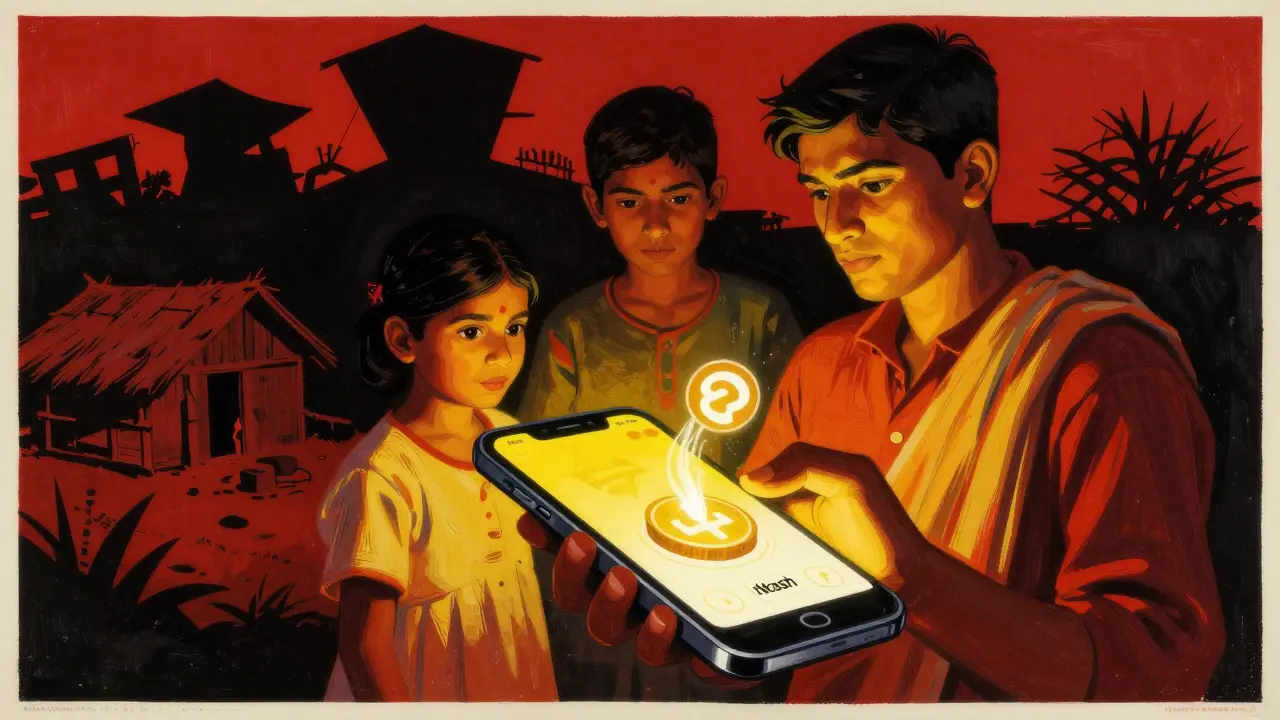
Imagine sending money home from Dubai or London, only to watch half of it vanish in fees, delays, and hidden exchange rate traps. For millions of Bangladeshi families, this isn't a hypothetical nightmare-it's the daily reality of sending money across borders. Yet, while the rest of the world races toward cryptocurrency as a faster, cheaper alternative, Bangladesh is a South Asian nation that explicitly prohibits cryptocurrency usage for remittances under strict central bank regulations. The country has chosen a different path: doubling down on traditional banking and mobile financial services while slamming the door shut on digital currencies.
In fiscal year 2024-25, remittance inflows hit a staggering $30 billion-a 27% year-on-year surge that shattered previous records. This growth didn't happen by accident. It was driven by aggressive policy shifts, the dismantling of informal networks like hundi is an informal cross-border transaction system used to bypass official banking channels and currency controls, and a massive push into mobile money. But with record-breaking formal flows comes a pressing question: why does Bangladesh still ban crypto when its neighbors are experimenting with it? And more importantly, how does this restriction affect the everyday migrant worker trying to support their family?
The Remittance Boom: How Bangladesh Hit $30 Billion
To understand the current landscape, you have to look at the numbers. Bangladesh’s foreign exchange reserves, which were dangerously low just a few years ago, have stabilized thanks to a massive influx of cash from abroad. By March 2025, monthly inflows reached $3.29 billion-the highest ever recorded. That’s not a typo. This single month saw a 64.7% increase compared to the same period the previous year.
What changed? Three main factors drove this explosion:
- Market-driven exchange rates: The Bangladesh Bank is the central bank of Bangladesh responsible for monetary policy, currency issuance, and financial regulation allowed banks to set competitive exchange rates, making it more attractive for migrants to send money through official channels rather than black markets.
- Crackdown on Hundi: Authorities aggressively targeted the informal hundi network. A political transition helped dismantle these shadow systems, forcing funds back into the formal economy.
- Digital Accessibility: The expansion of agent banking and mobile financial services meant people in rural villages could receive money instantly without traveling to a city branch.
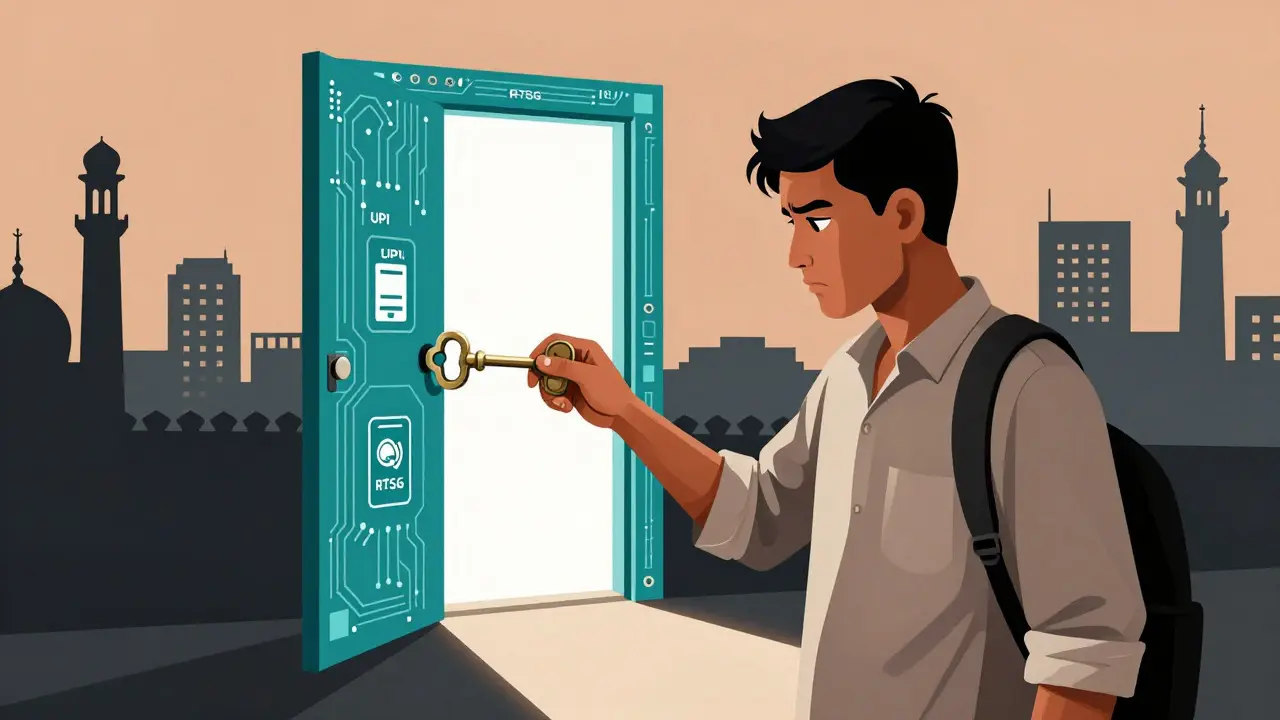
- UPI Integration: Expected by Q2 2026, Bangladesh plans to integrate with India’s Unified Payments Interface (UPI). This will streamline remittances from India’s 1.2 million Bangladeshi workers, reducing friction and cost.
- RTGS Expansion: Launched in September 2025, this system reduced processing times from 24-72 hours to under 4 hours for 85% of transactions.
- Digital Target: The Bangladesh Bank aims for 95% digital remittance processing by FY2026-27.
- Use Official Channels: Stick to licensed banks and MFS providers like bKash, Nagad, or the new Remittance Direct app. Avoid hundi unless absolutely necessary, as crackdowns are intensifying.
- Compare Exchange Rates: Fees aren’t the only cost. Check the exchange rate offered by different banks. A small difference in the Taka-to-Dollar rate can mean hundreds of dollars saved on large transfers.
- Leverage Mobile Apps: Encourage recipients to register for bKash or Nagad. Cash withdrawals at agents are convenient, but keeping funds digital allows for direct bill payments and savings.
- Avoid Crypto Risks: Despite the allure of low fees, sending USDT or Bitcoin carries significant legal risk in Bangladesh. Recipients may struggle to convert it to Taka legally, and banks may flag associated accounts.
- Document Everything: Keep records of all transactions. With strict FATF compliance rules, banks may ask for proof of income or relationship to the recipient.
The result? A $3.3 billion surplus in the Balance of Payments at the end of FY2025, reversing a $4.3 billion deficit from the prior year. Gross foreign currency reserves climbed to $25.63 billion. For a developing economy, this is a lifeline. It stabilizes the Taka, ensures imports can be paid for, and builds confidence among international lenders like the IMF.
The Crypto Ban: Strict, Unyielding, and Enforced
If you’re thinking, "Why not let people use Bitcoin or USDT to save on fees?", the answer lies in sovereignty and control. Since 2017, Bangladesh has maintained a strict ban on private cryptocurrencies under Section 33 of the Foreign Exchange Regulation Act 1947. This isn’t a soft suggestion; it’s a hard legal barrier.
In September 2025, the Bangladesh Bank issued Warning Notice No. BB/CC/2025/17, explicitly prohibiting any entity from facilitating cryptocurrency transactions for remittance purposes. The penalty? License revocation and criminal prosecution. Deputy Governor Ahmed Munas stated clearly during a press conference that cryptocurrencies pose "unacceptable risks to monetary sovereignty and financial stability."
Compare this to neighbors like India and Pakistan, which have explored regulated frameworks for digital assets. Bangladesh’s stance is isolationist by design. The central bank argues that until they can fully monitor and tax every cent entering the country, they won’t allow untraceable digital currencies to operate. They are watching developments in Central Bank Digital Currencies (CBDCs) closely, but private coins like Bitcoin remain off-limits.
| Channel Type | Average Fee | Processing Time | Regulatory Status |
|---|---|---|---|
| Mobile Financial Services (bKash/Nagad) | 3.8% - 5.2% | Under 4 hours (RTGS) | Fully Licensed |
| Traditional Banks (Sonali, BRAC) | 5% - 7% | 1-3 days | Fully Licensed |
| Hundi (Informal) | Variable (often higher risk) | Immediate | Illegal / Cracked Down |
| Cryptocurrency (USDT/BTC) | Low (< 1%) | Minutes | Banned |

How Money Actually Moves: The Role of bKash and Nagad
With crypto banned and hundi suppressed, where does the money go? Into your phone. Mobile financial services (MFS) have become the backbone of Bangladesh’s remittance ecosystem. Platforms like bKash is the largest mobile financial service provider in Bangladesh, enabling digital payments, savings, and remittances via mobile phones and Nagad handle the vast majority of incoming transfers.
Here’s how it works in practice: A worker in Saudi Arabia sends money through a partner bank. That bank connects to Bangladesh’s Real-Time Gross Settlement (RTGS) system. Within hours-sometimes minutes-the recipient in Dhaka or a rural village receives a notification on their bKash app. They can then withdraw cash at an agent nearby or pay bills directly.
The efficiency gains are real. In Q3 2025, BRAC Bank reported a 40% reduction in processing time for Middle Eastern remittances through their digital platform. User 'DhakaDave1987' noted on Reddit that his brother’s remittance arrived in just 12 hours using bKash. However, costs remain a pain point. While the official average fee is around 6.5%, users often complain about inconsistent exchange rates between banks. One user reported paying 7% in fees for UK remittances despite lower advertised rates. Another lost $300 in fees and waited 10 days for a $500 transfer from Malaysia.
To address this, the Bangladesh Bank launched the 'Remittance Direct' app in August 2025. It processes $1.2 billion in remittances with average fees of 3.8%, significantly below the market average. This government-backed tool aims to cut out middlemen and ensure transparency.
The Human Cost: Frustration in the Diaspora
Behind the billions in data are millions of frustrated individuals. A sentiment analysis of the Facebook group 'Bangladeshi Expats Worldwide' (587,000 members) revealed that 63% of members expressed frustration with traditional remittance channels. Only 12% admitted to attempting crypto-based transfers, mostly due to fear of legal repercussions.
Why do people stick to the system if it’s expensive and slow? Because it’s safe. Using crypto means risking frozen accounts, legal trouble, or losing funds to scams. For a garment worker in Sylhet receiving support from her son in Qatar, the certainty of getting *some* money is better than the risk of getting *no* money.
However, the barrier to entry remains high for some. A UNDP study found that 18% of rural recipients struggle with documentation requirements, such as National ID cards and bank account linking. If you don’t have a smartphone or a reliable internet connection, you’re left behind. The learning curve for basic MFS usage is low-just 1-2 hours of instruction-but complex international transfers still require orientation.
Future Outlook: Integration, Not Innovation
So, what’s next? Don’t expect a sudden legalization of Bitcoin. The trajectory points toward deeper integration with existing global systems, not decentralized alternatives. Key developments include:
Analysts project remittances could reach $40 billion by FY2028, driven by diaspora growth. However, independent experts like Dr. Birupaksha Paul warn that without addressing structural issues like high transaction costs and limited financial inclusion, growth may plateau at $33-35 billion.
The message from the top is clear. Governor Dr. Ahsan H. Mansur stated unequivocally in October 2025 that "cryptocurrency has no place in Bangladesh's remittance ecosystem for the foreseeable future." The focus remains on strengthening the regulatory framework, improving speed, and lowering fees within the traditional banking structure.
Practical Tips for Sending Money to Bangladesh
If you are part of the diaspora, here’s how to navigate the current system effectively:
Is cryptocurrency legal for remittances in Bangladesh?
No. Cryptocurrency is strictly prohibited for remittance purposes in Bangladesh under Section 33 of the Foreign Exchange Regulation Act 1947. The Bangladesh Bank issued Warning Notice No. BB/CC/2025/17 in September 2025, reinforcing the ban with penalties including license revocation and criminal prosecution for entities facilitating such transactions.
What is the fastest way to send money to Bangladesh?
The fastest method is using mobile financial services like bKash or Nagad linked to the Real-Time Gross Settlement (RTGS) system. As of late 2025, 85% of transactions through this system are processed in under 4 hours. Some users report receiving funds in as little as 12 hours.
Why did Bangladesh ban crypto remittances?
The Bangladesh Bank cites risks to monetary sovereignty and financial stability. They argue that unregulated cryptocurrencies make it difficult to track capital flows, enforce taxes, and prevent money laundering. The central bank prefers to maintain full oversight through licensed banking and mobile money channels.
How much do remittance fees cost in Bangladesh?
Average transaction costs are around 6.5%, well above the World Bank’s Sustainable Development Goal target of 3%. However, the new 'Remittance Direct' app offers fees averaging 3.8%. Traditional banks may charge 5-7%, depending on the corridor and exchange rate margins.
Will Bangladesh legalize crypto in the future?
Unlikely in the near term. Governor Dr. Ahsan H. Mansur stated in October 2025 that cryptocurrency has "no place" in the ecosystem for the foreseeable future. The focus is on integrating with systems like India’s UPI and expanding digital banking, not adopting private digital currencies.