State Control of Crypto Mining in Venezuela: Regulations, Risks, and Reality
 May, 13 2026
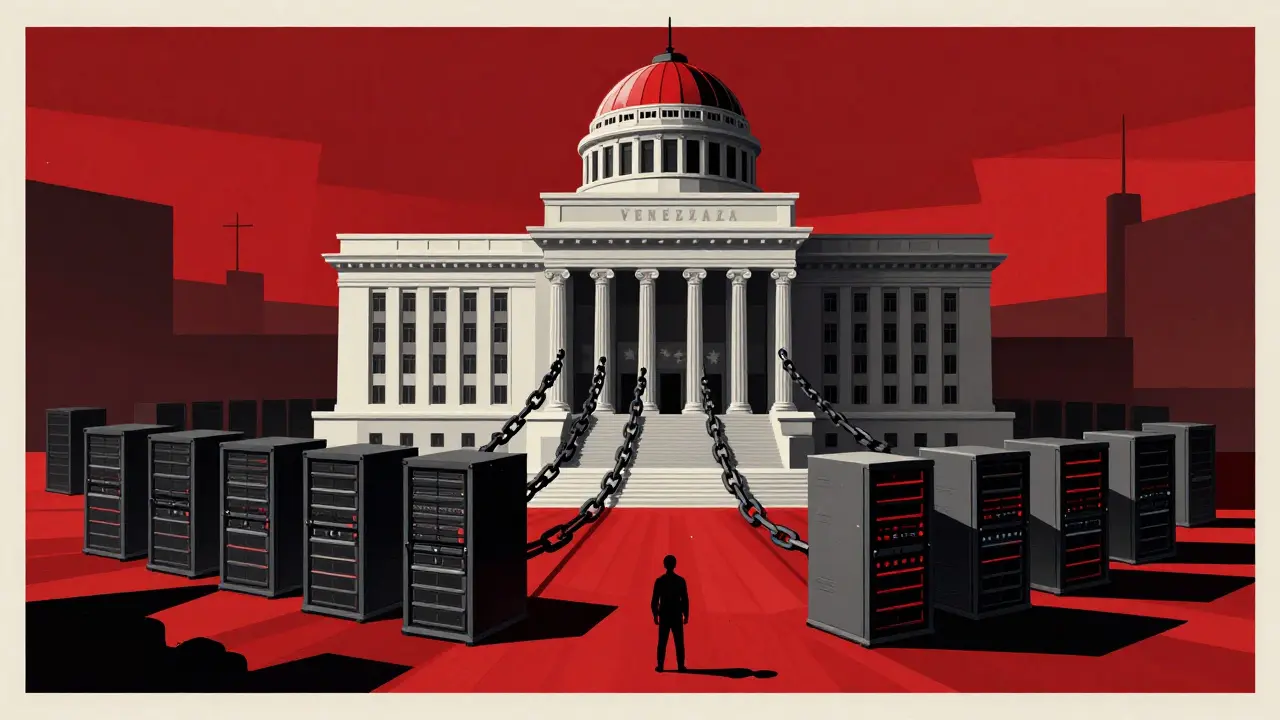
Imagine a country where the government owns the electricity grid, mandates how you mine Bitcoin, and demands a cut of your rewards. That is the reality for cryptocurrency miners in Venezuela. While the promise of cheap power has attracted global attention, the operational landscape is defined by strict state control, bureaucratic hurdles, and sudden policy shifts. For anyone looking to understand or operate within this market, the stakes are high.
Key Takeaways
- Centralized Oversight: All mining must go through the National Mining Pool (NMP) under supervision by SUNACRIP.
- Licensing Hurdles: Obtaining a license takes 90-120 days and requires proof of significant electrical capacity.
- Energy Paradox: Subsidized rates ($0.03/kWh) are offset by frequent blackouts and infrastructure decay.
- Political Risk: Regulatory enforcement is inconsistent, with facilities closing abruptly due to corruption probes or political decisions.
- Banking Integration: The government plans to allow banks to offer crypto services by late 2025, shifting the focus from pure mining to broader adoption.
The Regulatory Framework: Who Controls the Hash?
To navigate the Venezuelan crypto scene, you first need to understand who holds the keys. The primary regulatory body is the National Superintendence of Cryptocurrencies (SUNACRIP), established in 2019 via Presidential Decree No. 4,170. This agency replaced its predecessor, SUPCACVEN, and was tasked with overseeing all digital asset activities. However, SUNACRIP’s role isn’t just administrative; it is deeply intertwined with the state’s economic strategy.
The foundational legal document here is the Cryptoassets Constituent Decree. This decree empowers the National Executive to regulate the creation, issuance, and operation of cryptoassets. It effectively gives the government the authority to authorize virtual exchanges and dictate how crypto flows through the economy. But the most critical mechanism for miners is the mandate to join the National Mining Pool (NMP).
You cannot mine independently in Venezuela if you want to be compliant. The NMP distributes mining rewards and penalizes operators outside the system. This centralization allows the state to monitor hash rates and ensure that the benefits of mining-primarily foreign currency earnings-are captured by the national treasury. As of 2025, over 500 licensed mining centers operate under this framework, contributing an estimated 4% to the national GDP. Yet, this statistic masks a deeper complexity: the system is legally mandated but operationally fragile.
Licensing Requirements and Bureaucratic Hurdles
If you plan to set up shop in Venezuela, the first challenge is not buying ASICs; it’s getting permission. The process is steeped in bureaucracy. Miners must enroll in either the Comprehensive Registry of Cryptoactive Services (RISEC) or the Comprehensive Registry of Miners (RIM), both administered by SUNACRIP.
Here is what the compliance checklist looks like in practice:
- Electrical Capacity Proof: You must demonstrate access to a minimum of 500kW of stable power. This is a high bar given the country’s grid instability.
- Identity Verification: Strict KYC (Know Your Customer) procedures apply to all operators, aligning with anti-money laundering (AML) measures.
- Equipment Registration: Every mining rig must be registered with the authorities.
- Digital Security Protocols: Compliance with Ruling No. 044-2021 requires robust cybersecurity measures to protect user data and transaction integrity.
The timeline for approval is another deterrent. Industry reports indicate that license approval typically takes between 90 and 120 days. During this period, capital sits idle, and market conditions can shift dramatically. For a small operator, this delay can be fatal. For larger entities, it represents a significant opportunity cost.
The Energy Equation: Cheap Power vs. Grid Instability
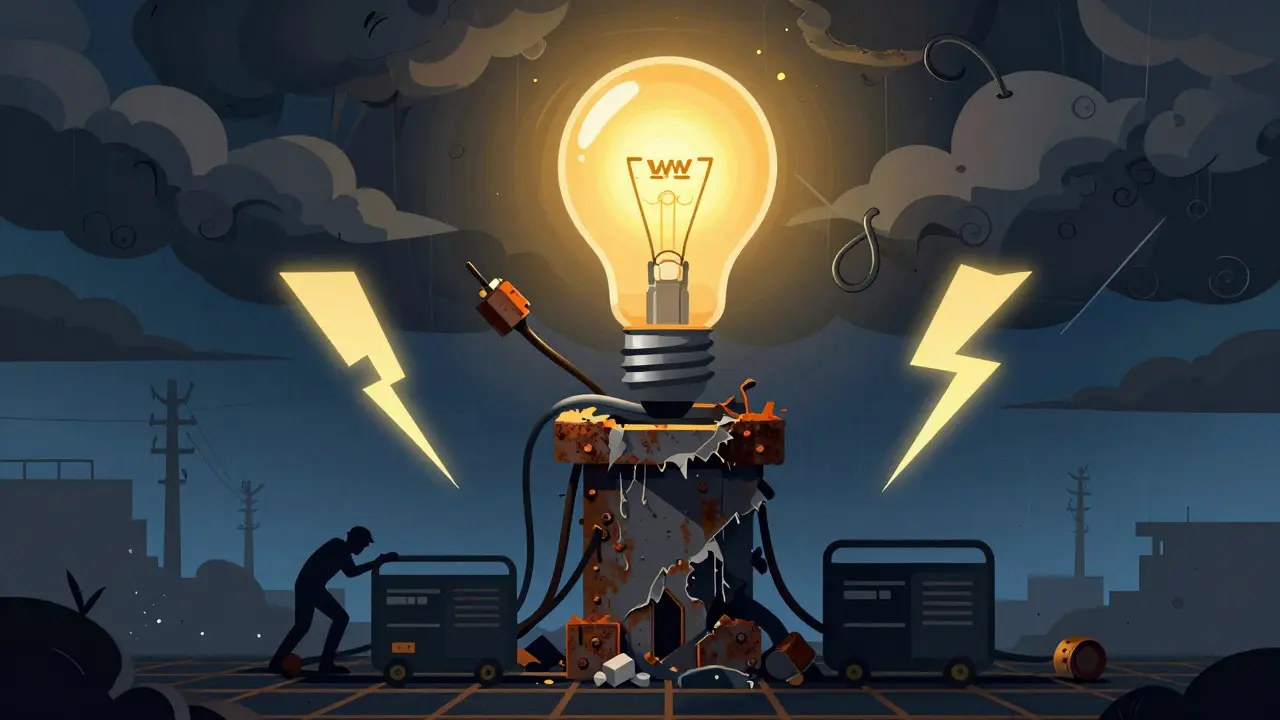
Venezuela’s biggest selling point for crypto mining is its subsidized electricity. With costs averaging $0.03 per kWh compared to the global average of $0.08-$0.12 per kWh, the margins on paper look attractive. In theory, this should make Venezuela a haven for energy-intensive operations. In practice, the story is more complicated.
The grid is unreliable. In 2023, miners reported experiencing 40 to 60 hours of power outages per month. This forces operators to invest heavily in backup generators, which increases operational costs by approximately 25%. So, while the base rate is low, the effective cost of reliable power is higher than advertised.
Furthermore, the government views crypto mining as a strain on public resources. Licensed mining centers accounted for about 10% of Venezuela’s total electricity usage as of 2025. This concentration has prompted regulatory scrutiny. In May 2024, the government temporarily banned crypto mining citing “excessive energy consumption concerns.” This ban followed a corruption probe that had already closed several facilities in 2023. The message is clear: your mining operation is tolerated only as long as it serves the state’s interests and doesn’t disrupt domestic supply.
Operational Challenges and Technical Limitations
Beyond licensing and power, the technical execution of state-controlled mining faces significant headwinds. The National Mining Pool (NMP) itself has been a source of frustration. Miners have reported inconsistent reward distribution and connectivity issues. These technical glitches reduce operational efficiency by an estimated 15-20% compared to independent mining operations elsewhere.
Why does this happen? The NMP is a centralized system managed by state entities that may lack the technical expertise or incentive to optimize performance. Unlike private pools that compete for hash rate by offering lower fees and higher uptime, the NMP operates as a monopoly. There is no competition to drive improvement.
Additionally, the fragmentation of the ecosystem creates uncertainty. While the legal framework permits custody and exchange of cryptoassets, enforcement is inconsistent. Industry analysts describe the environment as “chaotic,” with a wide gap between legalized Bitcoin mining and the dysfunction of regulatory agencies. This uncertainty undermines potential economic benefits, as investors hesitate to commit long-term capital.
| Factor | Venezuela (State-Controlled) | Global Average (Independent) |
|---|---|---|
| Electricity Cost | $0.03/kWh (subsidized) | $0.08-$0.12/kWh |
| Reliability | Low (40-60 hrs/month outages) | High (99.9% uptime typical) |
| Licensing Time | 90-120 days | N/A (Self-regulated) |
| Pool Efficiency | Reduced by 15-20% | Optimized for profit |
| Regulatory Risk | Very High (sudden bans) | Moderate (jurisdiction dependent) |
Political Instability and Enforcement Gaps
You cannot separate crypto mining in Venezuela from politics. The sector is directly tied to the administration of President Nicolás Maduro. Since March 2023, SUNACRIP has experienced significant operational paralysis following a corruption investigation involving the oil industry and the head of the crypto ministry. Although the agency was reorganized in March 2024 with private sector involvement through CAVEMCRIP, trust remains low.
The political context is volatile. Following the July 2024 elections, the government faced widespread domestic anger and international criticism. The International Criminal Court is investigating security forces for crimes against humanity, and the US maintains bounties on Maduro and other officials for alleged drug trafficking. This geopolitical tension translates into regulatory risk for crypto operators.
Industry experts predict little change in the crypto sector until the administration changes. Legislation and oversight remain stagnant, creating a vacuum where informal practices often fill the gaps. For instance, while the state promotes mining, many citizens use stablecoins to preserve purchasing power amid hyperinflation. Approximately 70% of Venezuelans reportedly use stablecoins for everyday transactions. This grassroots adoption contrasts sharply with the top-down approach to mining, highlighting a disconnect between state policy and public behavior.
Future Outlook: Banking Integration and New Initiatives
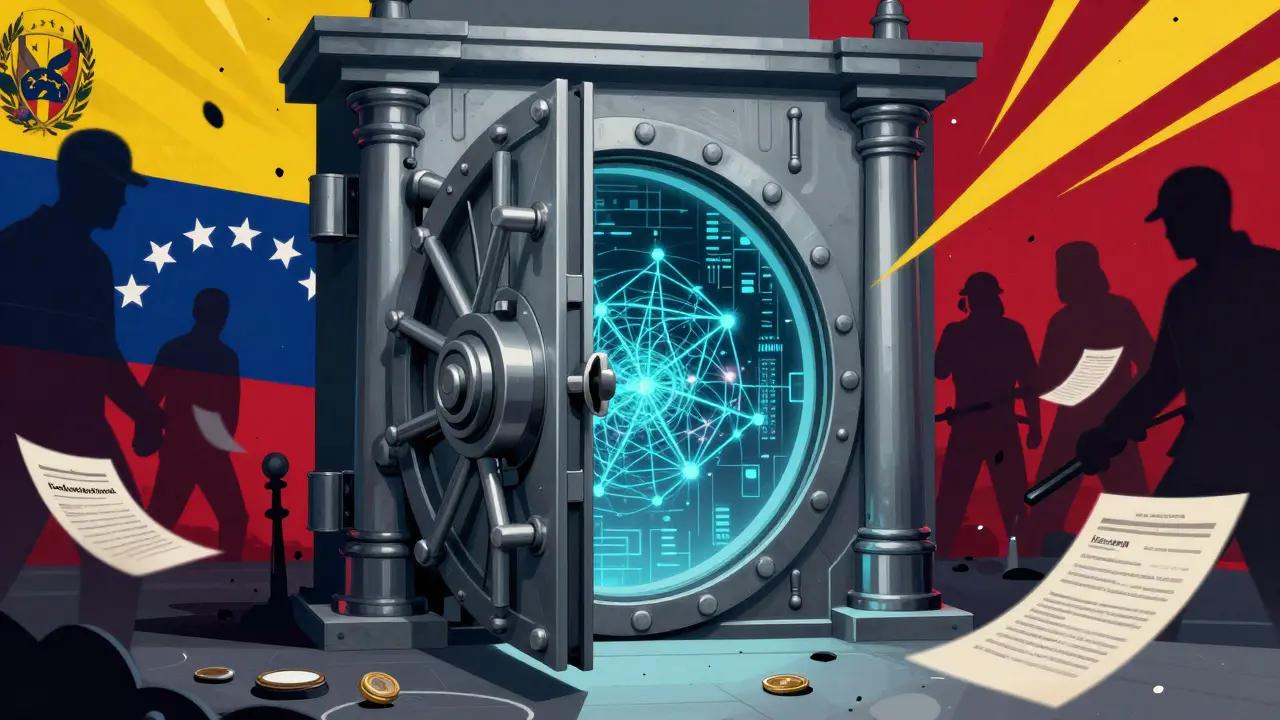
Despite the challenges, there are signs of evolution. The government is pushing for greater banking integration. Through the Conexus initiative, which manages 40% of Venezuela’s electronic transfers, the state is developing a blockchain-based interbank network. By December 2025, banks will be allowed to custody, transfer, and exchange Bitcoin and stablecoins directly with customers.
This move positions Venezuela as a pioneer in crypto-integrated financial systems, albeit one driven by state necessity rather than market freedom. The goal is to formalize the flow of digital assets and capture value within the traditional banking sector. For miners, this could mean easier access to fiat conversion channels, but also tighter surveillance.
Investment activity persists despite the risks. In 2024, Venezuela attracted $10.75 million in crypto-focused investments. Startups like El Dorado ($3 million) and Yeet ($7.75 million) secured funding, indicating that some investors see long-term potential. However, ecosystem fragmentation remains a problem, with underfunded infrastructure projects hindering broader growth.
Blockchain transactions increased by 35% year-over-year in 2024, reflecting the growing reliance on cryptocurrencies for remittances and daily transactions. This trend suggests that regardless of regulatory hurdles, the demand for digital assets in Venezuela is resilient. The question is whether the state-controlled model can sustain this growth without stifling innovation.
Risks and Mitigations for Operators
If you are considering operating in this space, you must have a robust risk management strategy. Here are the key pitfalls to avoid:
- Sudden Bans: Have an exit strategy ready. Keep hardware portable and maintain relationships with partners outside Venezuela to quickly relocate operations if needed.
- Currency Conversion: Ensure you have reliable channels to convert mined crypto into stablecoins or fiat. Relying solely on local banks can be risky due to capital controls.
- Legal Compliance: Work with local legal experts specializing in crypto law. Misinterpreting Ruling No. 044-2021 can lead to severe penalties, including asset seizure.
- Power Backup: Invest in high-quality generators or solar solutions to mitigate grid outages. Do not rely on the subsidy alone.
The margin for error is slim. Success in Venezuela requires not just technical skill, but political savvy and operational flexibility.
Frequently Asked Questions
Is crypto mining legal in Venezuela?
Yes, crypto mining is legal but strictly regulated. All operations must be licensed by SUNACRIP and participate in the National Mining Pool (NMP). Unlicensed mining is illegal and subject to penalties.
What is the role of SUNACRIP?
SUNACRIP (National Superintendence of Cryptocurrencies) is the government agency responsible for regulating crypto activities. It issues licenses, enforces compliance with anti-money laundering laws, and oversees the National Mining Pool.
How much does electricity cost for miners in Venezuela?
The subsidized rate is approximately $0.03 per kWh. However, frequent power outages force miners to use backup generators, which can increase effective costs by 25%.
Can I mine Bitcoin independently without joining the National Mining Pool?
No. State regulations require all licensed miners to enroll in the National Mining Pool (NMP). Operating outside this system is considered non-compliant and carries significant legal risks.
What happens if my mining license application is rejected?
Rejections are common due to strict requirements, such as proving 500kW electrical capacity. If rejected, you may appeal, but the process is slow. Many operators choose to abandon the effort due to the 90-120 day waiting period.
Are there any recent bans on crypto mining?
In May 2024, the government temporarily banned crypto mining citing excessive energy consumption. This ban was part of broader regulatory adjustments following corruption investigations. Operations resumed for licensed entities after reorganization efforts.
Will banks in Venezuela support crypto services soon?
Yes. The Conexus initiative aims to enable banks to custody, transfer, and exchange Bitcoin and stablecoins by December 2025. This marks a shift toward integrating crypto into the traditional financial system.