Blockchain Infrastructure: What It Is, How It Works, and Why It Matters
When you send Bitcoin or stake ETH, you're not just moving money—you're relying on blockchain infrastructure, the underlying systems that secure, validate, and record transactions across decentralized networks. Also known as crypto network backbone, it’s what keeps the whole system alive without banks or middlemen. Without it, crypto wouldn’t exist. It’s not just code—it’s hardware, protocols, consensus rules, and economic incentives working together in real time.
This infrastructure includes blockchain validation, the method used to confirm transactions and add them to the chain. Proof of Work and Proof of Stake are the two main ways this happens. Mining, like in Bitcoin, uses powerful computers solving math puzzles. Staking, like in Ethereum, lets users lock up coins to help secure the network. Both have trade-offs: mining uses tons of energy, staking is cheaper but needs you to hold coins. The choice affects everything from speed to environmental impact. Then there are sidechains, separate blockchains that connect to mainnets like Ethereum or Bitcoin to handle extra traffic. Polygon, Liquid Network—these let apps run faster and cheaper without overloading the main chain. But they come with risks: if the sidechain gets hacked, your funds might be gone, even if the main chain is safe. And then there’s mining difficulty, the automatic adjustment that keeps block times steady as more or fewer miners join the network. Adaptive mining difficulty makes networks like Bitcoin more resilient. If miners leave, it gets easier. If they flood in, it gets harder. This keeps the system balanced without human intervention.
None of this matters if the exchanges or apps built on top are broken. That’s why you see posts about crypto exchanges shutting down—like EQONEX or ErisX—or others being flagged for fake volume and no audits. A strong blockchain infrastructure can’t save a shady platform. You need both: solid tech underneath and trustworthy interfaces on top. Some countries, like Angola, ban mining because the power grid can’t handle it. Others, like Pakistan, give away 2,000 MW of electricity to miners because they see it as economic opportunity. Regulations, energy use, and tech design all tie back to the same foundation.
What you’ll find below aren’t just random articles. They’re real-world case studies of how blockchain infrastructure succeeds—or fails. You’ll see how sidechains enable gaming tokens, how mining difficulty keeps Bitcoin alive, how exchanges break when they ignore security, and why some airdrops are just scams built on empty chains. This isn’t theory. It’s what’s happening right now, in real networks, with real money at stake.
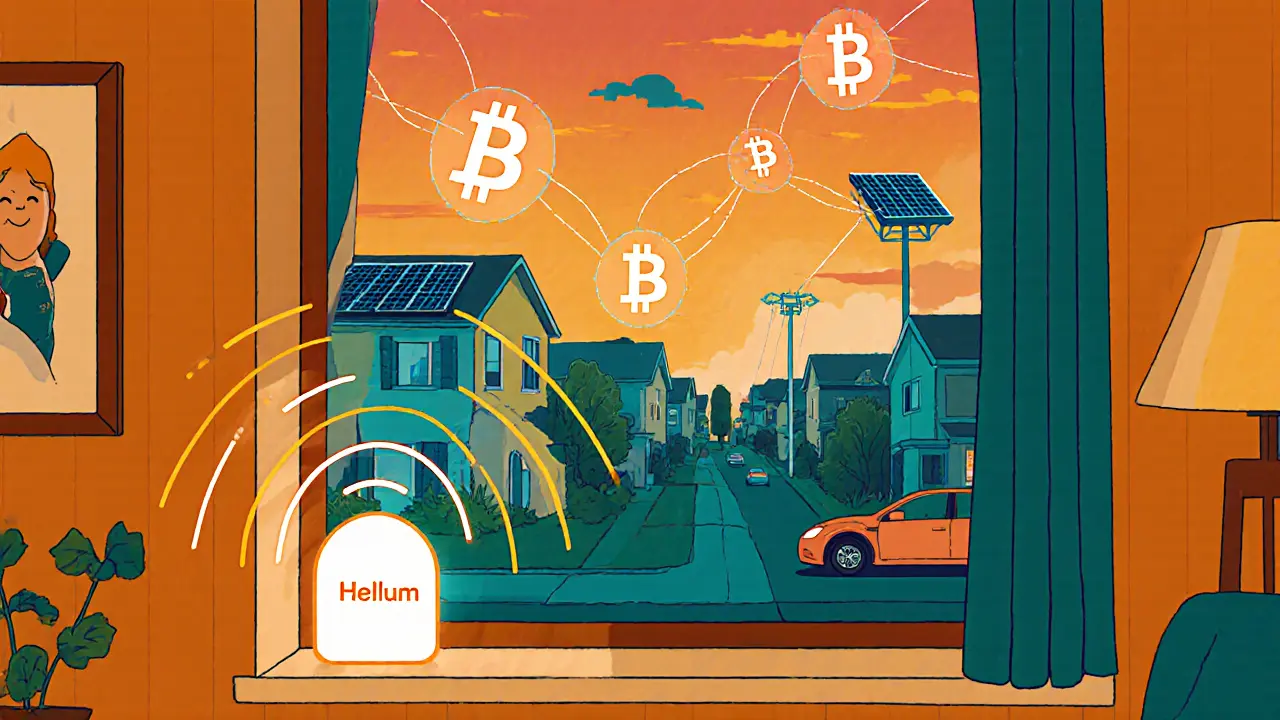
Real-World DePIN Applications: How Blockchain Is Powering Physical Infrastructure
DePIN applications use blockchain to turn everyday hardware into shared infrastructure-like Wi-Fi, storage, and energy networks-where people earn crypto for contributing resources. Real examples include Helium, Filecoin, and peer-to-peer energy trading.
Read More