Crypto Legal Status in Mexico: What’s Allowed, What’s Not
When it comes to crypto legal status in Mexico, the country doesn’t ban cryptocurrency but treats it as a legal financial instrument without official currency status. Also known as Mexican crypto regulation, this approach lets people buy, sell, and hold digital assets — but without the safety net of government backing or formal oversight. Unlike countries that outright ban crypto or create strict licensing systems, Mexico’s stance is hands-off. The government doesn’t prohibit Bitcoin, Ethereum, or any other token. But it also doesn’t recognize them as legal tender. That means you can use crypto to pay for goods if a merchant agrees, but banks and businesses aren’t required to accept it.
This loose framework has created a wild west for crypto users. Many Mexicans turn to crypto not for speculation, but because it’s one of the few ways to send money across borders without high fees or delays. With inflation eating away at the peso and traditional banking access limited in rural areas, crypto has become a practical tool. Peer-to-peer platforms like LocalBitcoins and Paxful are popular, and exchanges like Binance and Kraken operate openly — though they’re not regulated by Mexico’s financial authorities. The central bank has warned about risks, but it hasn’t stepped in to enforce rules. That leaves users on their own when things go wrong.
What about mining? There’s no ban on crypto mining in Mexico, and some regions with cheap electricity have seen small-scale operations pop up. But unlike Pakistan or Angola, where governments are allocating massive power for mining, Mexico hasn’t made any official moves to support or restrict it. Taxation is another gray area. The tax agency (SAT) says crypto gains are taxable as capital income, but enforcement is rare. Most users don’t report it — not because they’re hiding, but because there’s no clear system to do so.
The lack of clear rules means scams thrive. Fake airdrops, exit scams like DDM or UniWorld, and unregulated exchanges like LocalTrade show up often. People lose money because there’s no official body to turn to for help. The government’s silence isn’t neutrality — it’s neglect. And while that freedom lets innovation happen, it also leaves users exposed.
So what does this all mean for you? If you’re in Mexico, you can legally hold and trade crypto. But you’re on your own if something goes wrong. No deposit insurance. No chargebacks. No legal recourse. The crypto legal status in Mexico is simple: it’s allowed, but not protected. The posts below dig into real cases — from scams targeting Mexican users to how local miners are navigating the gray zone. You’ll find what’s working, what’s dangerous, and what no one’s telling you about crypto here.
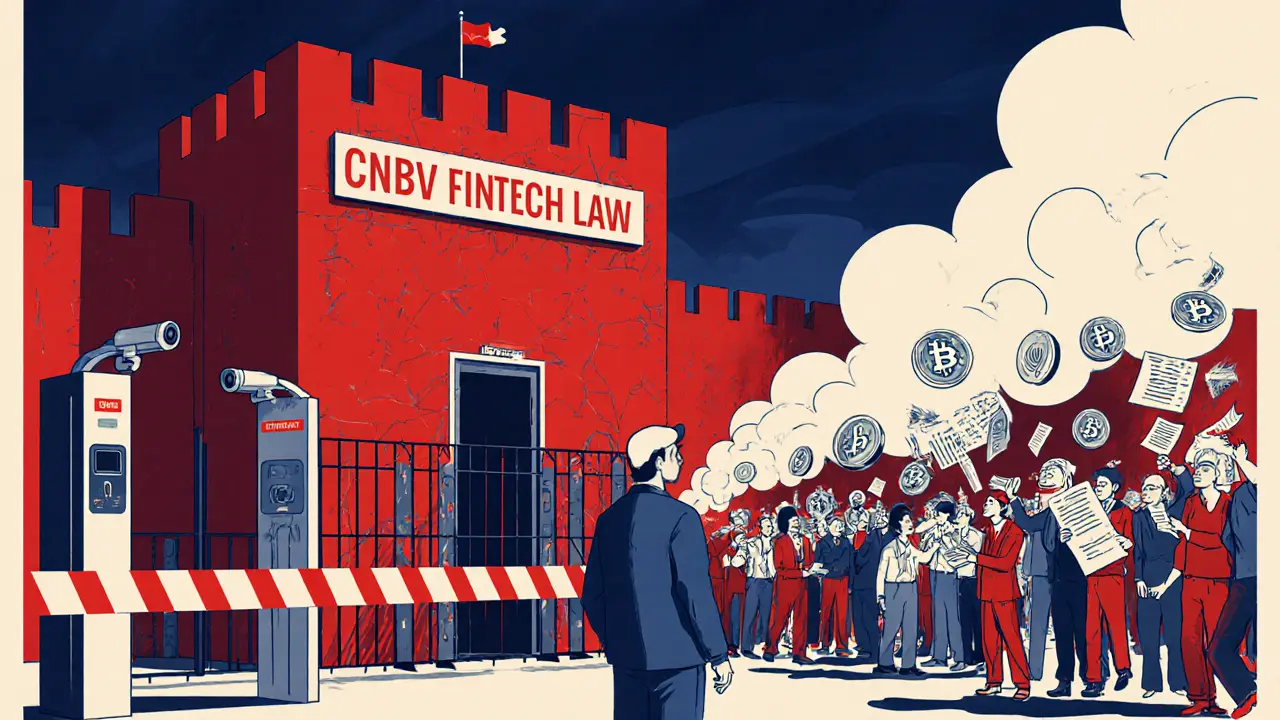
FinTech Law and Cryptocurrency in Mexico: What You Need to Know in 2025
Mexico's FinTech Law regulates digital finance strictly but leaves cryptocurrency in legal limbo. Learn how crypto use is allowed for individuals but blocked for banks, and why startups struggle under heavy compliance rules in 2025.
Read More