Crypto Security: Protect Your Coins from Scams, Scammers, and Shutdowns
When it comes to crypto security, the practices and systems that protect cryptocurrency holdings from theft, fraud, and regulatory overreach. Also known as digital asset protection, it’s not just about keeping your private keys safe—it’s about knowing which coins are real, which exchanges won’t vanish overnight, and which governments are about to shut down your mining rig. Too many people think crypto security means using a strong password. That’s like thinking a bike lock keeps your car safe. The real threats? Fake tokens like Deutsche Mark (DDM), a non-existent stablecoin with zero supply and a fake website, or platforms like LocalTrade, an unregulated exchange linked to lost funds and recovery scams. These aren’t edge cases—they’re the norm.
Crypto security also means understanding crypto regulations, how governments control or ban digital assets within their borders. Angola banned mining and threw people in jail. Pakistan gave away 2,000 MW of electricity to miners. Iran turned to Bitcoin because the global banking system cut them off. These aren’t random events—they’re direct responses to how crypto is used, and they change what’s safe to hold. If you’re trading on a platform that doesn’t list its legal status, you’re already at risk. The FATF blacklist doesn’t just affect countries—it affects your wallet. And if you’re chasing airdrops like CovidToken, a non-existent project designed to steal your MetaMask details, you’re not investing—you’re handing over your keys to a scammer.
Security isn’t just about avoiding scams. It’s about knowing what’s alive and what’s dead. Coins like Bitstar (BITS), a dead cryptocurrency with no trading volume or team, or UniWorld (UNW), a zombie token with zero circulating supply, are digital ghosts. Holding them doesn’t make you a pioneer—it makes you a target for fake price charts and fake staking sites. Even legitimate tools like sidechains or DeFi platforms come with hidden risks. You need to know who’s behind them, if they’re audited, and if the devs have walked away. That’s crypto security in 2025: not tech, not tools, but truth. Below, you’ll find real stories of scams that blew up, exchanges that vanished, and regulations that changed everything. No fluff. No hype. Just what actually happened—and how to stay out of the next disaster.
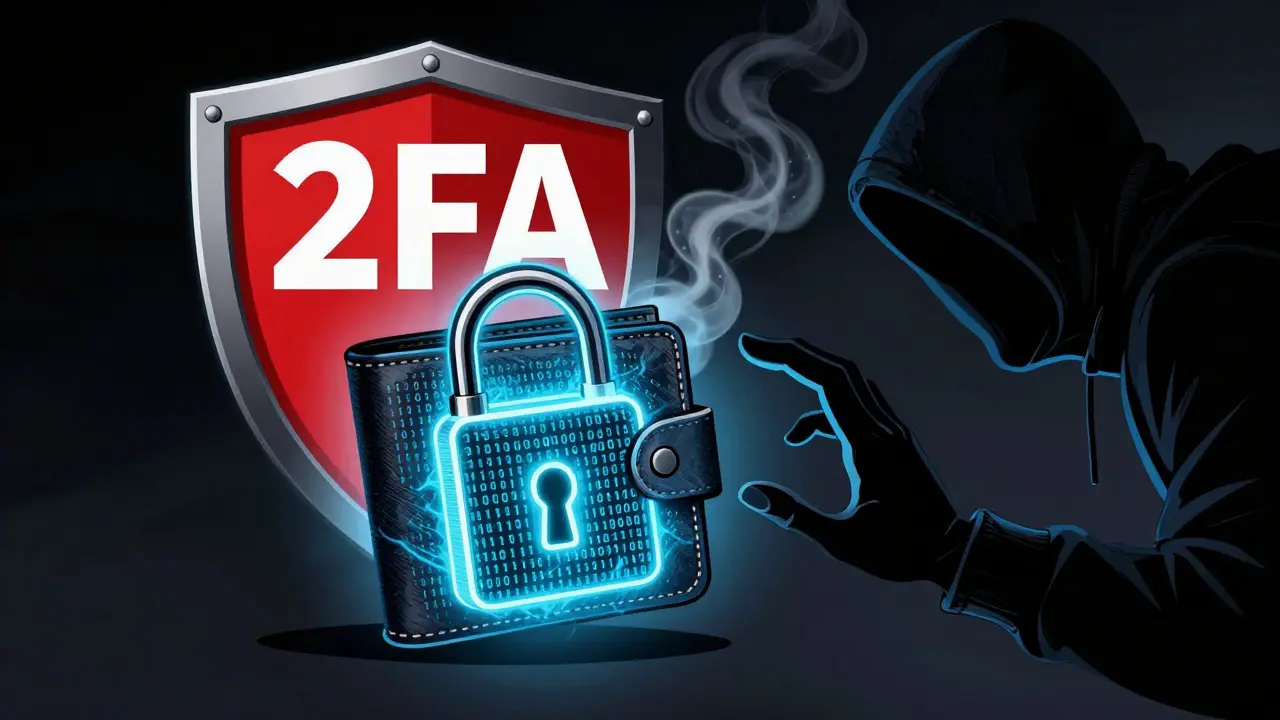
What is 2FA for Cryptocurrency Accounts? A Simple Guide to Securing Your Digital Wallet
2FA for cryptocurrency accounts adds a critical second layer of security to protect your digital assets from hackers. Learn how it works, which methods are safest, and what to do if you lose access.
Read More
Understanding Different Types of Crypto Wallets: Hot, Cold, and Hardware Explained
Learn how hot, cold, and hardware wallets work, their pros and cons, and which one to use based on your crypto habits. Get real-world advice on security, setup, and avoiding common mistakes.
Read More