Decentralized Physical Infrastructure: What It Is and Why It Matters in Crypto
When we talk about decentralized physical infrastructure, the real-world hardware and systems that support blockchain networks outside of digital code. Also known as DePIN, it’s what keeps crypto alive when the internet goes down or power fails. This isn’t just about servers in a data center—it’s about solar panels powering mining rigs in Pakistan, private fiber networks bypassing state-controlled internet in Iran, and community-run node networks replacing corporate cloud services.
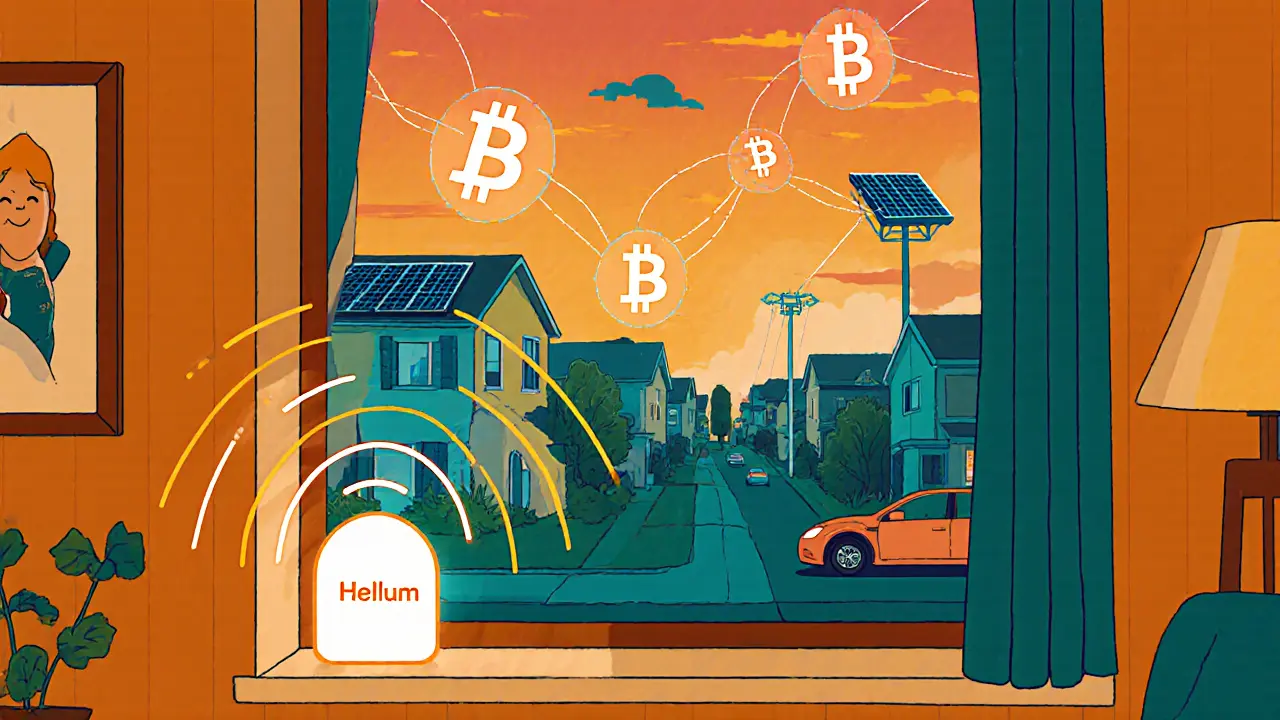
DePIN connects blockchain to tangible things: electricity, bandwidth, storage, and even transportation. Projects like Filecoin pay users to rent out spare hard drive space. Helium lets people earn crypto by setting up wireless hotspots in their homes. These aren’t theoretical ideas—they’re active networks with real users, real hardware, and real economic incentives. Unlike traditional cloud providers, DePIN doesn’t rely on one company controlling everything. It turns everyday people into infrastructure providers, turning unused resources into crypto income.
But it’s not all smooth sailing. Many DePIN projects fail because they can’t attract enough users, or the tokens they issue lose value fast. Some, like those tied to energy mining in Angola or Pakistan, run into government crackdowns. Others get drowned in hype, with tokens that have no real utility beyond speculation. The ones that survive are simple, solve real problems, and reward participants fairly. That’s why you’ll find posts here about crypto mining policies, energy allocation, and even scams disguised as infrastructure projects. You’ll see how Pakistan’s 2,000 MW mining push could reshape global crypto economics, how Angola’s ban backfired, and why some so-called "decentralized" networks are just centralized in disguise.
What you’ll find below isn’t a list of shiny new tokens—it’s a real look at the physical world behind the blockchain. From the solar-powered nodes in rural areas to the buried fiber cables that carry Web3 traffic, these are the hidden systems keeping crypto running. Some are thriving. Others are dead. All of them matter.
Real-World DePIN Applications: How Blockchain Is Powering Physical Infrastructure
DePIN applications use blockchain to turn everyday hardware into shared infrastructure-like Wi-Fi, storage, and energy networks-where people earn crypto for contributing resources. Real examples include Helium, Filecoin, and peer-to-peer energy trading.
Read More