Decentralized Storage: What It Is and Why It Matters in Crypto
When you upload a photo to Instagram or save a document on Google Drive, you're trusting a single company to keep it safe. But what if that company disappears, gets hacked, or decides to delete your files? Decentralized storage, a system that spreads data across thousands of computers instead of one central server. Also known as peer-to-peer storage, it’s the backbone of many crypto projects that want to make data censorship-resistant and permanently available. Unlike cloud services, no single entity controls it. If one node goes down, the data stays online because others still have copies. This isn’t theory—it’s already powering real tools used by developers, artists, and activists around the world.
Two big names in this space are IPFS, a protocol that lets you access files using their content instead of a location. Also known as InterPlanetary File System, it’s what lets websites like Arweave and Brave Browser load content without relying on traditional servers. And then there’s Filecoin, a blockchain network where people earn crypto by renting out unused hard drive space. Also known as crypto-powered storage, it turns idle storage into a market, making decentralized storage affordable and scalable. These aren’t just tech buzzwords—they’re practical alternatives to Amazon S3 and Google Cloud. Projects using them include NFT marketplaces, decentralized social networks, and even government archives in countries where censorship is a risk.
Why does this matter for crypto users? Because if your NFT’s image or your DAO’s voting records are stored on a centralized server, they can vanish overnight. Decentralized storage keeps your digital assets tied to the blockchain, not to a company’s server. That’s why you’ll see it mentioned in posts about NFTs, DeFi apps, and blockchain-based games. It’s not about being fancy—it’s about being reliable. The posts below show real examples: from projects using IPFS to store game assets, to scams pretending to offer "decentralized" storage while actually hoarding data on centralized servers. You’ll also find reviews of platforms that actually deliver on the promise, and others that don’t. Whether you’re storing a photo, a smart contract, or an entire website, knowing how decentralized storage works helps you avoid losing your stuff—and spot the fakes before you invest.
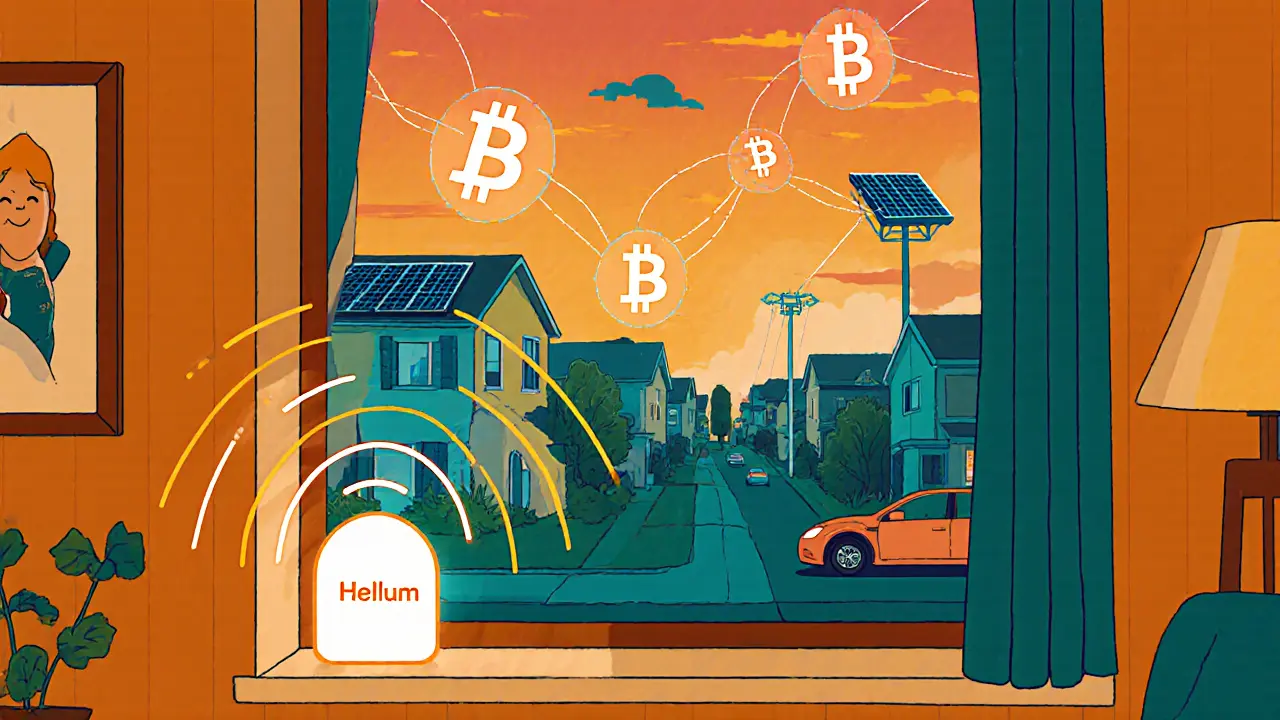
Real-World DePIN Applications: How Blockchain Is Powering Physical Infrastructure
DePIN applications use blockchain to turn everyday hardware into shared infrastructure-like Wi-Fi, storage, and energy networks-where people earn crypto for contributing resources. Real examples include Helium, Filecoin, and peer-to-peer energy trading.
Read More