Foreign Crypto Assets: How Global Policies Shape Crypto Use Beyond Borders
When people talk about foreign crypto assets, digital currencies used outside their country of origin, often to bypass financial restrictions or sanctions. Also known as cross-border cryptocurrency, it's not just about trading—it's about survival. In countries where banks won’t let you send money abroad, or where the local currency is collapsing, crypto isn’t a luxury. It’s the only way to keep food on the table.
Take Iran, a nation under heavy international sanctions that turned to crypto mining as a lifeline for foreign currency. Also known as Iranian cryptocurrency, it’s fueled by state-subsidized electricity, even as millions face daily blackouts. The government doesn’t care if citizens freeze—it cares about earning dollars. Meanwhile, Pakistan, a country with chronic power shortages, just allocated 2,000 megawatts of electricity to crypto mining and AI centers. Also known as crypto energy allocation, this move could make it one of the world’s biggest mining hubs overnight. These aren’t random choices. They’re responses to global financial exclusion.
Crypto sanctions, official restrictions on crypto transactions tied to specific countries or entities. Also known as OFAC crypto enforcement, they’ve turned Bitcoin into a tool of resistance—not just speculation. In 2024, $15.8 billion in crypto flowed to sanctioned entities. That’s not hackers. That’s families paying for medicine, students sending money home, and small businesses keeping open. The FATF blacklist didn’t stop crypto in Iran—it made it essential. And it’s not just Iran. Angola banned mining to save its grid. India slapped a 30% tax on every trade. Canada’s rules change by province. Each policy, whether strict or strange, shapes how people use crypto differently.
What you’ll find below isn’t a list of coins or price charts. It’s a map of real-world decisions. You’ll see how meme coins like Nya and MONK rise and crash in places with no regulation, how fake airdrops like RBT and MDX prey on desperation, and how platforms like ACE Exchange in Taiwan become the only legal way to trade. You’ll read about dead projects like Blue Protocol and Deutsche Mark—cautionary tales for anyone chasing quick cash. And you’ll see how DePIN networks like Helium and Filecoin let ordinary people turn their routers and hard drives into global infrastructure, earning crypto without leaving home.
This isn’t about speculation. It’s about access. It’s about power. It’s about who controls money when the system fails. The stories here aren’t theoretical—they’re happening right now, in living rooms, in basements, in countries where the lights go out but the blockchain stays on.
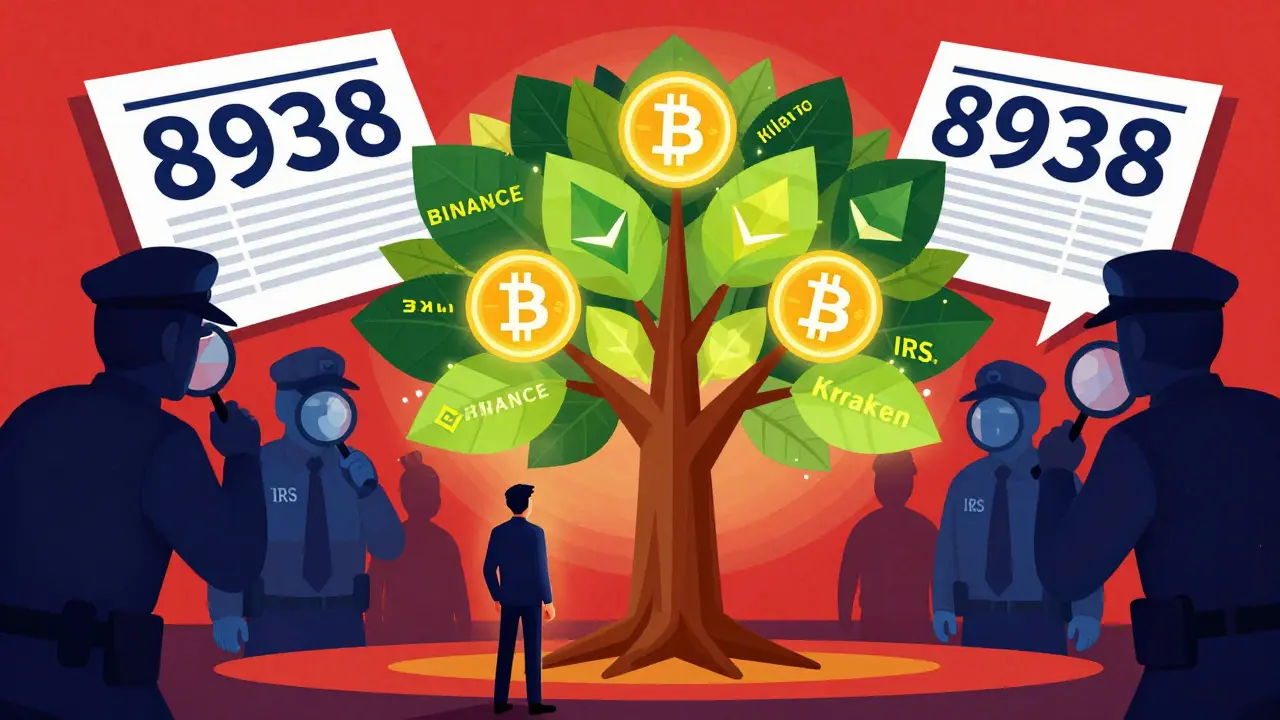
FATCA and Cryptocurrency Reporting for US Citizens: What You Must Know in 2025
U.S. citizens holding cryptocurrency on foreign exchanges must report these assets under FATCA and possibly FBAR. Failure to comply can result in severe penalties. Learn the thresholds, reporting rules, and how to stay compliant in 2025.
Read More