Governance Token: What It Is and How It Powers Crypto Decision-Making
When you hold a governance token, a digital asset that gives you a say in how a blockchain project evolves. Also known as voting token, it’s not just another coin—it’s a key to influence. Unlike regular tokens that track value, governance tokens let you vote on changes: new features, fee structures, treasury spending, even who runs the project. Think of it like owning a share in a company, but instead of a boardroom, you’re voting on code updates and rules on a blockchain.
These tokens are the backbone of DAOs, decentralized autonomous organizations that run without central leaders. In a DAO, no CEO makes the call—holders do. For example, if a DeFi protocol wants to change how interest rates work, it doesn’t just update the code. It puts the question to token holders. The more tokens you hold, the more weight your vote carries. That’s why some people buy governance tokens not to flip them, but to shape the future of the projects they believe in.
But here’s the catch: not all governance tokens are created equal. Some projects give real power to users. Others? The team holds 90% of the tokens and votes however they want—making the whole system a show. That’s why you need to dig deeper. Check who controls the majority. Look at past votes. Did the community actually change anything? Projects like STON.fi, a decentralized exchange on the TON blockchain that uses its STON token for governance and gas payments give users real control. Others, like dead tokens with zero trading volume, pretend to be democratic but are just ghosts.
What you’ll find below aren’t just random posts. They’re real examples of how governance plays out—or fails—in crypto. You’ll see tokens that actually let people decide, like STON.fi’s, and others that are just scams dressed up as decentralized. You’ll also find projects where governance was ignored, ignored, then abandoned. Some tokens were tied to gaming economies, others to mining policies or regulatory crackdowns. Every post here shows how power, or the lack of it, shapes crypto’s real-world outcomes. No fluff. Just what happens when people try to run systems without bosses.
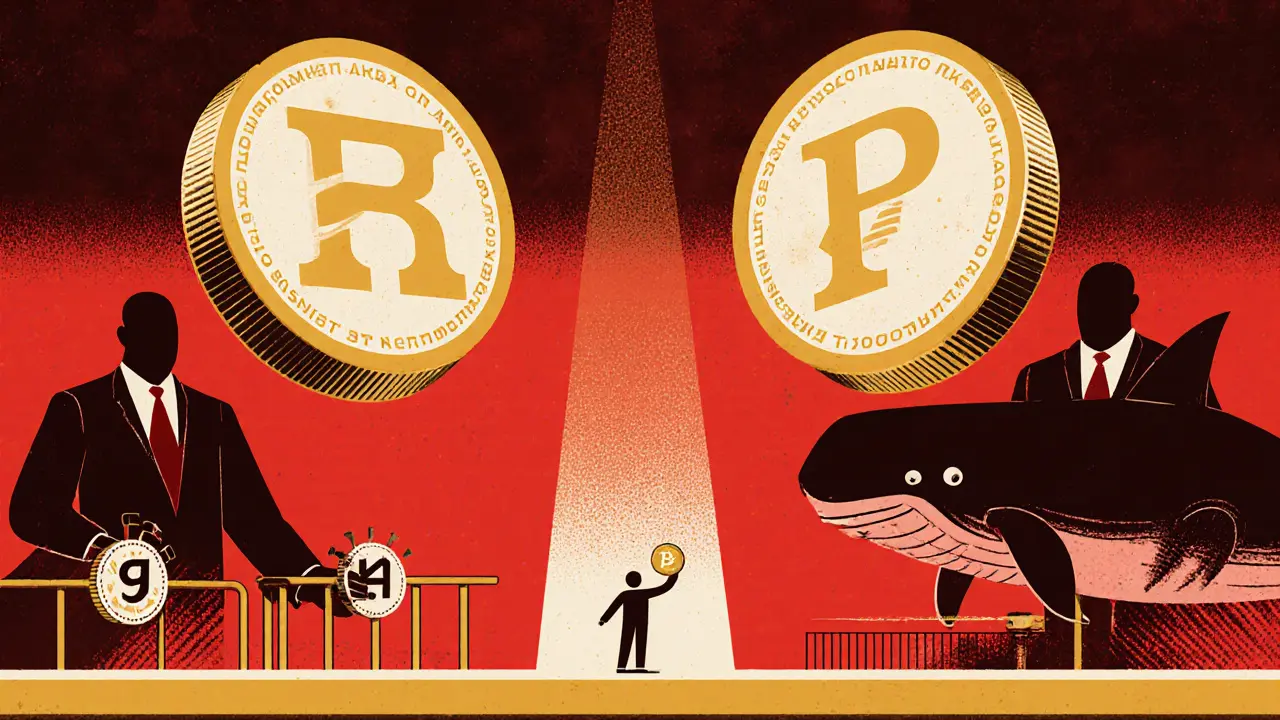
Understanding Governance Token Value: How Voting Rights Drive Decentralized Finance
Governance tokens give holders voting power in decentralized protocols, but their value is often speculative and concentrated in the hands of a few. Learn how they work, why participation matters, and what’s being done to fix broken systems.
Read More