Helium Network: What It Is, How It Works, and Why It Matters in Crypto
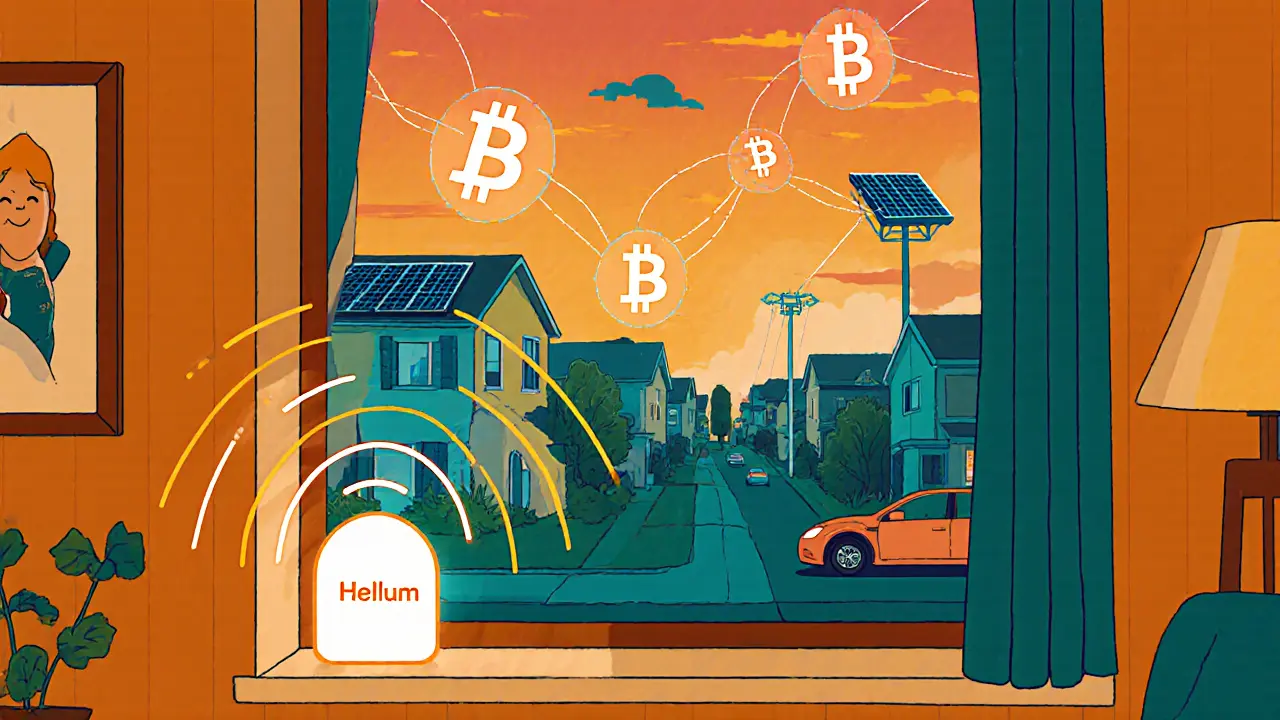
When you think of blockchain, you probably think of Bitcoin or Ethereum. But the Helium Network, a decentralized wireless network that uses blockchain to reward users for providing internet coverage to IoT devices. Also known as Helium Blockchain, it’s not about trading or speculation—it’s about building real-world infrastructure with crypto. Unlike other crypto projects that sit on top of existing systems, Helium flips the script: it lets ordinary people earn cryptocurrency by installing small hardware devices called hotspots that give internet access to smart sensors, trackers, and gadgets.
The core of the Helium Network is HNT, the native cryptocurrency used to pay for data transfers and reward hotspot owners. Also known as Helium Token, it’s not traded just for profit—it’s the fuel that keeps the whole system running. When your hotspot connects to nearby IoT devices—like a bike tracker or a soil sensor—it earns HNT for proving it’s providing coverage. This is done using a unique consensus mechanism called Proof of Coverage, which verifies that hotspots are actually where they say they are, using wireless signals and challenges from neighboring devices. It’s not mining in the traditional sense. There’s no giant power plant humming away. Just a box on your windowsill, quietly earning crypto by helping machines talk to each other.
The network runs on LoRaWAN, a low-power, long-range wireless protocol designed specifically for connecting small devices over vast areas. Also known as Long Range Wide Area Network, it’s the reason Helium can cover entire cities with just a few hundred hotspots. This isn’t about streaming videos or browsing the web. It’s about smart agriculture, logistics, asset tracking, and environmental monitoring—all things that need cheap, reliable, battery-powered internet. Helium made this possible by turning a public utility into a peer-to-peer network. No telecom company needed. No monthly fees. Just people helping each other build coverage, and getting paid in crypto for it.
What makes Helium different isn’t the tech alone—it’s the incentive structure. You don’t need to be a tech expert or own expensive gear. A $200 hotspot, plugged into your home Wi-Fi, can start earning HNT within hours. Thousands of people in rural areas, small towns, and even apartments have joined because they saw a chance to make something useful while making money. And it’s growing: from empty fields to downtowns, the network is expanding because users care about the outcome, not just the price chart.
But it’s not perfect. The early hype led to overbuilding in some areas, and the value of HNT has swung wildly. Some hotspots earn nothing if there’s no demand nearby. Others sit idle because people bought them expecting quick riches. The network has had to adapt—shifting rewards, tightening rules, and cleaning up fake activity. But the core idea remains: blockchain can do more than finance. It can build infrastructure.
Below, you’ll find real reviews, deep dives, and scam alerts about Helium and related crypto projects. Some posts explain how to set up a hotspot the right way. Others warn you about fake HNT airdrops or misleading mining rigs. There are also posts about other blockchain networks trying to copy Helium’s model—and why most fail. Whether you’re curious about earning crypto passively, or you want to understand how decentralized networks solve real problems, the articles here cut through the noise.
Real-World DePIN Applications: How Blockchain Is Powering Physical Infrastructure
DePIN applications use blockchain to turn everyday hardware into shared infrastructure-like Wi-Fi, storage, and energy networks-where people earn crypto for contributing resources. Real examples include Helium, Filecoin, and peer-to-peer energy trading.
Read More