In-Game NFTs: What They Are, How They Work, and Which Ones Still Matter
When you hear in-game NFTs, digital items in video games that you truly own on a blockchain, not just rented from a company. Also known as gaming tokens, they let you buy, sell, or trade gear, characters, or land outside the game’s official system. This isn’t just hype—it’s a shift in how games treat your time and money. Instead of spending hours grinding for a sword that disappears when you quit, you own it. But here’s the catch: most of these NFTs are worthless.
Real GameFi crypto, blockchain-based games that reward players with tokens for playing like Cosmic Universe Magick (MAGICK), a token used inside a fantasy MMORPG on Avalanche for buying items and voting on game rules or Metagalaxy Land (MEGALAND), a space-themed metaverse token tied to a game that’s now barely active, only have value if people actually play the game. No players? No demand. No demand? The token crashes. Many projects launched with flashy ads and promised big returns, but forgot one thing: games need to be fun first. If the gameplay is boring or the NFTs are just pay-to-win tools, players leave—and the NFTs become digital trash.
Some of these tokens aren’t scams—they’re just dead. Like FERMA SOSEDI (FERMA), a token that only works on one tiny gaming site with under 200 users, or Buggyra Coin Zero (BCZERO), a truck racing-themed token with zero trading volume and no real community. These aren’t frauds—they’re abandoned. Meanwhile, the few that still matter, like STON.fi (STON), a fast DEX on TON blockchain with deep ties to Telegram’s 800 million users, succeed because they’re built on real infrastructure, not promises.
What you’ll find here aren’t just lists of NFT games. These are real stories: the ones that died quietly, the ones that tricked people, and the few that still have a pulse. You’ll learn how to spot the difference between a game with a future and one that’s already over. No fluff. No fake hype. Just what’s actually working—and what’s not.
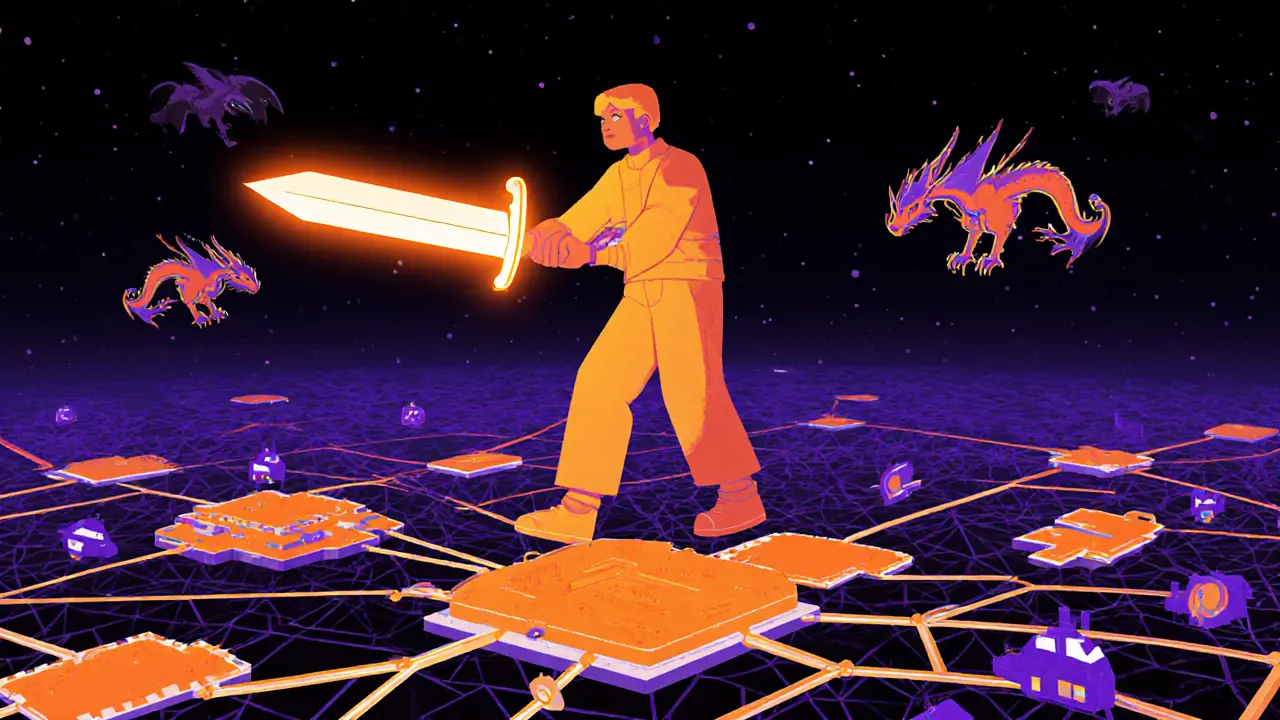
What Are Gaming NFTs? A Clear Guide to Digital Ownership in Video Games
Gaming NFTs are unique digital items in video games that you truly own, stored on a blockchain. Unlike regular in-game gear, you can sell, trade, or use them across games. They offer real ownership but come with fees, scams, and complexity.
Read More