Sanctions Evasion in Crypto: How People Bypass Restrictions and What It Costs
When governments block banks, people turn to sanctions evasion, the act of using decentralized systems to bypass financial restrictions imposed by nations or international bodies. Also known as crypto circumvention, it’s not about hiding money—it’s about survival. In places like Iran, where global banking is cut off, Bitcoin and P2P networks aren’t optional. They’re the only way millions pay for medicine, food, and electricity. This isn’t theory. It’s daily life.
FATF blacklist, a list of countries deemed high-risk for money laundering and terrorist financing directly fuels this shift. When Iran was blacklisted, traditional channels vanished. Crypto filled the gap. The same thing happened in Angola, where the government banned mining to save power—but people still ran rigs in secret. And in Pakistan, the state itself handed out 2,000 megawatts of electricity to mining operations, turning sanctions evasion into national policy. These aren’t fringe cases. They’re symptoms of a broken global financial system.
crypto sanctions, targeted financial restrictions aimed at blocking crypto use by specific countries or entities often backfire. Instead of stopping people, they push innovation underground. The result? More decentralized tools, more anonymous networks, and more risk for users. You see it in the rise of unregulated exchanges like LocalTrade, the fake airdrops pretending to be lifelines, and the dead tokens masquerading as stablecoins like DDM. These aren’t just scams—they’re side effects of a system that leaves people with no legal options.
What’s clear is this: sanctions evasion isn’t a crypto trend. It’s a human response. People aren’t chasing profits—they’re chasing access. Whether it’s a family in Tehran using Telegram-based swaps, a miner in Angola risking jail for power, or a trader in Ukraine avoiding frozen accounts, they’re all doing the same thing: finding a way when the doors are locked. The posts below show you exactly how this plays out—in real cases, with real consequences. You’ll see the scams, the crackdowns, the loopholes, and the quiet revolutions happening right under the radar.
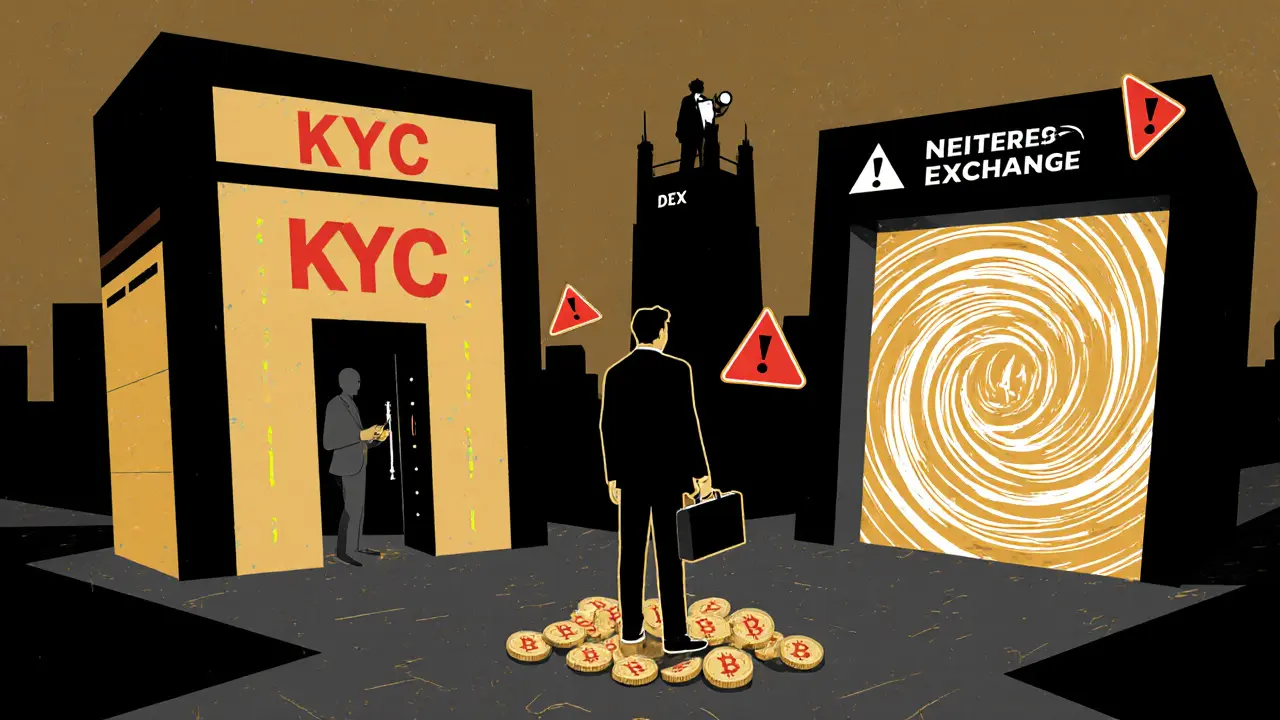
Using Multiple Crypto Exchanges to Avoid Restrictions: Risks, Methods, and Real-World Consequences
Using multiple crypto exchanges to avoid restrictions may seem smart, but it often crosses into illegal territory. Learn how regulators track evasion, why nested exchanges are dangerous, and what legal alternatives actually work.
Read More