Unlicensed Crypto: What It Is, Why It's Dangerous, and How to Avoid Scams
When you hear about a new crypto coin that promises huge returns but has no official website, no team, and no exchange listing, you’re likely dealing with unlicensed crypto, a cryptocurrency project that operates without legal oversight, regulatory approval, or transparent governance. Also known as unregulated crypto, it’s not just risky—it’s often a trap designed to vanish with your money. These projects don’t follow any rules. They don’t register with financial authorities. They don’t disclose who’s behind them. And they rarely have real users—just fake trading volume and bots pretending to buy and sell.
Look at the posts below: Deutsche Mark (DDM), a token with zero circulating supply and no real market, was pushed as a "stablecoin" but had no backing, no audits, and no way to cash out. Same with UniWorld (UNW), a dead blockchain project with no trading and no updates. Then there’s LocalTrade, an unregulated crypto exchange linked to stolen funds and fake reviews. These aren’t anomalies—they’re textbook examples of what happens when crypto operates outside the law. Unlicensed crypto thrives in the gray zones: countries with weak enforcement, people new to crypto, and platforms that don’t verify identities or transactions.
Why does this keep happening? Because it’s easy. Anyone can create a token in minutes. No license needed. No background check. No accountability. And as long as someone clicks "Buy," the scam keeps going. The real danger isn’t just losing money—it’s falling for a story that sounds too good to be true. A token tied to a "truck racing community"? A "space metaverse" with no updates in years? A "crypto airdrop" that asks for your private key? These aren’t innovations—they’re red flags painted in glitter.
Regulation doesn’t mean your crypto is safe. But unlicensed crypto? That’s a guarantee you’re playing Russian roulette with your wallet. The posts below expose the real stories behind these ghost projects—what they claim, what they hide, and how to walk away before it’s too late. You won’t find hype here. Just facts, traces of scams, and the quiet truth: if it’s not licensed, it’s not legit.
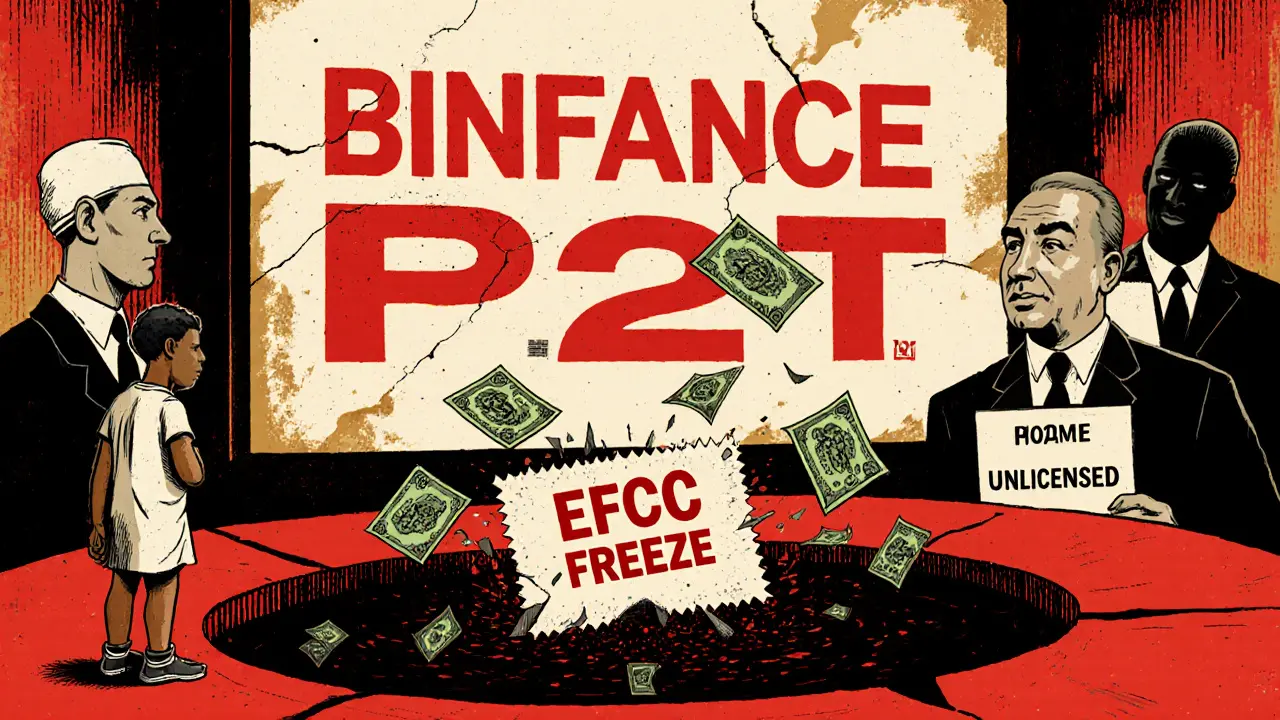
Crypto Exchanges to Avoid if You Are Nigerian in 2025
In 2025, only Quidax and Busha are legally licensed to operate crypto exchanges in Nigeria. Using unlicensed platforms like Bybit, KuCoin, or Binance P2P risks bank account freezes, asset seizures, and total loss of funds with no recourse.
Read More