Underground Crypto Trading in Tunisia: Surviving the Ban
 Sep, 19 2026
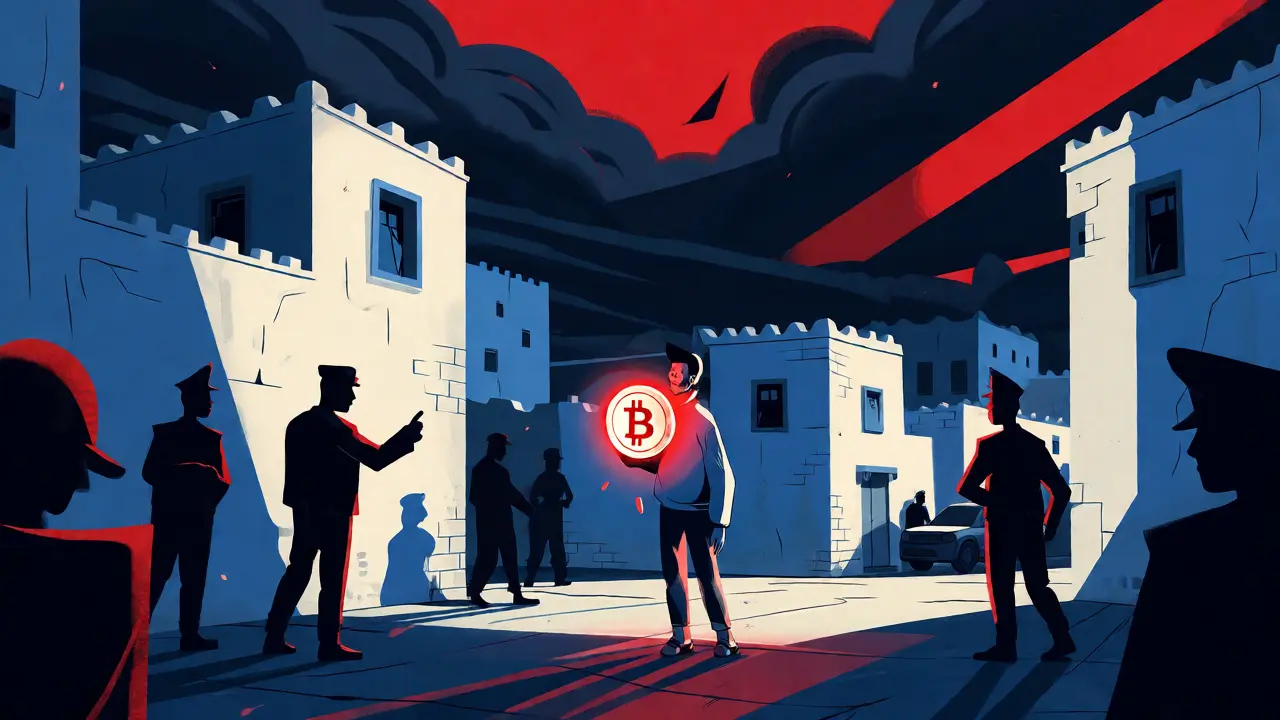
Imagine buying a coffee with Bitcoin in Tunis, only to have your bank account frozen and police knocking on your door. That’s not a dystopian novel; it’s the reality for many Tunisian crypto traders operating under strict government bans. Since May 2018, the Central Bank of Tunisia (BCT) has prohibited all cryptocurrency transactions, turning what was once a gray area into a legal minefield. Yet, paradoxically, this prohibition hasn’t stopped trading-it has just driven it underground.
You might wonder how a shadow economy thrives when the state actively hunts down participants. The answer lies in resilience and clever tech hacks. While the government explores its own digital currency projects, ordinary citizens are using peer-to-peer networks and VPNs to keep their money flowing. This article breaks down exactly how underground crypto trading works in Tunisia today, the risks involved, and why the system refuses to collapse despite severe penalties.
The Great Prohibition: Why Is Crypto Illegal?
To understand the underground market, you first need to grasp the law. In 2018, the Central Bank of TunisiaTunisian Dinar
But here is the twist: the ban doesn’t stop blockchain technology itself. In fact, the national postal service, Poste Tunisienne
The legal framework treats any crypto transaction as a violation of banking laws. If you buy Bitcoin, you aren’t just breaking a financial rule; you’re potentially facing criminal charges. This isn’t just a slap on the wrist. We’ve seen cases like a teenager jailed in 2021 simply for running a small exchange. The message from authorities is clear: if you touch crypto without permission, you risk your freedom. If the banks block you, who do you trust? The answer is each other. Underground trading in Tunisia relies heavily on Peer-to-Peer (P2P)Binance P2PHow Traders Beat the System
Here is the typical workflow:
- Find a Match: A trader searches for someone selling USDT or Bitcoin willing to accept a direct bank transfer or cash deposit.
- Use a VPN: Most traders use Virtual Private Networks to mask their IP address, making it harder for ISPs to flag crypto-related traffic.
- Cash or Third-Party Transfers: To avoid triggering bank alerts, many deals happen in cash or via third-party accounts that don’t look obviously crypto-related.
- Escrow Protection: Platforms like Binance hold the crypto in escrow until the seller confirms they received the money, adding a layer of safety in an unregulated space.
This method is risky, but it works. It keeps the money moving even when official channels are shut tight. However, it requires constant vigilance. One wrong move-like leaving a note saying "Bitcoin purchase" in a bank transfer description-can lead to an immediate account freeze.
The Banking Blockade and Cash Workarounds
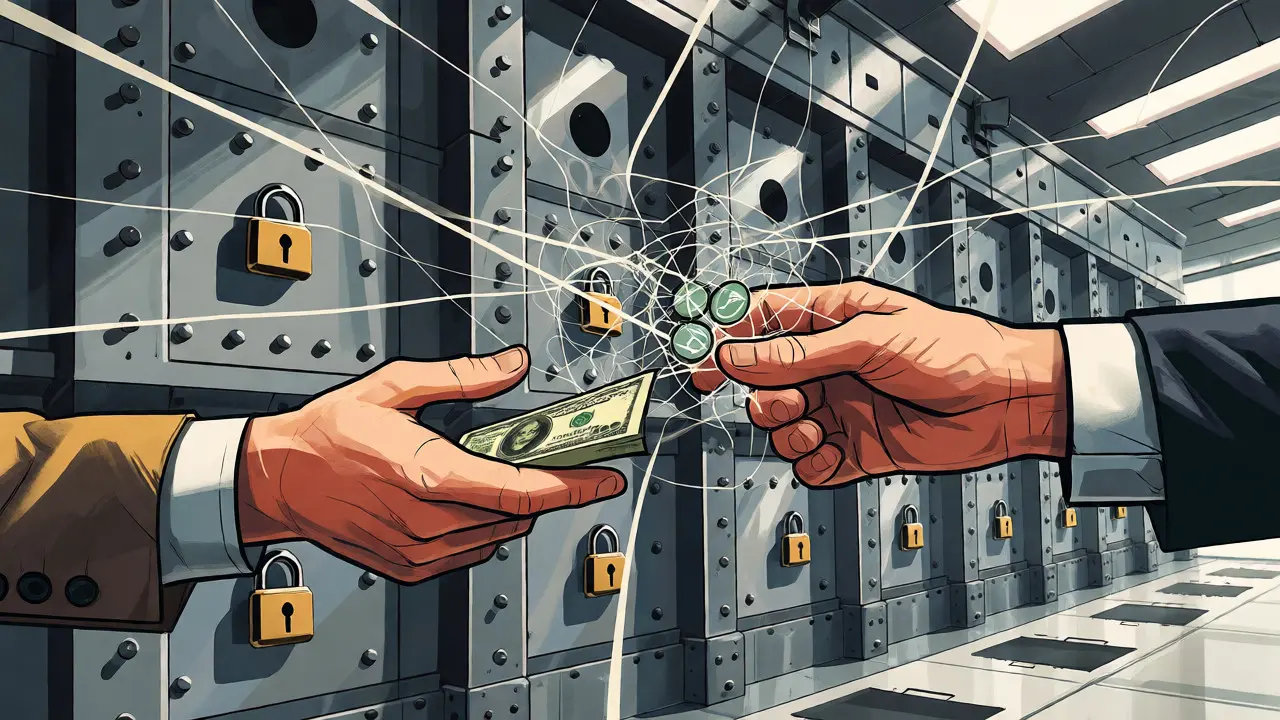
The biggest hurdle for Tunisian traders isn’t finding a buyer; it’s getting fiat out. Tunisian banks automatically block withdrawals linked to known crypto exchanges. If you try to withdraw USD to your card after selling on an international platform, the transaction often fails or gets flagged. This forces traders to get creative.
Many resort to complex chains of transfers. For example, a trader might sell Bitcoin for USDT, then swap that USDT for a stablecoin accepted by a local merchant, or use a friend abroad to receive the funds and send back local currency via informal networks. This friction adds time and cost to every trade, but it bypasses the automated filters of the banking system.
| Method | Risk Level | Speed | Liquidity |
|---|---|---|---|
| Binance P2P | Medium (Bank flags possible) | Fast | High |
| Direct Cash Deals | Low (No bank trail) | Slow | Low |
| International Exchanges (via VPN) | High (Account freezes) | Instant | Very High |
Legal Risks and Enforcement Reality
Don’t let the thriving market fool you-the enforcement arm of the Tunisian state is active. Banks monitor transactions closely. If a pattern emerges that looks like crypto arbitrage, your account can be frozen pending investigation. You might have to prove the source of funds, which is tough when the activity itself is technically illegal.
Anti-Money Laundering (AML) rules play a huge role here. Financial institutions must perform Customer Due Diligence (CDD). If you are flagged as a high-risk client due to frequent irregular transfers, Enhanced Due Diligence (EDD) kicks in. This involves digging deep into your financial history. For politically exposed persons (PEPs), the scrutiny is even higher.
While imprisonment is rare for casual investors, it is real for those operating businesses. The 2021 case of a jailed teenager highlighted that ignorance of the law offers no protection. Authorities view unauthorized exchange operations as threats to monetary sovereignty. Therefore, most traders keep their volumes modest to stay under the radar.
The Brain Drain Effect
One unintended consequence of the ban is talent migration. Skilled developers and entrepreneurs who want to work in Web3 often leave Tunisia. Countries like Canada and Switzerland offer legal frameworks that protect investors and encourage innovation. When these professionals emigrate, Tunisia loses potential tax revenue and technological advancement.
Those who stay often pivot to blockchain applications that don’t involve trading tokens. Supply chain management, secure voting systems, and identity verification are areas where local firms can innovate without breaking the crypto ban. This shift shows adaptability, but it also means the country misses out on the full economic potential of decentralized finance.
Future Outlook: Will the Ban Lift?
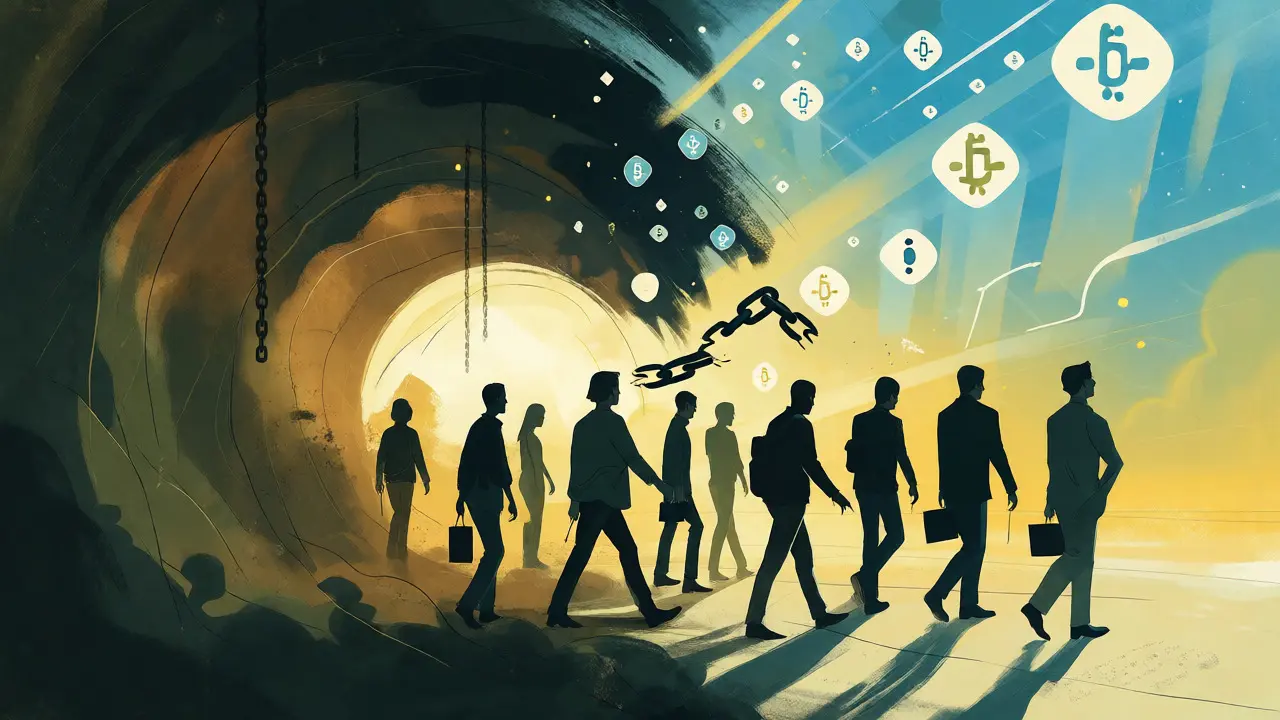
Is there light at the end of the tunnel? Possibly. Parliamentary committees have discussed draft bills to decriminalize crypto possession and introduce licensing regimes. The Central Bank is also researching a Central Bank Digital Currency (CBDC). A CBDC would allow the state to control digital money while still banning decentralized alternatives like Bitcoin.
However, change is slow. The current stance remains cautious. Until new laws pass, the underground market will continue to grow. The sheer volume of trades on P2P platforms suggests that demand outweighs fear. As long as people see value in holding hard assets against inflation, the black market for crypto in Tunisia will remain resilient.
Frequently Asked Questions
Is it illegal to own Bitcoin in Tunisia?
Yes, effectively. The Central Bank of Tunisia banned all cryptocurrency transactions in 2018. While holding alone might not always lead to arrest, buying, selling, or exchanging crypto is considered a violation of banking laws and can result in fines or account freezes.
Which platforms do Tunisians use to trade crypto?
Most traders use Peer-to-Peer (P2P) platforms like Binance P2P. They connect directly with other users to buy and sell crypto using local bank transfers or cash, bypassing the need for a licensed local exchange.
Can I withdraw crypto profits to my Tunisian bank account?
It is difficult. Banks often block direct withdrawals from international crypto exchanges. Traders usually convert crypto to stablecoins and then use P2P methods to receive Tunisian Dinars via local bank transfers or cash deals.
Why does Tunisia ban crypto if it supports blockchain?
The government distinguishes between blockchain technology (which they support for things like supply chains) and decentralized cryptocurrencies (which they ban). They fear crypto causes capital flight and undermines the Tunisian Dinar's stability.
What happens if my bank detects crypto transactions?
Your account may be frozen, and you could face an investigation. You might be asked to provide proof of income sources. In severe cases, especially for business operators, legal action including fines or imprisonment is possible.