What is Metaverse HQ (HQ) Token? A Deep Dive into Risks, Utility, and Reality
 Jun, 13 2026
You’ve probably seen the ticker HQ flash across your screen or heard whispers in Discord channels about "Metaverse HQ." It promises a futuristic blend of AI, gaming, and rewards. But before you connect your wallet, you need to know exactly what you’re looking at. This isn’t just another meme coin chasing hype; it’s a specific utility token with a very niche history and some serious red flags that every investor needs to understand.
As of mid-2026, Metaverse HQ sits in a precarious position. It launched as an NFT-gated community for whales and evolved into an ERC-20 token on Ethereum. While the concept of an "AI-enhanced questing protocol" sounds innovative, the reality involves extreme volatility, low liquidity, and high centralization. Let’s break down the facts, the tech, and the risks so you can decide if this tiny sliver of the crypto market belongs in your portfolio.
The Origin Story: From Whales to Quests
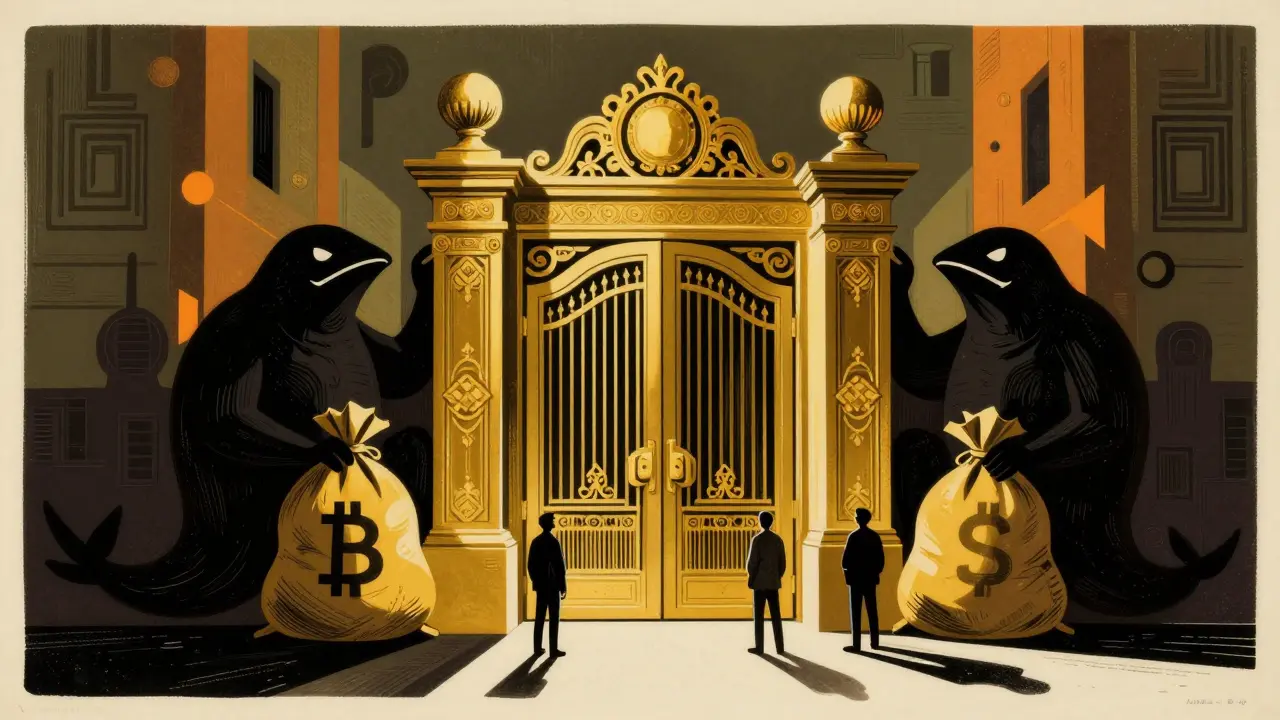
To understand where Metaverse HQ is going, you have to look at where it started. The project didn’t begin as a public token. In 2021, the founders built an exclusive, NFT-gated community designed specifically for crypto "whales" and power users. Think of it like a private club where entry required holding a specific digital asset.
This early focus helped them build a foundation. By the time they introduced the native HQ token, they had already facilitated over $3 billion in NFT trading volume and distributed roughly $30 million in rewards through more than 500 partnerships. That’s a solid track record for a community builder. However, transitioning from a closed community tool to a public cryptocurrency is a massive leap, one that many projects fail to survive.
What Does the HQ Token Actually Do?
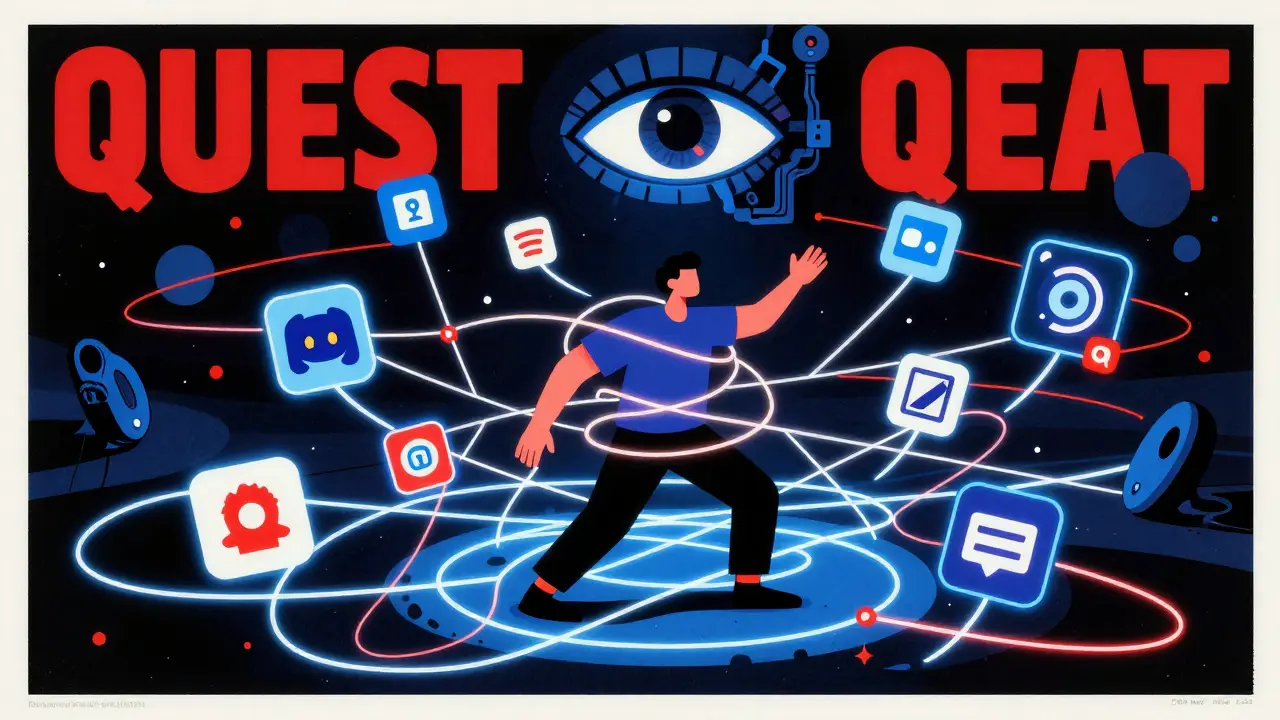
If you buy HQ, what are you buying access to? The project positions itself as the first "AI Enhanced Questing and Rewards Protocol." In plain English, this means it tries to bridge the gap between boring blockchain tasks and fun user engagement.
Here is how the utility breaks down:
- Quest Incentives: Users complete tasks-like joining a Discord, trying a new DeFi app, or playing a game-and earn HQ tokens. The AI component supposedly tailors these quests to keep users engaged longer.
- Reward Distribution: Instead of projects handing out random airdrops, they use the HQ ecosystem to distribute rewards systematically.
- Ecosystem Access: Holding the token grants access to specific NFT communities and whitelists within their network.
The goal is to make Web3 less intimidating for regular consumers. But does the current infrastructure support that vision? The data suggests there is still a long way to go.
Technical Specs and Market Reality
Let’s look at the hard numbers. These metrics tell the real story of a token’s health, far more than marketing brochures do.
| Attribute | Value / Detail |
|---|---|
| Blockchain | Ethereum (ERC-20) |
| Total Supply | 1,000,000,000 HQ |
| Circulating Supply | ~74-100 Million (approx. 7.4-10%) |
| All-Time High | $2.00 (Jan 27, 2025) |
| Recent Price Range | $0.0005 - $0.0011 (Highly Volatile) |
| Market Cap Rank | #4465 - #5444 (Micro-cap) |
| Contract Address | 0xde6AcEAF7F2dCEB3d425643C5F85351f2B38FcdE |
Notice the price drop. The token hit $2.00 in January 2025 and crashed by nearly 99.6% by March 2025. As of late 2025 and into 2026, it has been hovering in the fractions of a cent. This is classic "penny crypto" behavior. The market capitalization is microscopic, ranging from $42K to $112K depending on which exchange you check. For context, major competitors in the questing space, like LayerZero (ZRO), have market caps in the billions. HQ is operating in a different universe entirely.
The Liquidity Trap: Why You Might Not Be Able to Sell
This is the most critical section for any potential buyer. Liquidity refers to how easily you can buy or sell an asset without affecting its price. Metaverse HQ suffers from severe liquidity issues.
In October 2025, daily trading volumes were reported between $5,600 and $287,000. When compared to its market cap, the volume-to-market-cap ratio was a concerning 1.27%. What does this mean for you? If you try to sell a significant amount of HQ tokens, you could crash the price yourself because there aren’t enough buyers waiting on the other side. Anonymous analysts on Reddit have flagged this as a sign of potential manipulation or simply a lack of genuine interest.
Furthermore, the token is highly centralized. Data from Etherscan shows that 62% of all HQ tokens are held by the top 10 wallets. This concentration of power means a few "whales" can dictate the price. If one of those large holders decides to dump their bags, the price could vanish overnight. There is no institutional safety net here.
User Experience: The Good and The Bad
Is the platform actually usable? On paper, yes. The web interface at app.mvhq.io connects easily with MetaMask or Trust Wallet. Basic setup takes about 15 minutes. However, maximizing rewards requires a steep learning curve. Experienced users report spending around 40 hours just to master the AI quest generator effectively.
User sentiment is polarized. On Trustpilot, the platform holds a respectable 4.2/5 rating, with users praising the "exclusive whitelist opportunities." But dig deeper into Reddit and Discord, and the complaints emerge. Users have reported failed withdrawals during network congestion and issues claiming rewards from completed quests. One common complaint is the complexity of the reward claim process, which often involves paying Ethereum gas fees that can range from $1.20 to $15.75 per transaction. For a token worth fractions of a penny, paying $15 in gas fees makes economic sense only if you are earning substantial rewards-a promise that remains unproven for the average user.

Future Outlook: Starknet Integration and Regulatory Risks
Metaverse HQ isn’t sitting still. Their roadmap includes a major integration with Starknet, a Layer 2 scaling solution for Ethereum, scheduled for Q1 2026. This move aims to solve the high gas fee problem mentioned earlier. If successful, it could lower barriers to entry and improve user experience significantly.
However, regulatory headwinds are strong. The SEC’s guidance in late 2025 placed heightened scrutiny on "reward tokens," suggesting they might be classified as securities under the Howey Test. Legal experts warn that quest-based tokens face uncertain futures in the US market. Additionally, analysts at Messari have warned that unless MVHQ achieves a 10x growth in its user base by mid-2026, it faces delisting risk from major exchanges due to insufficient liquidity. Currently, active monthly users sit at a mere 2,347.
Who Is This Token For?
Let’s be clear about who should consider Metaverse HQ and who should avoid it.
Avoid if:
- You are a conservative investor looking for stability.
- You cannot afford to lose 100% of your investment.
- You dislike dealing with complex DeFi interfaces and gas fees.
- You want high liquidity to exit positions quickly.
Consider if:
- You are a degenerate gambler who enjoys high-risk, high-reward micro-caps.
- You are deeply embedded in the NFT community and value the specific whitelists MVHQ offers.
- You believe strongly in the long-term thesis of AI-driven Web3 engagement and are willing to wait years for potential adoption.
Metaverse HQ is not a mainstream investment. It is a speculative bet on a niche protocol that hasn’t yet proven its scalability or sustainability. Treat it with extreme caution.
Is Metaverse HQ (HQ) a scam?
There is no definitive proof that Metaverse HQ is a scam, as it has delivered on past promises regarding NFT distribution and community building. However, it exhibits several high-risk characteristics common in fraudulent schemes, such as extreme centralization (top 10 wallets hold 62% of supply), low liquidity, and anonymous team structures. Always verify contract addresses and never invest more than you can afford to lose.
What is the total supply of HQ tokens?
The maximum total supply of Metaverse HQ tokens is 1,000,000,000 (1 billion). As of late 2025, approximately 74 to 100 million tokens were in circulation, meaning the majority of the supply is likely locked, reserved for future incentives, or held by the team and early investors.
How do I buy Metaverse HQ?
HQ is an ERC-20 token on the Ethereum network. You typically cannot buy it directly with fiat currency on major exchanges like Coinbase. Instead, you must purchase Ethereum (ETH) and swap it for HQ on decentralized exchanges (DEXs) like Uniswap or through smaller centralized exchanges that list it (such as Gate.com or BitMart). Ensure you use the correct contract address: 0xde6AcEAF7F2dCEB3d425643C5F85351f2B38FcdE.
Why did the HQ token price drop so much?
The token experienced a 99.6% decline from its all-time high of $2.00 in January 2025. This crash was driven by broader market corrections, a lack of sustained utility demand, and low liquidity. Micro-cap tokens like HQ are highly susceptible to whale movements and general market sentiment shifts, leading to extreme volatility.
What is the Starknet integration?
Metaverse HQ plans to integrate with Starknet, a Layer 2 scaling solution for Ethereum, in Q1 2026. This upgrade aims to reduce transaction costs (gas fees) and increase speed, addressing one of the primary criticisms of using the HQ protocol on the main Ethereum network.