What is Paco (PACO) Crypto Coin? A Deep Dive into the Dead Meme Token
 Jul, 19 2026
You’ve probably seen it on a list of obscure tokens or stumbled upon the ticker PACO while scrolling through decentralized exchange charts. It promises something whimsical: a cryptocurrency made entirely by penguins, with zero human involvement. But if you are looking for the next Dogecoin or Shiba Inu, you might want to stop right there. The reality behind Paco (PACO) is far less charming and significantly more dangerous for your wallet.
Paco is not a serious investment vehicle. It is a satirical meme coin that has effectively died out in the broader market. As of late 2025 and early 2026, data shows it trading with near-zero volume, a microscopic market cap, and no active development team. This article breaks down exactly what PACO is, why it exists, and whether there is any reason to hold it-or if you should run for the hills.
The Origin Story: A Penguin’s Basement Project
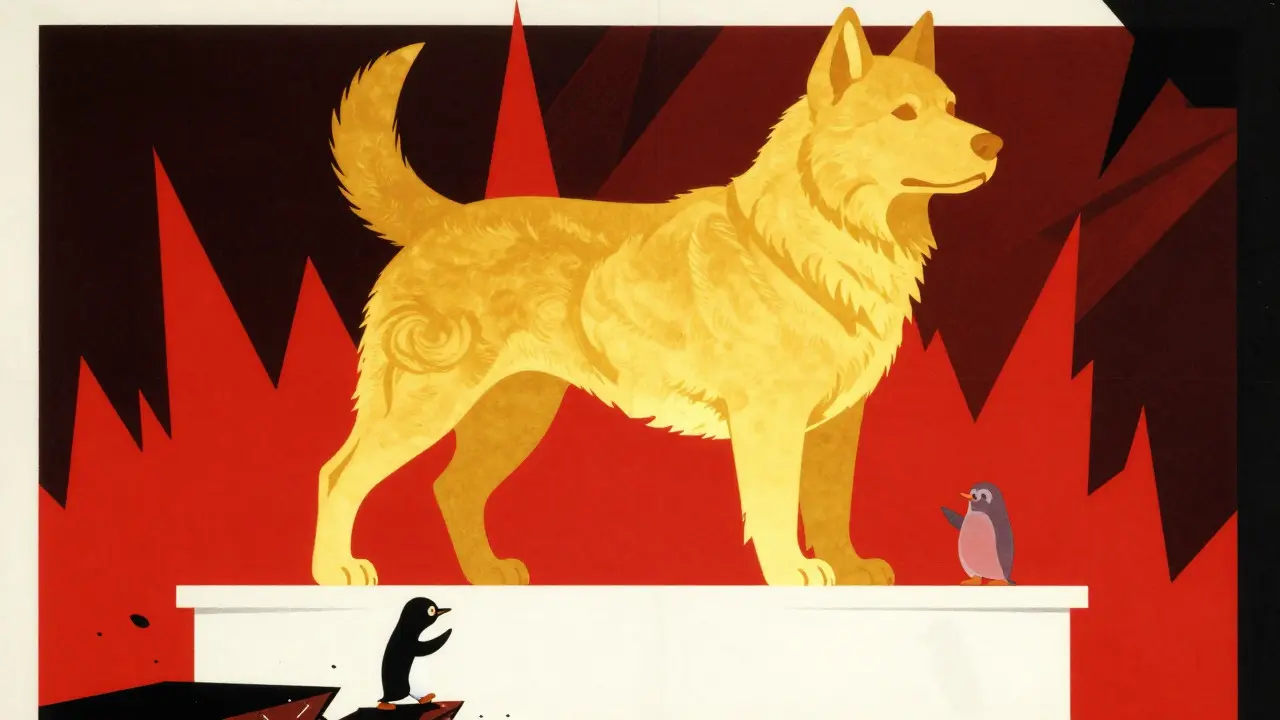
To understand why PACO behaves the way it does, you have to look at its origins. Unlike Bitcoin, which was born from a whitepaper addressing financial trust issues, or Ethereum, which aimed to create a programmable blockchain, PACO was created as a joke. According to its official listing descriptions on major aggregators like CoinMarketCap, the project claims to be "100% penguin-made."
The narrative states that the token was conceived in "Paco's basement" purely for amusement and dreams of world domination. There is no corporate entity behind it. There are no engineers writing code. There is no roadmap. The description explicitly notes that the coin serves no real purpose other than keeping the fictional character Paco entertained. It is a parody of the hype-driven nature of meme coins, but without the backing of a massive community to sustain that hype.
This lack of substance is the defining characteristic of the token. In the crypto world, value usually comes from one of three things: utility (you can use it), scarcity (there isn't much of it), or consensus (everyone believes it has value). PACO has none of these. It relies entirely on novelty, and that novelty has worn off quickly.
Technical Reality: Where Does PACO Live?
If you try to find PACO, you will likely encounter confusion. The ticker symbol "PACO" is shared by multiple unrelated tokens across different blockchains, a common issue in the unregulated crypto space. However, the most prominent version associated with the "penguin" narrative operates primarily on the PulseChain network.
Data from October 2025 shows trading pairs like PACO/PLS and PACO/DAI on the PulseX v2 decentralized exchange (DEX). There are also references to a variant on the Solana blockchain, though this appears to be a separate, equally dormant token. The fragmentation creates significant risk for investors who might accidentally buy the wrong contract address.
From a technical standpoint, the token lacks basic safeguards. There are no public smart contract audits. There is no GitHub repository showing developer activity. Without an audit, you cannot verify if the contract contains malicious code, such as hidden taxes on transactions or functions that allow the creator to freeze wallets. While the "no humans involved" claim suggests there is no one to scam you, it also means there is no one to fix bugs or manage liquidity.
Market Performance: The Numbers Don’t Lie
Let’s look at the hard data. When evaluating a cryptocurrency, market capitalization and trading volume are your best indicators of health. For PACO, these metrics paint a picture of abandonment.
As of late 2025, the market capitalization of the primary PACO token hovered around $17,000 USD. To put that in perspective, Dogecoin had a market cap exceeding $15 billion at the same time. That means Dogecoin is roughly 899,000 times larger than PACO. Even compared to other low-tier meme coins, PACO ranks below 99.5% of all cryptocurrencies.
| Token | Market Cap (USD) | 24h Volume (USD) | Primary Chain | Status |
|---|---|---|---|---|
| Dogecoin (DOGE) | $15.3 Billion | $2.1 Billion | Dogecoin Chain | Active / Blue Chip |
| Shiba Inu (SHIB) | $9.8 Billion | $400 Million+ | Ethereum | Active / High Liquidity |
| Paco (PACO) | $17,020 | $0 - $24 | PulseChain / Solana | Dormant / Illiquid |
The trading volume is even more concerning. On major aggregators like CoinMarketCap, the 24-hour volume often sits at $0. On smaller DEXs like PulseX, you might see a few dollars traded per day. This indicates extreme illiquidity. If you tried to sell $100 worth of PACO, you could crash the price by 50% or more because there simply aren't enough buyers in the order book to absorb your sale.
Liquidity Traps: Why You Can’t Sell
The biggest danger with a coin like PACO isn't just that the price goes down; it's that you might not be able to exit your position at all. This is known as a liquidity trap.
LiveCoinWatch data from October 2025 showed a market depth of only about $31 within a 2% price range. This means if you wanted to buy or sell any significant amount, you would slip heavily against the current price. Anonymous users on PulseChain Telegram channels reported trying to sell small amounts ($5-$10) and finding no buyers for days.
For a retail investor, this is a nightmare scenario. You might see the price on a chart go up slightly due to a single large buy, get excited, and then realize you cannot sell your tokens without losing half their value instantly. With no liquidity pool managers or market makers actively supporting the token, the price action is erratic and unreliable.
Community and Sentiment: Is Anyone Talking?
In the meme coin sector, community is king. Projects like Dogecoin survived and thrived because of massive social media engagement on Reddit, Twitter (now X), and TikTok. PACO has none of this.
Searches for "Paco cryptocurrency" on major forums like r/CryptoMoonShots or r/SatoshiStreetBets yield virtually no results. There are no active Discord servers or Telegram groups with thousands of members. The sentiment where it does exist is overwhelmingly negative. Users describe it as a "dead coin" and a "joke nobody is laughing at anymore."
Without a community to pump the price or defend the project during downturns, the token drifts toward zero. The Fear & Greed Index for the broader crypto market might be high, indicating greed among investors, but PACO remains isolated from this trend. Technical indicators on platforms like CoinCodex show neutral to bearish signals, reflecting a complete lack of buying pressure.

Risks and Red Flags
If you are considering interacting with PACO, here are the specific risks you need to weigh:
- Zero Utility: You cannot use PACO to pay for goods, services, or governance. It is purely speculative.
- No Development Team: There is no one to update the contract, fix bugs, or respond to security threats.
- Extreme Volatility: Due to low liquidity, tiny trades cause massive price swings. A $50 trade can move the price by 10-20%.
- Ticker Confusion: Multiple tokens use the PACO ticker. Ensure you have the correct contract address for the chain you are on, though even then, the asset is likely worthless.
- Regulatory Blind Spot: Because it is so small, it falls under the radar of regulators, meaning there is no recourse if something goes wrong with the smart contract.
Conclusion: Should You Buy PACO?
The short answer is no. Unless you are buying it strictly for entertainment purposes with money you are fully prepared to lose-like buying a lottery ticket-PACO offers no financial upside. It lacks the community, liquidity, and utility required to survive in the competitive crypto market.
For investors looking for meme coin exposure, established projects with billions in market cap and millions in daily volume offer safer (though still risky) entry points. For those interested in newer chains like PulseChain, there are many other tokens with active development teams and growing ecosystems. PACO remains a relic of a fleeting internet joke, stuck in a digital basement with no path to the surface.
Is Paco (PACO) a good investment?
No. PACO has a market cap of under $20,000 and near-zero trading volume. It lacks utility, a development team, and a community. It is considered a "dead" or dormant token with high risk of total loss due to illiquidity.
Which blockchain is PACO on?
The primary PACO token associated with the penguin meme narrative is on the PulseChain network. However, there are also variants on Solana and potentially other chains. Always verify the contract address, as the ticker is not unique.
Why is the PACO price so volatile?
The volatility is caused by extreme illiquidity. With very few tokens being traded daily, even small buy or sell orders can drastically change the price. This makes it difficult to predict price movements or exit positions safely.
Does PACO have a whitepaper or roadmap?
No. The project is described as a satire with no serious plans. There is no whitepaper, no technical documentation, and no roadmap for future development. It was created purely as a joke.
Can I sell my PACO tokens?
Technically yes, but practically it is very difficult. Due to low liquidity on decentralized exchanges like PulseX, you may face high slippage (losing value during the trade) or find no buyers at all, leaving your tokens stuck in your wallet.
Heather Austin
July 20, 2026 AT 05:57look i know everyone hates on dead coins but if you check the pulsechain explorer you can actually see the contract is still live its just that nobody is providing liquidity anymore so yeah its a ghost town but technically it exists which is kind of wild when you think about it
John Harman
July 20, 2026 AT 10:17You are completely missing the point here. The fact that there is no audit means anyone could have hidden a mint function or a blackhole address. It's not 'wild', it's negligent. If you're buying something with zero volume and no team, you're not investing, you're donating to whoever holds the private keys to the liquidity pool. Smart contracts aren't magic, they're code written by humans, even if they claim penguins did it.
Lisa Chong
July 21, 2026 AT 18:06It is obvious that this entire narrative is a distraction from the real financial collapse happening behind the scenes while we argue over digital penguin tokens the elites want us distracted by these silly memes so we do not notice they are stealing our pension funds through inflation and tax hikes it is all part of the great reset agenda to control our minds through absurdity and confusion why do we trust any blockchain when the banks are rigged anyway
Ran Tao
July 21, 2026 AT 20:52Lol imagine thinking PACO has any chance 🐧💀 I bought $5 worth just to say I held it before it went to absolute zero and now I feel like a genius for getting out early unlike some people who probably still hold bags of worthless dust on PulseChain 😂📉
Kristy Morrow
July 21, 2026 AT 23:49the value of money is an illusion constructed by society to keep us in a state of perpetual anxiety and labor why do we care if a coin is dead or alive when the concept of currency itself is a collective hallucination maintained by fear and greed paco is just a mirror reflecting our own emptiness back at us without judgment or expectation
Antony Lopez
July 23, 2026 AT 18:32Typical foreign garbage token trying to infiltrate our markets. We need strict regulations on these unregistered securities. In America, we have the SEC to protect investors from such scams, but these offshore chains operate in the shadows. Keep your money in USD or gold, not some penguin joke from a basement.
Kat Barr
July 24, 2026 AT 12:31I totally get why people are skeptical!! But hey, at least it’s fun to look at right?? Don’t be too hard on yourself if you lost a few bucks, it happens to the best of us! Just take a deep breath and remember that crypto is supposed to be exciting and adventurous sometimes 🌟✨ You’re doing great just by learning about it!