Wrapped Asset Custody and Trust: How It Works, Risks, and Who to Trust
 Jul, 9 2026
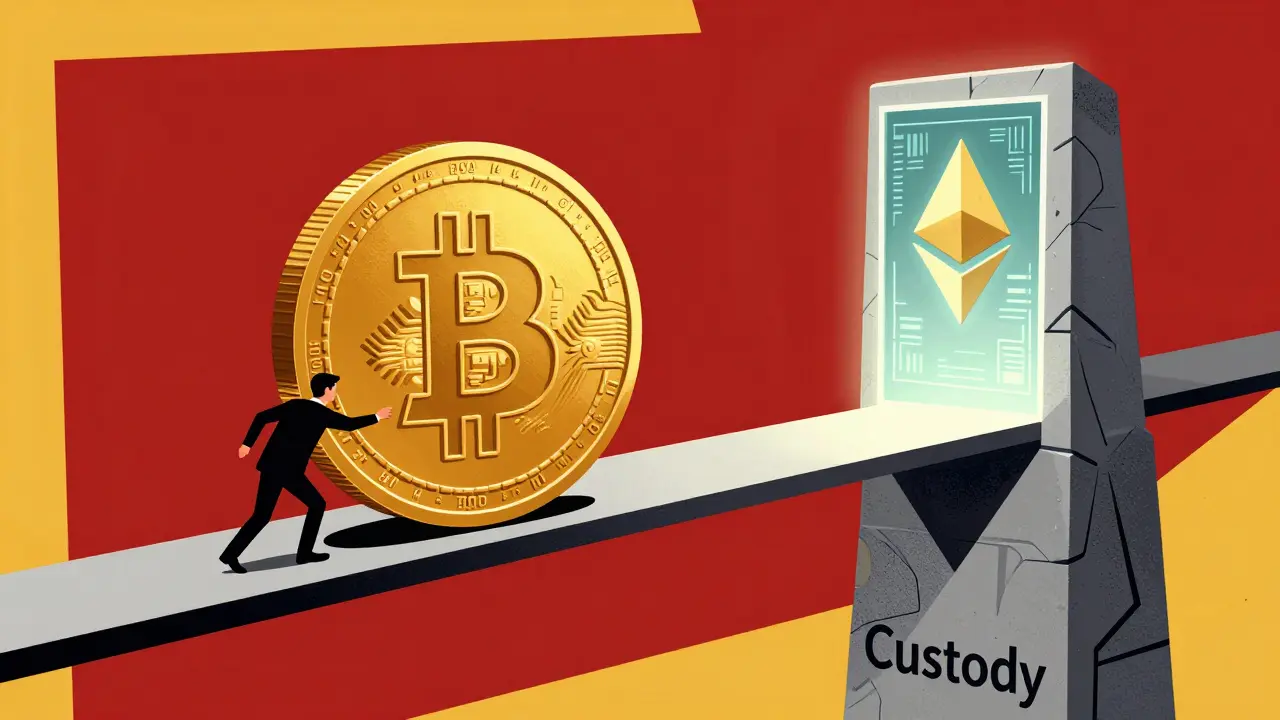
You have Bitcoin. You want to use it in Ethereum’s DeFi ecosystem to earn yield or borrow against it. But Bitcoin doesn’t speak Ethereum’s language. So, you wrap it. You send your BTC to a custodian, who locks it up and mints a token on Ethereum that represents your Bitcoin. This is wrapped asset custody, the backbone of cross-chain interoperability. It sounds simple. In practice, it introduces a massive single point of failure: trust.
When you hold native Bitcoin, you trust the code and the network. When you hold wrapped Bitcoin (WBTC), you trust a company, a group of signers, and a set of smart contracts. As of mid-2024, over $15 billion sits in these wrapped assets. If the trust breaks, the money vanishes. Here is how the system works, where the cracks are forming, and how to decide if you should take the risk.
The Mechanics of Wrapping: A Hybrid Trust Model
Wrapped assets are not magic. They are IOUs backed by real assets held in cold storage. The process relies on three distinct actors working in sequence:
- The User: Sends the underlying asset (e.g., BTC) to a designated address.
- The Custodian: Receives the funds, verifies them, and holds them in secure wallets (often multi-signature).
- The Merchant/Minter: A trusted entity authorized to mint the equivalent wrapped tokens on the target blockchain (e.g., ERC-20 tokens on Ethereum).
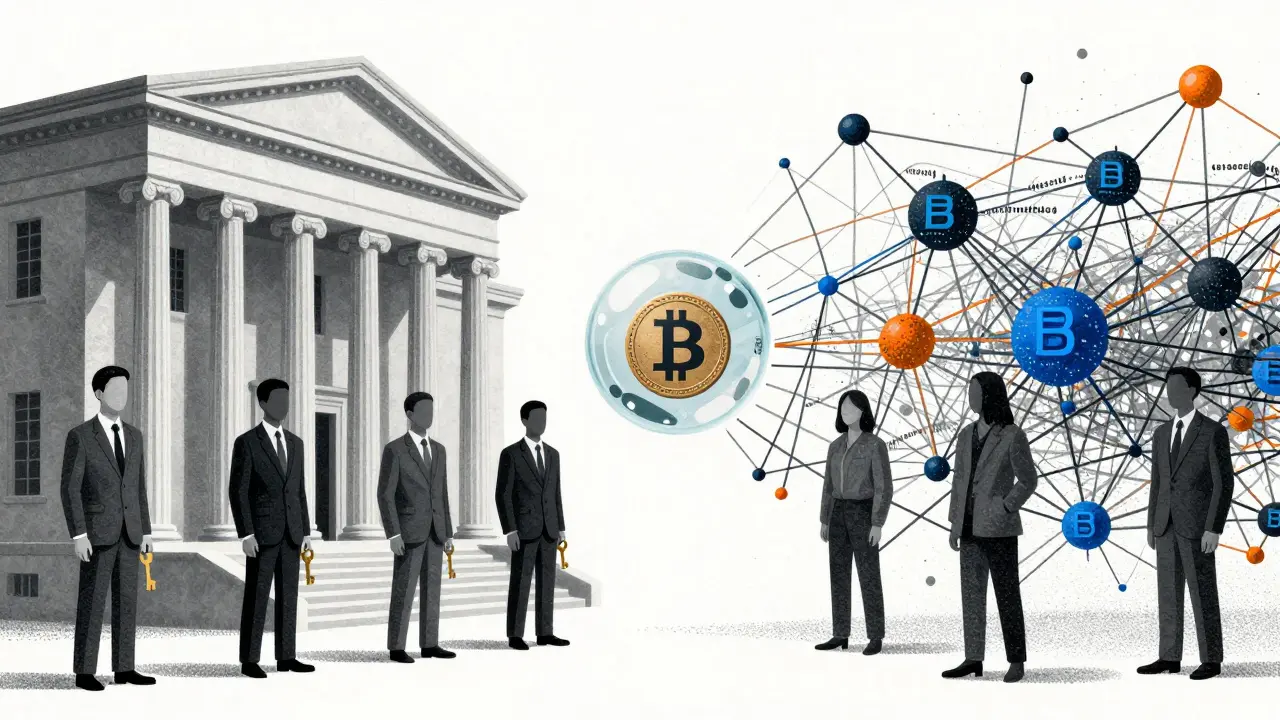
This creates a hybrid trust model. You get the cryptographic verification of the blockchain for the wrapped token, but you rely on institutional custodial practices for the backing asset. For example, Wrapped Bitcoin (WBTC) is managed by BitGo, Kyber Network, and Republic Protocol. BitGo acts as the custodian, holding the actual BTC in multi-sig cold storage. Armanino LLP, an accounting firm, provides monthly attestations to prove the reserves exist.
The goal is a strict 1:1 peg. One WBTC must always equal one BTC. If the custodian loses the BTC, or if the smart contract is hacked, that peg breaks. The value proposition here is interoperability-bridging isolated networks like Bitcoin and Ethereum-but the cost is centralization.
Custodial vs. Decentralized Models: The Trade-Offs
Not all wrapped assets are created equal. The market splits into two main camps: centralized custodial models and decentralized alternatives. Each has different risk profiles.
| Feature | Centralized (e.g., WBTC, cbBTC) | Decentralized (e.g., renBTC, THORChain) |
|---|---|---|
| Trust Assumption | High: Trust the custodian and signers | Low: Trust the code and economic incentives |
| Custody Method | Multi-sig wallets managed by institutions | Distributed nodes or threshold signatures |
| Regulatory Status | Often KYC/AML compliant; higher regulatory scrutiny | Permissionless; often unregulated |
| Liquidity | Very High (Dominates DEXs and Lending Protocols) | Moderate to Low |
| Primary Risk | Custodian insolvency or key compromise | Smart contract bugs or oracle manipulation |
| Market Share (Est.) | ~83% of wrapped volume | ~17% of wrapped volume |
Coinbase Wrapped Bitcoin (cbBTC) launched in February 2023 with a strong institutional angle. It offers FDIC-insured cash reserves for fiat holdings and integrates directly with Coinbase’s custody infrastructure. Within six months, it hit $1.2 billion in total value locked (TVL). Users chose it because they trusted Coinbase’s balance sheet more than anonymous developers.
In contrast, renBTC attempted a decentralized approach using renVM. It held about 12% market share before shutting down in March 2023 due to security concerns and lack of liquidity. While it offered less counterparty risk, it suffered from complexity and lower adoption. The lesson? Liquidity drives trust in DeFi, even if that trust is centralized.
The Hidden Costs: Slippage, Fees, and Time
Wrapping isn’t free, nor is it instant. When you convert BTC to WBTC, you pay transaction fees on both the Bitcoin network and the Ethereum network. On top of that, you face slippage.
Data from Token Terminal shows average cross-chain slippage on Ethereum hovers around 0.87%. That means if you wrap $10,000 worth of BTC, you might effectively lose $87 in value during the conversion process due to price movement and fee structures. Additionally, wrapping times vary. Dune Analytics data indicates WBTC takes 15-30 minutes on average to mint after confirmation. During high network congestion, this can stretch to hours.
Gas costs also differ wildly depending on the target chain. Minting on Ethereum might cost $1.27 in gas, while doing the same on Polygon could cost $0.03. However, moving the asset back out (unwrapping) requires burning the token and releasing the BTC, which involves another round of fees and waiting periods. These frictions matter if you are trading actively, but they are negligible for long-term holders.
Security Failures: What Happens When Trust Breaks?
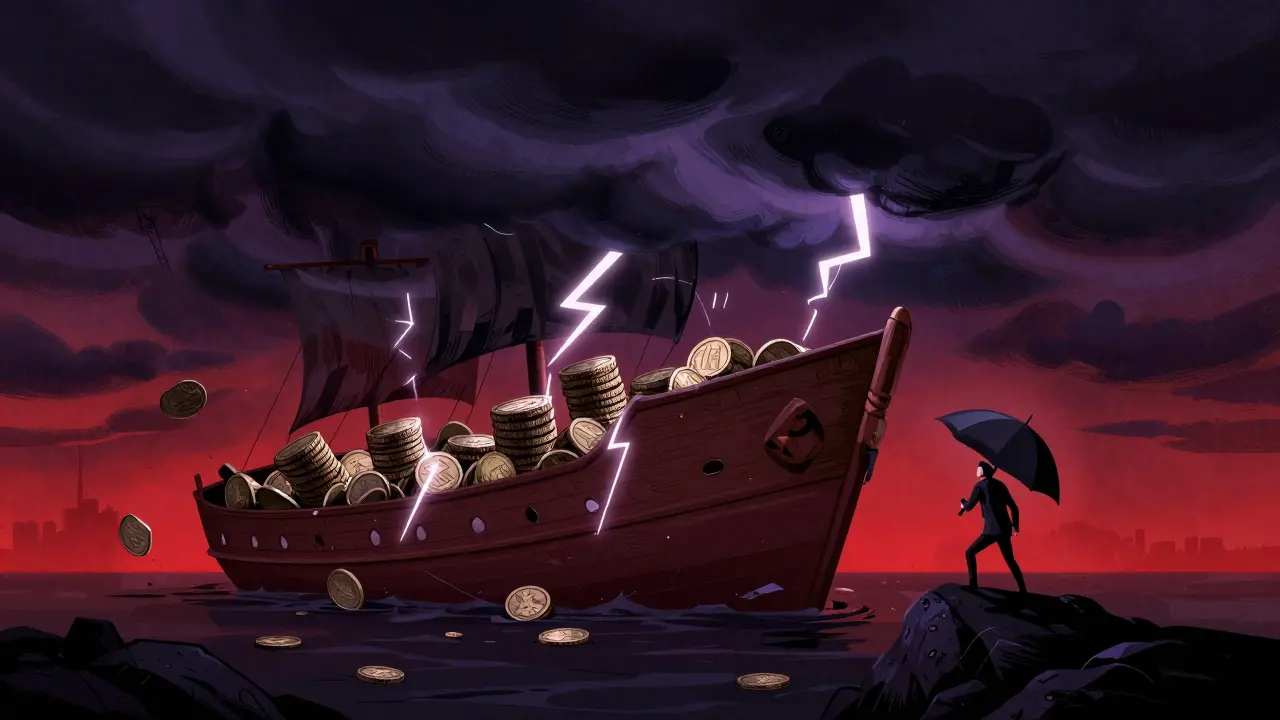
The biggest argument against wrapped assets is the track record of hacks. Between 2020 and 2024, Chainalysis reported that $2.8 billion was stolen from cross-chain bridges and wrapped asset protocols. These aren’t theoretical risks; they are historical facts.
Consider the Multichain collapse in July 2023. A critical vulnerability allowed attackers to drain $325 million. Multichain was a major bridge for wrapped assets. When it halted operations, users were left stranded. Or look at the Harmony Horizon Bridge hack in June 2022, where $650 million was lost due to failed custodial controls that allowed unauthorized minting.
Even without hacks, operational failures occur. In April 2024, RenBridge halted withdrawals during a market crash, leaving users unable to access their funds. One Reddit user noted losing $12,000 in opportunity cost and stress during that period. These events highlight a crucial point: when you wrap an asset, you surrender control. If the custodian freezes, gets hacked, or goes bankrupt, you cannot simply “move” your coins. You are dependent on their ability to perform.
Regulatory Headwinds: Is Your Wrapped Asset a Security?
The legal landscape is shifting fast. In June 2024, the SEC charged BitGo with operating an unregistered securities offering regarding WBTC. This wasn’t just a warning shot; it established a precedent that wrapped tokens might be classified as securities under the Howey Test.
Why does this matter to you? If WBTC is a security, only accredited investors might be able to trade it legally in the US. Exchanges could delist it. Custodians might impose stricter KYC requirements. PwC’s 2024 survey found that 68% of institutions cite regulatory uncertainty as their top barrier to adopting wrapped assets.
Meanwhile, the EU’s MiCA regulation, fully implemented in June 2025, requires custodians to hold 130% capital reserves. This aims to protect consumers but increases operational costs, which may be passed down to users via higher fees. For retail users, this means the “wild west” era of permissionless wrapping is ending. Expect more friction, more documentation, and fewer options.
Who Should Use Wrapped Assets?
Should you wrap your crypto? It depends on your goals and risk tolerance.
- Institutional Investors: Likely yes. cbBTC and similar products offer insured custody, regulatory compliance, and deep liquidity. The trust in the brand outweighs the decentralization purism.
- DeFi Power Users: Maybe. If you need to provide liquidity on Uniswap or borrow against BTC on Aave, WBTC is still the standard. The liquidity depth makes it practical despite the centralization risk. Diversify across multiple wrappers if possible.
- Retail Holders: Probably no. If you are just holding Bitcoin for the long term, keep it native. The extra yield from DeFi rarely compensates for the counterparty risk of a custodian failing. Native assets are safer.
Dr. Gavin Andresen, former Bitcoin Core lead developer, called custodial wrapped assets a “necessary evil.” He’s right. They enable innovation, but they concentrate risk. As we move toward 2026, hybrid models and decentralized bridges like Chainflip are gaining traction, but they haven’t yet matched the liquidity of centralized giants.
Best Practices for Managing Wrapped Asset Risk
If you decide to use wrapped assets, follow these rules to minimize exposure:
- Verify Attestations: Check if the custodian publishes regular third-party audits. WBTC uses Armanino LLP. cbBTC relies on Coinbase’s public reserve reports. Don’t trust projects that hide their reserve data.
- Diversify Custodians: Don’t put all your wrapped eggs in one basket. If you use multiple DeFi protocols, consider using different wrapped versions (e.g., WBTC on Ethereum, tBTC on Arbitrum) to spread counterparty risk.
- Monitor Smart Contract Audits: Look for recent audits from firms like Trail of Bits or OpenZeppelin. Trail of Bits identified 14 critical vulnerabilities in major bridge implementations in early 2024. Fresh audits matter.
- Understand the Exit Route: Before wrapping, know how to unwrap. Is there a fee? How long does it take? Can you do it during a crisis? Test the process with a small amount first.
- Watch Regulatory News: Stay updated on SEC actions and global regulations. A sudden classification change can freeze your assets overnight.
What happens if a wrapped asset custodian goes bankrupt?
If the custodian holds the underlying assets in segregated, multi-signature cold storage (like BitGo does for WBTC), your wrapped tokens should remain valid. The bankruptcy would affect the custodian’s own balance sheet, not the client assets. However, if the assets were commingled or mismanaged, you could become an unsecured creditor. Always check if the custodian uses segregated accounts and has insurance coverage.
Is WBTC safe to use in 2026?
WBTC remains the most liquid wrapped Bitcoin, but it carries significant centralization and regulatory risk. The SEC’s 2024 action against BitGo highlights ongoing legal uncertainty. For large positions, consider diversified approaches or newer institutional-grade alternatives like cbBTC, which may offer better regulatory clarity and insured custody features.
How do I verify that my wrapped asset is fully backed?
Look for monthly or quarterly attestation reports from independent accounting firms. For WBTC, Armanino LLP publishes these. For cbBTC, Coinbase provides regular proof-of-reserves updates. You can also monitor on-chain dashboards like DeFi Llama or Dune Analytics to compare circulating supply with reported reserves. Never rely solely on the project’s marketing claims.
What is the difference between a bridge and a wrapped asset?
A bridge is the technology that moves assets between chains. A wrapped asset is the result of that process-a token on Chain B representing an asset locked on Chain A. Some bridges are custodial (like WBTC), where a company holds the original asset. Others are decentralized (like THORChain), where code and economic incentives manage the lock-up. All wrapped assets require some form of bridge mechanism, but not all bridges create wrapped tokens (some swap directly).
Will decentralized wrapped assets replace centralized ones?
Eventually, perhaps. Decentralized models reduce counterparty risk but currently suffer from lower liquidity and higher complexity. JPMorgan projects custodial models will hold 60-70% market share through 2030 due to institutional demand. However, as decentralized bridges mature and regulatory pressure on centralized custodians increases, the balance may shift. For now, centralized wrappers dominate because they work seamlessly with existing DeFi infrastructure.
KEITH WONG
July 10, 2026 AT 15:28look i get the hype but trusting a corp with my btc is wild 😬 why do we keep doing this to ourselves when native is king 👑 just hodl and chill
Natalie Lucas
July 12, 2026 AT 04:59hey guys! so i was reading this and its kinda scary how much money is out there in these wrapped assets 🤯 like $15 billion?! thats insane. i mean sure the yields are tempting but the risk of losing it all if the custodian goes under or gets hacked is just too high for me personally. i tried wrapping some eth once and the fees were brutal plus it took forever to confirm. honestly im just gonna stick to my native coins for now cause sleeping well at night is worth more than 5% apy right? let us know if anyone has had good luck with decentralized options though!
Curtis Johnson
July 12, 2026 AT 07:05i feel ya on the fear side of things but we gotta look at the bigger picture here... liquidity is everything in defi and without wrapped assets half the protocols wouldnt even exist. its not about being perfect its about finding that balance between trust and utility. maybe we can push for better audits and transparency instead of just throwing our hands up and going native? lets work together to make the ecosystem safer rather than abandoning ship entirely
Steven Briggs
July 13, 2026 AT 20:35yeah i see your point but the centralization risk is real and ignoring it feels dangerous to me. i prefer keeping my keys and my coins separate from any third party whenever possible
Hamza k
July 14, 2026 AT 22:15the sheer audacity of calling centralized custodians 'trustworthy' is making my head spin! its a house of cards waiting for a stiff breeze to topple it over completely. we are dancing on the edge of a volcano while pretending its a picnic basket. wake up people before the rug pull comes for everyone involved in this circus act
Jackie D
July 15, 2026 AT 19:26im curious about the regulatory angle mentioned in the post because it seems like the SEC is really cracking down hard on these wrappers lately. does anyone else think this will force more innovation in decentralized bridges or will it just kill off the smaller players leaving only the big corps standing? i wonder if the average user even realizes how much their access depends on these legal battles playing out behind the scenes. it feels like we are watching history unfold in slow motion and most folks are too busy chasing yield to notice the ground shifting beneath their feet