Lykke Exchange Review: The Rise and Fall of a Zero-Fee Crypto Platform
 Nov, 19 2026
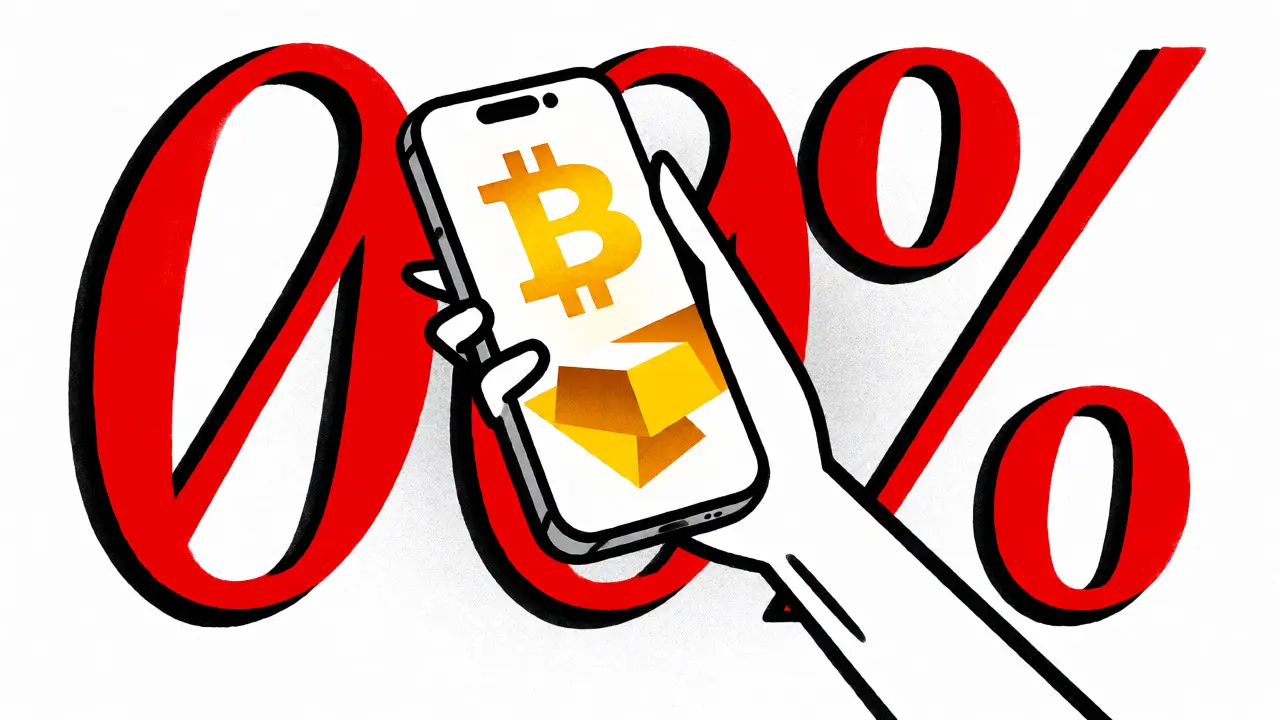
Imagine putting your hard-earned Bitcoin into an exchange that promises to charge you absolutely nothing for every trade. Sounds too good to be true? That was the pitch from Lykke Exchange, a Swiss-based cryptocurrency platform founded in 2015 by Forex veteran Richard Olsen. For years, it attracted traders with its bold claim of zero commission fees and a sleek mobile interface. But if you’re looking at Lykke today, you’ll find a cautionary tale rather than a viable trading destination. As of late 2024, the exchange is effectively defunct, following a devastating cyberattack that drained nearly $20 million and led to its insolvency. This review breaks down what made Lykke unique, why it failed, and what lessons current and future investors should take away from its collapse.
What Was Lykke Exchange?
Lykke Exchange wasn’t just another crypto broker; it positioned itself as a global marketplace for financial assets. Founded in Switzerland, it leveraged the reputation of its founder, Richard Olsen, who had decades of experience in the Forex industry. The platform offered a hybrid model that allowed users to trade cryptocurrencies, fiat currencies like USD and EUR, and even digital representations of precious metals such as gold and silver. This multi-asset approach was rare among competitors who typically stuck to crypto-only pairs.
The core appeal lay in its aggressive pricing strategy. While major players like Binance or Coinbase charged between 0.1% and 0.5% per transaction, Lykke advertised a flat 0% fee for both makers and takers. This was a massive draw for high-frequency traders and those testing strategies without worrying about eroding profits through commissions. Additionally, the platform integrated a proprietary ecosystem including the Lykke Wallet and various portfolio management tools using their service token, LyCI. On paper, it looked like a robust, user-friendly alternative to the giants of the industry.
The Allure of Zero Fees and Multi-Asset Trading
Why did people flock to Lykke despite it being a smaller player? The answer is simple economics and convenience. In the world of crypto trading, fees add up quickly. If you are executing hundreds of trades a month, even a small percentage cut can eat significantly into your returns. Lykke’s zero-commission model removed this barrier entirely. Furthermore, the ability to hold and trade digital gold alongside Bitcoin provided a hedge against volatility that many other exchanges didn’t offer natively.
The user experience was also designed to be accessible. The mobile app received praise for its clean design and intuitive navigation, making it suitable for beginners who might feel overwhelmed by complex trading dashboards. Withdrawal fees were competitive, with Bitcoin withdrawals costing only 0.0005 BTC, which was below the industry average at the time. Fiat withdrawals were free, further sweetening the deal for users moving money back to their bank accounts. However, these benefits came with hidden costs that weren’t immediately obvious on the price tag.
Liquidity Issues and Spread Disadvantages
Here is where the "free" lunch started to taste bitter. While Lykke didn’t charge explicit trading fees, they compensated for this by maintaining wider spreads. A spread is the difference between the buy and sell price of an asset. When liquidity-the amount of available buyers and sellers-is low, spreads widen. Because Lykke had a much smaller user base compared to titans like Binance (which processed billions daily), its order books were thinner.
For casual traders, this might have been negligible. But for active traders, the wide spreads meant you were essentially paying a hidden fee every time you entered or exited a position. During periods of market volatility, these spreads could balloon, making execution prices significantly worse than on more liquid platforms. Industry analyses from 2023 noted that while Lykke’s nominal fees were superior, the effective cost of trading often negated this advantage due to poor liquidity depth. It’s a classic case of getting what you pay for-or in this case, what you don’t pay for.

The June 2024 Cyberattack and Collapse
The turning point for Lykke came on June 4, 2024. A sophisticated cyberattack breached the exchange’s hot wallets, draining approximately $19.5 million (around CHF 22.8 million). To put that in perspective, this theft represented roughly a quarter of Lykke’s total assets. The attack forced the immediate suspension of all withdrawals and deposits, freezing users out of their funds.
Initially, Lykke promised a recovery. They issued statements claiming systems were ready for full operation and hinted at compensation mechanisms. Their previous marketing materials had touted a refund policy where users would be reimbursed within two weeks if funds were lost due to a hack. But reality hit hard. Months passed with no significant resolution. Users reported automated responses from customer support and endless delays. By late 2024, it became clear that the exchange could not recover. Reports confirmed that Lykke was declared insolvent after years of financial struggles exacerbated by the breach. The proprietary Lykke coin (LKK), which acted as a share in the company, plummeted to near-zero value, wiping out holders’ investments.
| Feature | Lykke Exchange | Binance | Coinbase |
|---|---|---|---|
| Trading Fee | 0% | ~0.1% | 0.04% - 0.50% |
| Asset Support | Crypto, Fiat, Precious Metals | Crypto Focus | Crypto Focus |
| Liquidity/Volume | Low (<$1M daily) | Very High (>$10B daily) | High ($1-2B daily) |
| Regulatory Status | Swiss Registered (Light Regs) | Global Licenses | US Public Company |
| Security Incident | Major Hack (2024) | Historical Hacks (Recovered) | Strong Security Track Record |
User Experience After the Breach
If you were a user during the crisis, the experience was frustrating and opaque. Trustpilot and Reviews.io saw a flood of one-star ratings. One verified user reported having Bitcoin stuck for over six months due to a bug, requiring third-party intervention to recover funds. Another complaint highlighted a $3,200 balance that remained inaccessible four months post-hack, with support providing only canned responses.
The promised transparency evaporated. Instead of regular updates on recovery efforts, users faced silence or vague assurances. The disconnect between Lykke’s earlier marketing claims-such as 24/7 human support and rapid issue resolution-and the post-hack reality destroyed trust. For many, this wasn’t just a financial loss; it was a lesson in the fragility of centralized custody. Your keys, your coins; otherwise, you’re trusting a company’s solvency and security infrastructure, which can fail overnight.
Lessons for Today’s Crypto Investors
So, what does the death of Lykke teach us? First, beware of "too good to be true" fee structures. Zero fees often mean lower liquidity or higher hidden costs via spreads. Second, size matters when it comes to security budgets. Smaller exchanges may lack the resources to defend against sophisticated attacks or absorb losses when breaches occur. Third, regulatory clarity is vital. While Lykke operated in Switzerland, it wasn’t regulated by a strict financial authority in the way top-tier US or EU exchanges are. BrokerChooser explicitly warned before the crash that Lykke lacked the rigorous oversight needed to guarantee fund safety.
If you are choosing an exchange today, look beyond the headline fees. Check their proof of reserves, audit history, and insurance policies. Look for platforms with deep liquidity to ensure fair execution prices. And always consider keeping long-term holdings in self-custody wallets rather than leaving them on any exchange, regardless of its reputation.
Frequently Asked Questions
Is Lykke Exchange still operating?
No, Lykke Exchange is considered defunct. Following a major cyberattack in June 2024 that stole approximately $19.5 million, the company struggled to recover and was eventually declared insolvent. Most major data aggregators delisted the exchange in early 2025.
Did Lykke actually charge zero trading fees?
Yes, Lykke marketed a 0% commission model for trading. However, users often paid indirectly through wider bid-ask spreads due to lower liquidity on the platform compared to larger competitors like Binance or Coinbase.
Can I withdraw my funds from Lykke now?
Withdrawals have been largely suspended since the June 2024 hack. Many users report being unable to access their balances for extended periods, with some resorting to third-party recovery services. There is no active, reliable withdrawal channel currently available for most users.
Who founded Lykke Exchange?
Lykke was founded in 2015 by Richard Olsen, a well-known figure in the Forex industry. He established the platform with the goal of creating a global marketplace for the free exchange of financial assets, including crypto, fiat, and commodities.
Was Lykke regulated?
Lykke operated under Swiss laws but was criticized by analysts for not being regulated by a financial authority with strict standards comparable to top-tier US or UK regulators. This lack of stringent oversight was cited as a risk factor prior to its collapse.