Crypto Trading: What It Really Means and How to Avoid Common Traps
When you hear crypto trading, the act of buying and selling cryptocurrencies to profit from price movements. Also known as cryptocurrency trading, it’s not just about watching charts—it’s about understanding who’s behind the coins you’re trading, whether the exchange you’re using is legit, and if the token even has a real purpose. Most people think crypto trading means jumping on the next meme coin or chasing a 10x return. But the truth? Most of what’s labeled as "trading" is just gambling with fake volume and dead projects.
Real crypto exchanges, platforms where users buy, sell, and store digital assets. Also known as cryptocurrency exchanges, they range from well-regulated giants like Coinbase to sketchy platforms with zero reviews and fake trading numbers. Look at LocalTrade or PayCash Swap—they’re not exchanges, they’re traps. Meanwhile, tools like Replace-by-Fee or CPFP help you fix stuck Bitcoin transactions, a basic skill no trader should ignore. And then there’s DeFi trading, trading tokens on decentralized protocols without intermediaries. It sounds powerful, but tokens like TITANX or FERMA SOSEDI promise high yields with no team, no liquidity, and no future. These aren’t investments—they’re exit scams waiting to happen.
Regulations shape everything. In Canada, rules change by province. In Angola, mining got banned outright. In Pakistan, the government gave away 2,000 MW of electricity to miners. Your trading strategy can’t ignore geography or policy. Even something as simple as using multiple exchanges to avoid restrictions can land you in legal trouble. And don’t get fooled by fake airdrops like CovidToken or MDX in 2025—there’s no free money if the project doesn’t exist.
Behind every price chart is a story. Is the coin real? Is the team real? Is the volume real? The posts below don’t just list coins—they expose what’s fake, what’s dying, and what’s actually worth your time. You’ll find deep dives into dead tokens like Bitstar and UniWorld, broken exchanges like EQONEX, and how to spot a bear market bottom without guesswork. Whether you’re trying to avoid scams, understand mining bans, or figure out if a governance token is worth voting on, this collection cuts through the noise. No fluff. No hype. Just what’s actually happening in crypto trading right now.
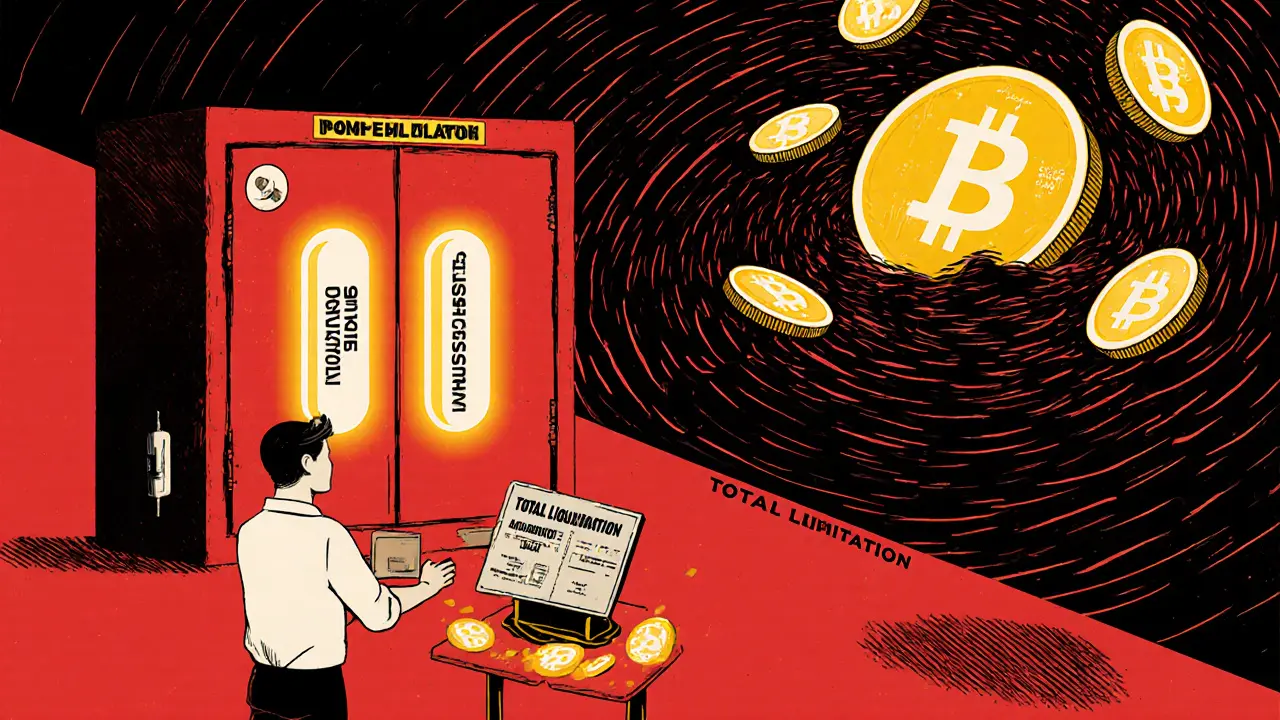
Isolated Margin vs Cross Margin: Which One Should You Use for Crypto Trading?
Isolated margin limits your risk to one trade, while cross margin uses your whole account as collateral. Learn which one fits your trading style and how to avoid costly mistakes in crypto leverage trading.
Read More
Compliance-First Approach to Crypto Trading in Restricted Countries
Learn how to trade cryptocurrency legally in restricted countries by prioritizing compliance over convenience. Understand local laws, use self-custody wallets, and avoid banking risks to stay safe and legitimate.
Read More