Cryptocurrency Mining Ban: What It Means and Where It’s Happening
When a government imposes a cryptocurrency mining ban, a legal restriction that stops individuals or companies from using computing power to validate blockchain transactions. Also known as crypto mining prohibition, it’s not just about electricity—it’s about control, energy use, and financial sovereignty. This isn’t a rumor. Countries like China, Bolivia, and parts of the U.S. have shut down mining operations overnight. In 2021, China’s ban alone wiped out over 40% of global Bitcoin mining power. That didn’t kill Bitcoin. It just moved it—to Kazakhstan, Texas, and even Pakistan, where the government now allocates 2,000 MW of surplus power to mining. The ban didn’t stop mining. It just changed where it happens.
Why do governments do this? It’s rarely about crypto itself. It’s about crypto energy policy, how much electricity mining consumes and who gets to use it. In Iran, where the FATF blacklist cut off banking access, crypto mining became a lifeline for households. But when the grid started failing, the government cracked down—not because Bitcoin was dangerous, but because miners were using state-subsidized power that families needed for heating and cooking. In contrast, countries like Canada let provinces set their own rules. Ontario bans mining in some areas over grid strain, while Alberta encourages it because of cheap natural gas. The same tech, two completely different outcomes.
Then there’s the crypto mining regulations, the rules governments write to control who mines, how they pay taxes, and whether they report their operations. Some bans are total. Others are just heavy-handed taxes. In Russia, mining is legal but requires registration—and you can’t use public electricity. In Kazakhstan, you need a license and must use renewable sources. These aren’t just paperwork. They shape who survives. Small miners with old hardware get crushed. Big players with access to cheap hydro or wind keep going. And the ones who can’t adapt? They vanish—like Bitstar (BITS), a dead coin with no mining activity left. The ban didn’t kill it. The market did.
What happens when mining gets banned? Miners don’t disappear. They migrate. They rebrand. They go underground. Some switch to staking—another way to validate blockchains, but without the power bills. Others move to places like Pakistan, where the state openly supports mining. And in places like Canada, provinces compete to attract miners with tax breaks and low-cost energy. The cryptocurrency mining ban isn’t the end of mining. It’s a relocation strategy. The real question isn’t whether mining is legal—it’s whether you can afford to do it where it’s allowed.
What you’ll find below are real stories from the frontlines: countries that banned mining and regretted it, companies that got shut down overnight, and the hidden networks that keep crypto running despite the rules. No fluff. No theory. Just what’s actually happening—and who’s still standing.
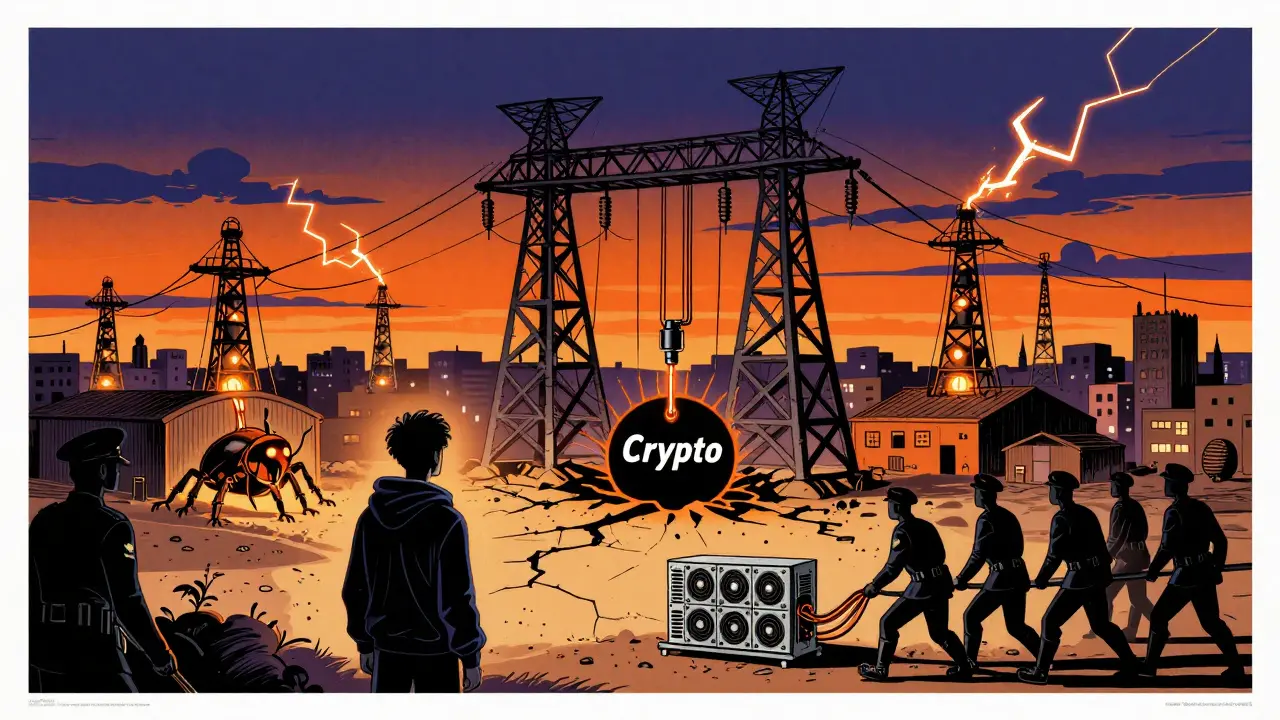
Algeria Bans Cryptocurrency Mining Over Energy Crisis
Algeria banned all cryptocurrency mining and trading in 2025 to protect its overloaded power grid, imposing prison sentences and heavy fines. The move has cut off crypto access, triggered a brain drain, and sparked debate over energy policy and innovation.
Read More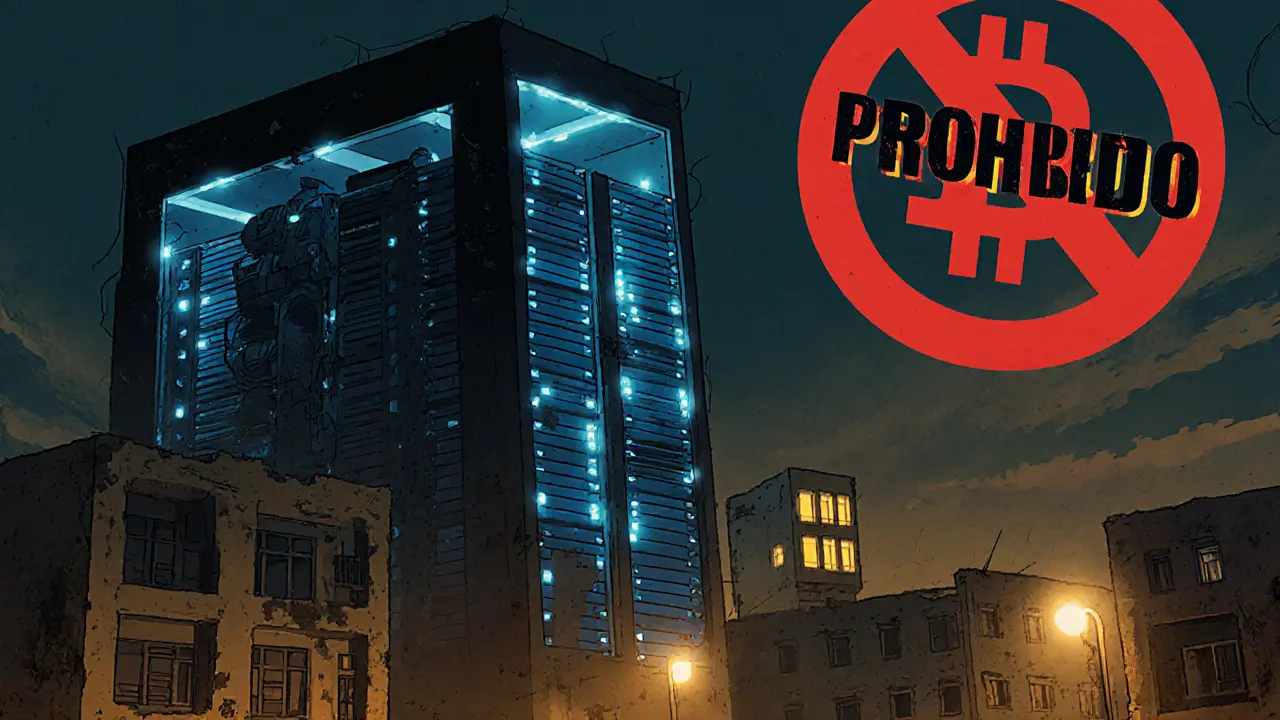
Angola Crypto Mining Ban as of April 2024: What Happened and Why It Matters
Angola banned cryptocurrency mining in April 2024 to protect its failing power grid. The law carries prison sentences up to 12 years and led to a major international crackdown seizing over $37 million in equipment.
Read More