Vauld Crypto Exchange Review: What Happened to Your Funds?
 Jul, 1 2026
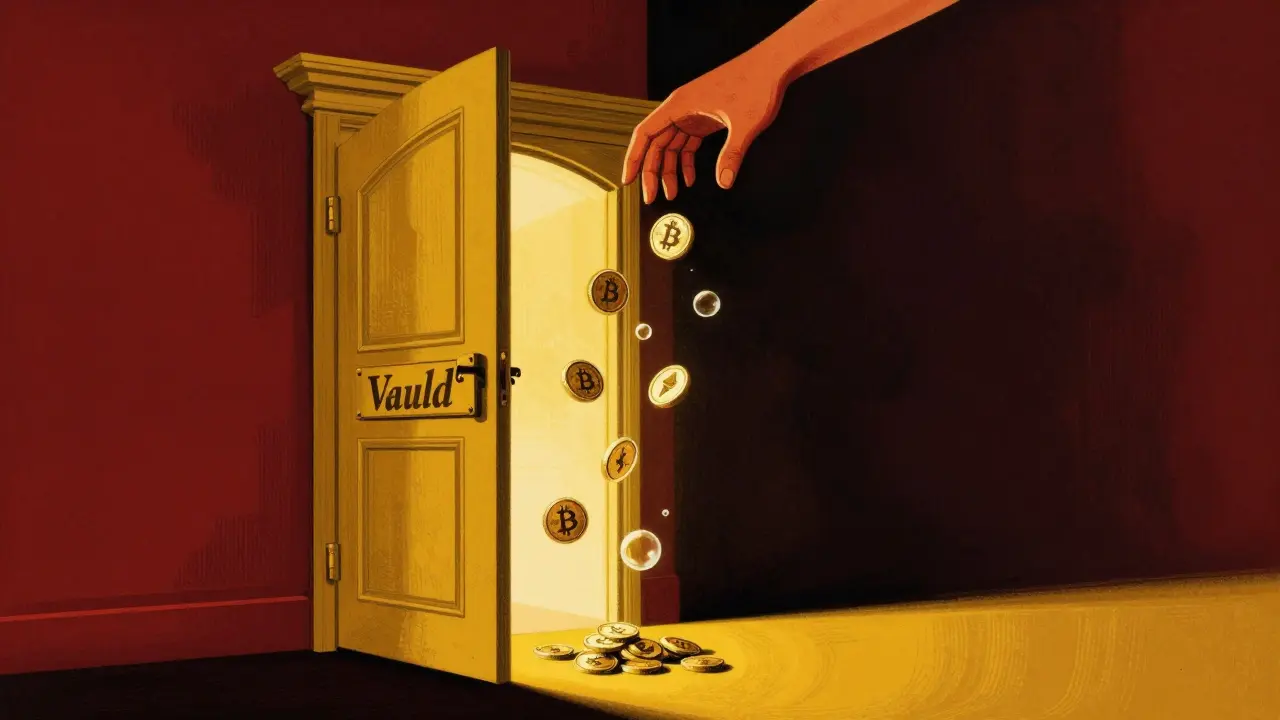
You remember the promise. High interest rates on your Bitcoin and Ethereum, weekly payouts, and a platform that claimed to be as safe as a traditional bank. That was Vauld before everything went wrong. If you are reading this in 2026 looking for a place to park your crypto, stop right here. Vauld is not just "down"; it is dead.
This isn't a standard review of features and fees anymore. This is an autopsy. We need to look at what happened to one of the most promising crypto lending platforms of 2018-2022, why it collapsed under $200 million in user funds, and what this disaster teaches us about where your money actually goes when you click "Earn Interest."
The Rise of the "Crypto Bank"
To understand the fall, you have to see the height. Launched in 2018 as Bank of Hodlers and rebranded to Vauld, the platform positioned itself as a bridge between traditional finance and digital assets. Headquartered in Singapore, with a massive team in India, Vauld raised $2 million from heavy hitters like Pantera Capital and Coinbase Ventures. They had BitGo handling custody. They looked legit.
The value proposition was simple and seductive:
- High Yields: Up to 12% annual interest on deposits, calculated daily and paid weekly.
- Asset Diversity: Support for over 275 cryptocurrencies, far more than competitors like Matrixport (which only supported ~15).
- Low Barriers: Minimum deposit of just $1 worth of tokens.
- Flexible Terms: Fixed deposits with 1, 3, or 6-month locks, but with no penalty for early withdrawal (just reduced interest).
In early 2022, users loved it. Trustpilot ratings were high, and Reddit threads praised the reliability of weekly USDC interest payments. It felt like free money. But in crypto, if something sounds too good to be true, check the fine print on how they generate that yield.
How Vauld Actually Made Money (The Fatal Flaw)
Here is the critical part most users missed. Vauld did not make money primarily from trading fees. Their model was lending. When you deposited Bitcoin or stablecoins, Vauld didn't just hold them in a cold wallet. They lent those assets out to other projects, hedge funds, and traders who needed leverage.
This is known as a "carry trade." Vauld borrowed from you at 12% and lent to others at higher rates, keeping the spread. To manage risk, they required borrowers to provide 150% collateral. For example, to borrow $100, a borrower had to lock up $150 worth of crypto.
On paper, this works. In reality, during a market crash, it fails catastrophically. Here is why:
- Correlation Risk: When the market crashes, all crypto values drop together. The collateral loses value just as fast as the loan.
- Liquidation Lag: Automated systems can't liquidate billions in bad debt instantly. By the time Vauld could sell the collateral, the prices had already bottomed out.
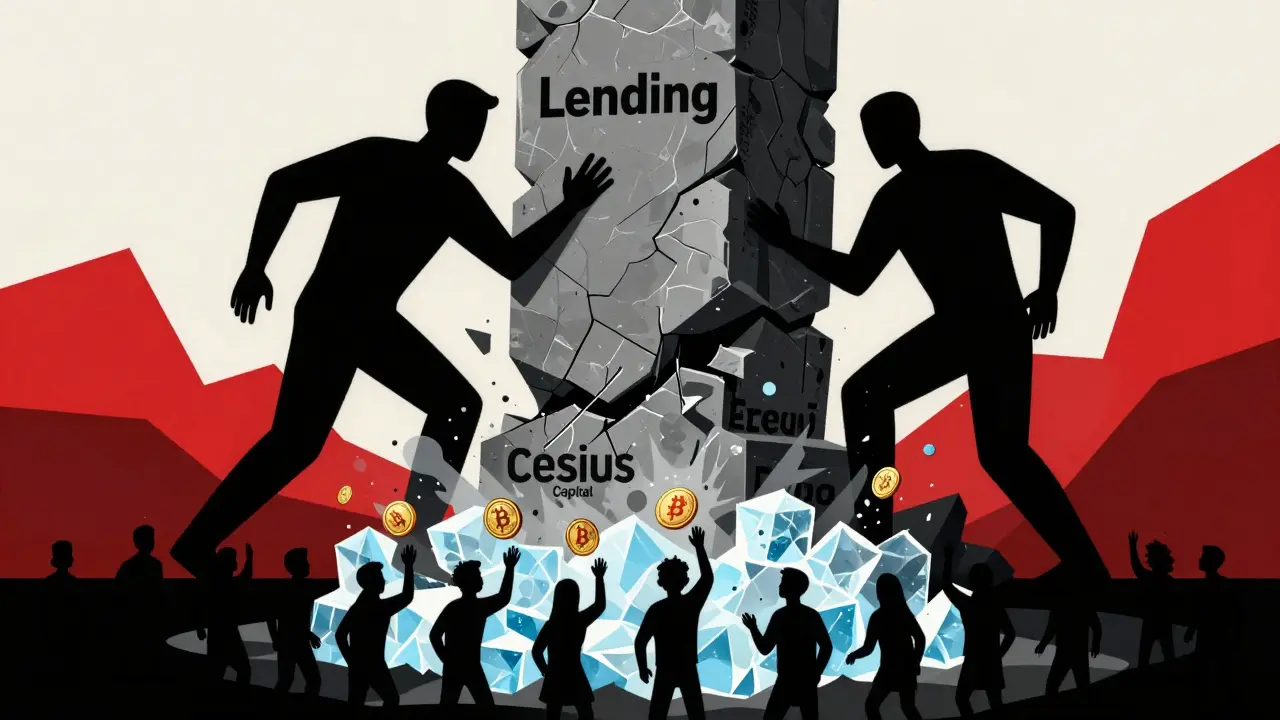
- Counterparty Concentration: Vauld lent heavily to major players like Celsius Network and Three Arrows Capital (TAC). When these giants collapsed, Vauld's loans became worthless overnight.
Dr. Michal Zargham, a blockchain researcher, noted that Vauld's lack of transparency about who they were lending to was fatal. They bet the house on a few big borrowers, and those borrowers defaulted simultaneously.
The Collapse: June-July 2022
The end came quickly. Following the Terra/Luna collapse in May 2022, panic swept through the industry. Users started withdrawing their funds en masse. Vauld found itself facing over $200 million in withdrawal requests while its own assets were tied up in bad loans.
On June 27, 2022, Vauld announced it was halting all operations. Deposits, withdrawals, and trading were frozen. The company cited "extreme market conditions" and promised to resume once things stabilized. They cut staff by 30%, slashed marketing, and reduced executive pay. It wasn't enough.
By July 2022, communication stopped. The website went into maintenance mode. Over 1,200 complaints were filed with India's Cyber Crime Portal. Users who had locked Bitcoin in 3-month fixed deposits suddenly had zero access to their funds. Trustpilot scores plummeted to 1.1/5, with reviews dominated by phrases like "funds frozen" and "no support."
Vauld vs. Competitors: Why Others Survived (Mostly)
Not every lending platform died in 2022. Nexo, for instance, survived. What was the difference? Let's compare Vauld's approach to safer alternatives.
| Feature | Vauld (Defunct) | Nexo (Active) | Binance Earn (Active) |
|---|---|---|---|
| Risk Management | High concentration in risky borrowers (Celsius, TAC) | Diversified portfolio, strict collateral requirements | Proprietary trading desk, diversified revenue |
| Transparency | Low - opaque loan book details | Medium - regular proof-of-reserves updates | Medium - regulated entity disclosures |
| Yield Source | Lending to volatile hedge funds | Lending + proprietary trading | Trading liquidity provision |
| Status (2026) | Collapsed / Frozen | Operating | Operating |
The key takeaway? Platforms that rely solely on lending to other crypto entities without diversification or regulatory oversight are walking on thin ice. Vauld ignored the basic rule of banking: don't lend all your deposits to friends who might go bankrupt.
What Happened to the Money?
If you were a Vauld user, you are likely still waiting. As of mid-2022, blockchain analytics firm Elliptic estimated that less than 30% of the trapped funds would ever be recovered. Legal proceedings in India and the US revealed that over $190 million was stuck in defaulted loans.
Recovery in crypto collapses is notoriously slow and painful. Unlike traditional banks with insurance (like FDIC in the US), crypto exchanges operate in a gray area. There is no government backstop. You are an unsecured creditor. This means you stand in line behind legal fees, administrative costs, and any secured lenders. Most users received nothing. Some received small fractions of their principal years later, if at all.
Lessons for Crypto Investors in 2026
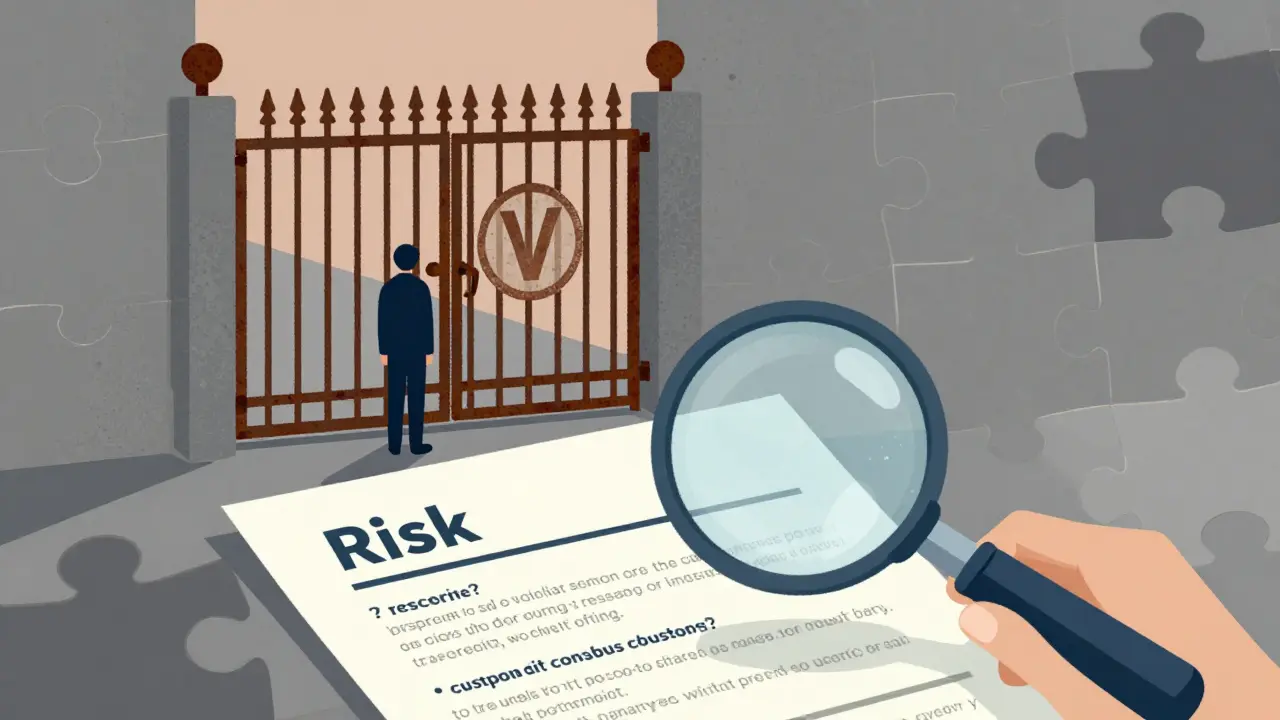
The Vauld story is not ancient history. It is a warning label. Before you put your crypto anywhere promising yields, ask these questions:
- Where does the yield come from? If it's lending to other crypto firms, the risk is high. If it's staking on a secure network (like Ethereum), the risk is lower.
- Who holds the keys? Does the platform use institutional custodians like BitGo or Fireblocks? Even better, do they offer non-custodial options where you keep control of your private keys?
- Is there transparency? Do they publish monthly Proof of Reserves? Can you verify their assets on-chain? If they say "trust us," run away.
- What is the worst-case scenario? If the market drops 50% in a day, can the platform handle mass withdrawals? Or will they freeze your account like Vauld did?
In 2026, the landscape has changed. Regulations are tighter. Platforms like Coinbase and Kraken offer regulated earning products. DeFi protocols allow you to earn yield directly from smart contracts without trusting a central company. The era of "black box" lending platforms like Vauld is over because they proved they cannot survive a winter.
Final Verdict: Avoid Vauld
Do not try to sign up for Vauld. Do not expect your old funds to return soon. The platform is a cautionary tale of what happens when growth metrics matter more than risk management. If you are looking for safe places to store and grow your crypto, stick to regulated exchanges with clear disclosure practices or self-custody wallets. Your peace of mind is worth more than 12% interest.
Is Vauld still operating in 2026?
No. Vauld halted all operations in June 2022 and never resumed. The website is inactive, and customer support is non-existent. It is considered defunct.
Can I recover my funds from Vauld?
Recovery chances are extremely low. Estimates suggest less than 30% of funds might be recovered, and legal processes are slow. Many users have received nothing. Consult a legal expert specializing in crypto asset recovery for specific advice.
Why did Vauld collapse?
Vauld collapsed due to poor risk management. They lent user funds to high-risk borrowers like Celsius and Three Arrows Capital. When these borrowers defaulted during the 2022 market crash, Vauld faced a liquidity crisis and froze withdrawals.
Was Vauld insured?
No. Like most crypto exchanges, Vauld did not have government-backed insurance for user deposits. While they used BitGo for custody, this protects against hacking, not against business failure or bad loans.
What are safe alternatives to Vauld?
Consider regulated exchanges like Coinbase or Kraken for simpler products, or decentralized finance (DeFi) protocols where you retain custody of your assets via hardware wallets. Always verify Proof of Reserves and understand the source of yields.
Ella Collinson
July 2, 2026 AT 01:31Let's deconstruct the systemic failure here: Vauld’s liquidity mismatch was exacerbated by their exposure to highly correlated counterparty risks within the DeFi ecosystem. The assumption that 150% collateralization would suffice during a black swan event demonstrates a fundamental misunderstanding of volatility clustering in crypto markets. Furthermore, the lack of real-time proof-of-reserves mechanisms allowed for opaque balance sheet deterioration before the run on the bank occurred. This isn't just a story about greed; it's a textbook example of principal-agent problems where management incentives were misaligned with depositor safety. The reliance on BitGo for custody provided a false sense of security regarding operational risk, ignoring the broader credit risk inherent in their lending book. Essentially, they leveraged user deposits to fund speculative leverage positions for entities like Celsius, creating a domino effect that was mathematically guaranteed to fail under stress testing conditions.
Ray Arney
July 3, 2026 AT 04:26I guess we really learned nothing from FTX huh. Just sad.
Autumn Story
July 4, 2026 AT 23:39Oh my gosh!! I actually had some BTC there back in 2021!! 😱😱 I remember thinking the weekly payouts were too good to be true but I ignored my gut feeling...!!! It is so heartbreaking to see how many people lost everything because of this!! 😢😢 We really need better regulations now so this doesn't happen again to innocent folks!! Please everyone, keep your keys safe!! 🔐🔐💔
Mark Tuason
July 6, 2026 AT 20:44It is important to note that while Nexo survived, their model also carries significant risks that are often overlooked by retail investors. The comparison table provides a useful overview, but one must consider the regulatory environment in which these platforms operate. Diversification is key, as mentioned, but transparency remains the most critical factor for long-term sustainability in this sector.
Josephine Finlayson
July 7, 2026 AT 16:30I think it is really helpful to look at the lessons learned here,, especially for new investors who might not know the history of 2022!! 😊 It is scary to think about how little protection we had back then,, but hopefully things are safer now with more regulation?? 🙏 Let us all stay informed and cautious moving forward!! 💚